Bahrain's effort to pass a resolution amended five times to ensure freedom of navigation through the Strait of Hormuz has failed, following vetoes from Russia and China. This development occurs during a sensitive period as the United States nears a deadline to reach an agreement with Iran.
The resolution aimed to enhance security in the Strait of Hormuz, one of the world's most vital waterways, through which a significant portion of global oil exports passes. However, the vetoes by Russia and China reflect the escalating geopolitical tensions in the region.
Details of the Event
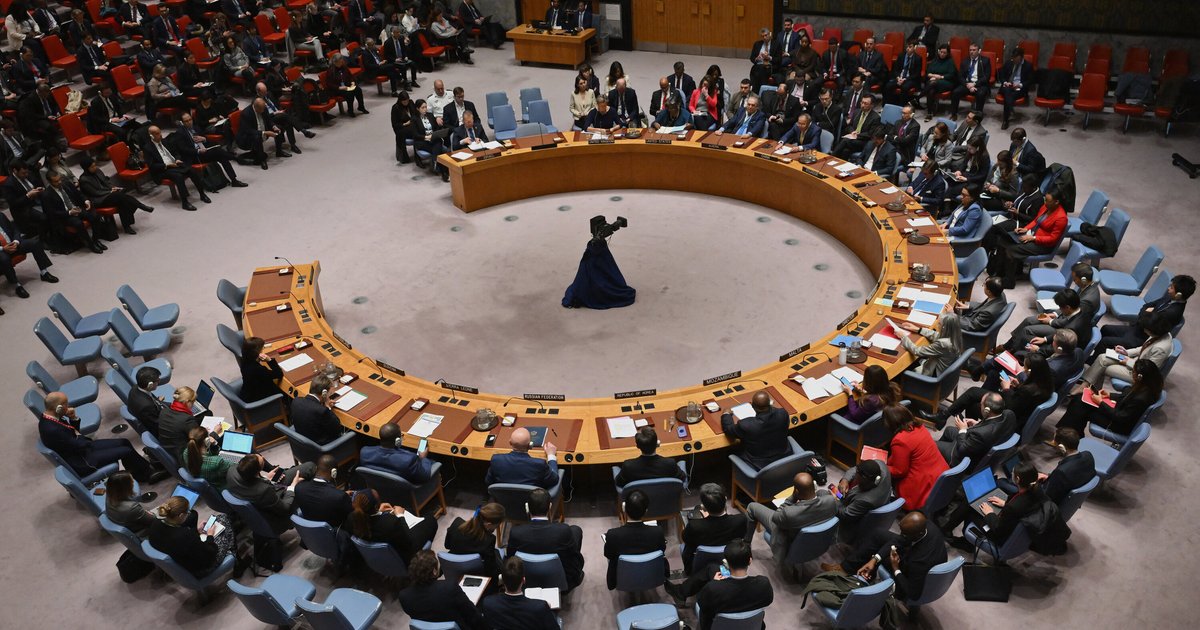
During a session of the United Nations Security Council, Bahrain presented its resolution seeking to ensure freedom of navigation in the Strait of Hormuz, but it faced objections from Russia and China, leading to its failure. This decision comes amid rising tensions between the United States and Iran, as Washington seeks to negotiate a nuclear deal with Tehran.
This move by Russia and China is seen as support for Iran, as both countries aim to strengthen their ties with Tehran amid Western pressures. Observers have noted that this veto illustrates the divergence of positions among major powers in the Security Council.
Background & Context
The Strait of Hormuz is a crucial transit point for oil and natural gas, with approximately 20% of total global oil exports passing through it. Historically, the strait has witnessed numerous tensions, particularly amid regional conflicts and external interventions.
In recent years, concerns over potential conflicts in the region have escalated, prompting countries to take measures to protect their interests. Bahrain, considered a U.S. ally, seeks to enhance security in the strait through this resolution.
Impact & Consequences
The veto by Russia and China could exacerbate tensions in the region, as the United States and its allies may feel cornered in a confrontation with major powers. This situation could impact the stability of global oil markets, potentially leading to price increases if tensions escalate.
Furthermore, this decision may reflect a shift in regional alliances, as Iran seeks to bolster its relationships with Russia and China as part of its strategy to counter Western pressures.
Regional Significance
These developments are of significant importance to the Arab region, as any escalation in the Strait of Hormuz could affect all Gulf states. Arab countries, heavily reliant on oil exports, may face economic challenges if new tensions arise.
Additionally, these events may lead to a reassessment of regional security strategies, as Arab nations may seek to enhance cooperation among themselves to address common challenges.
In conclusion, the situation in the Strait of Hormuz remains under scrutiny, with the world closely monitoring developments in the region amid increasing tensions between major powers.