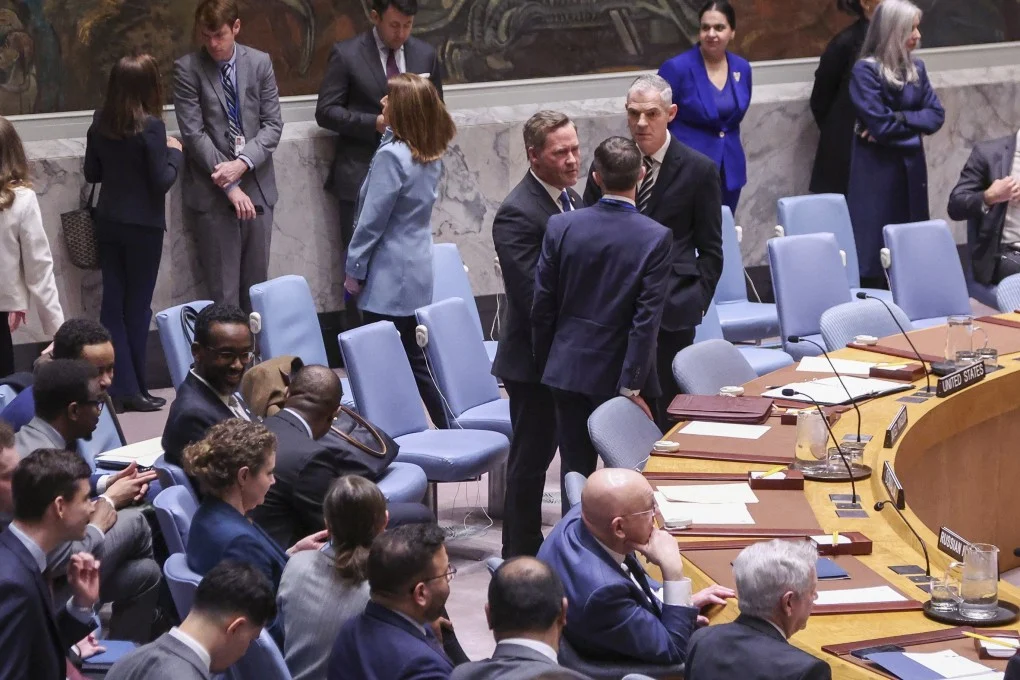
On Tuesday, Russia and China exercised their veto against a UN Security Council resolution aimed at reopening the Strait of Hormuz, which is considered one of the most important waterways in the world. This vote came after the resolution text was modified several times in an attempt to persuade both countries to abstain, but those efforts were unsuccessful.
The vote saw support from 11 countries against opposition from two, with Pakistan and Colombia abstaining. This occurred just hours after U.S. President Donald Trump threatened that "a whole civilization will end tonight" if Iran did not open the strait and reach an agreement before the deadline he set at 8 PM.
Details of the Resolution
The Strait of Hormuz is a vital transit point for approximately 20% of the world's oil, making it a focal point for geopolitical conflicts. Tensions in the region have escalated in recent months, with the United States accusing Iran of attempting to control strategic waterways. Western nations are striving to ensure freedom of navigation in the strait, while Iran rejects any foreign interference in its affairs.
The resolution that was voted on was amended multiple times in an effort to appease Russia and China, but they ultimately chose to exercise their veto, reflecting a clear division within the Security Council on how to address the Iranian crisis. This vote also indicates the increasing influence of Russia and China on the international stage, particularly regarding issues related to the Middle East.
Background & Context
Historically, the Strait of Hormuz has been the scene of numerous political and military crises. In 1980, during the Iran-Iraq War, the strait witnessed mutual attacks between Iranian and Iraqi forces. In recent years, there has been a rise in attacks on oil tankers, further escalating tensions between Iran and Western nations.
In recent years, the United States has sought to bolster its military presence in the region, provoking strong reactions from Iran. These dynamics reflect the broader conflict between major powers in the world, as both Russia and China aim to enhance their influence in the Middle East.
Impact & Consequences
The use of the veto by Russia and China may exacerbate conditions in the region, as Iran may feel it has greater support from these two countries in the face of Western pressures. This situation could complicate peace efforts and strengthen Iran's position in future negotiations.
Moreover, this vote could impact global oil prices, as any escalation of tensions in the Strait of Hormuz could lead to significant price increases. Oil-importing countries, including Arab nations, may be directly affected by these developments.
Regional Significance
The veto reflects a growing international divide over geopolitical issues, which affects stability in the Middle East. The implications of this decision extend beyond immediate regional tensions, potentially reshaping alliances and influencing future diplomatic engagements.
In conclusion, the actions taken by Russia and China signal a shift in the balance of power within international relations, particularly concerning the critical issues surrounding the Strait of Hormuz.