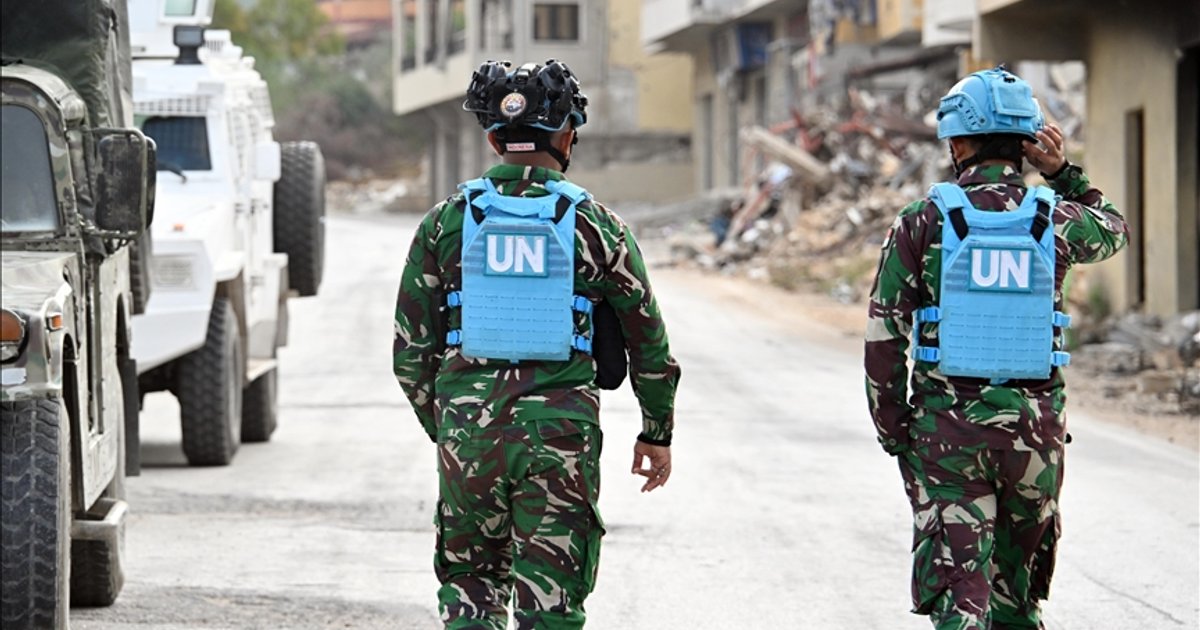
Russia has strongly condemned the attacks targeting UN peacekeeping forces, emphasizing the need for a comprehensive investigation into the alleged assault on the RT crew in Lebanon. These statements come at a time when the region is experiencing increasing tensions, raising concerns about the stability of security conditions in Lebanon.
In an official statement, the Russian Foreign Ministry expressed deep concern over the attacks on peacekeeping forces, considering these actions to be contrary to international efforts aimed at maintaining peace and security in the region. The ministry also called for accountability for those responsible for these attacks, highlighting the importance of protecting journalists and media workers.
Details of the Incident
The alleged attack on the RT crew occurred in Lebanon, where the crew was covering ongoing events in the region. This incident has sparked widespread reactions from international media, which have demanded the protection of journalists and ensuring their safety while performing their professional duties. Many observers have noted that this attack could have negative implications for press freedom in the region.
These events come amid escalating tensions between Israel and Hezbollah, where the Lebanese-Israeli border has witnessed numerous clashes and reciprocal attacks. These conditions have heightened fears of a broader conflict in the region, placing UN peacekeeping forces in a precarious position.
Context and Background
Historically, Lebanon has been a theater for numerous conflicts and disputes, having experienced multiple wars since the 1970s. UN peacekeeping forces have been deployed in Lebanon since 1978 with the aim of maintaining security and stability in the region. However, the ongoing tensions between various parties in Lebanon, including the conflict with Israel, make it difficult to achieve lasting peace.
In recent years, tensions between Israel and Hezbollah have intensified, with the border between the two countries witnessing several deadly incidents. These conditions necessitate enhanced international efforts to protect civilians and ensure the safety of journalists working in conflict areas.
Consequences and Impact
Attacks on peacekeeping forces and assaults on journalists could exacerbate security conditions in Lebanon, threatening peace and stability efforts in the region. Additionally, these incidents may negatively affect Lebanon's image in the international community, where the country is viewed as an unsafe area for journalists and correspondents.
Moreover, the continuation of these attacks could increase pressure on the international community to take stricter actions against the parties responsible for destabilizing the region. The area may witness new diplomatic moves aimed at addressing these issues and ensuring civilian safety.
Impact on the Arab Region
The ongoing events in Lebanon are part of a larger picture that includes many Arab countries suffering from conflicts and tensions. The targeting of journalists and peacekeeping forces reflects the significant challenges facing the region in its pursuit of peace and stability. These events also raise questions about the role of the international community in protecting human rights and ensuring press freedom.
In conclusion, these events reflect the urgent need to strengthen international efforts to protect civilians and journalists in conflict areas. Achieving peace in Lebanon requires effective international cooperation and strong political will from all parties involved.