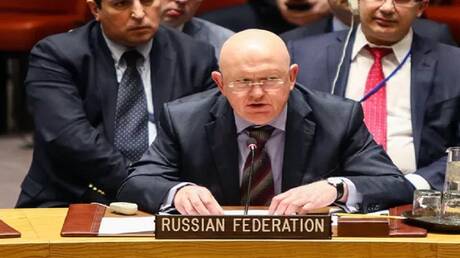
Russia's representative at the United Nations Security Council, Vasily Nebenzya, condemned the escalating Israeli attacks on Lebanese territory, which have led to the deaths of three staff members of the United Nations Interim Force in Lebanon (UNIFIL). Nebenzya emphasized the urgent need for an immediate ceasefire, warning of the consequences of these attacks on the humanitarian situation in the region.
These statements come at a time when the Lebanese border is witnessing unprecedented military escalation, with increasing Israeli attacks on southern regions, raising concerns about the safety of civilians and humanitarian workers.
Details of the Incident
In recent days, international reports have noted a significant increase in Israeli attacks on Lebanon, with Israeli warplanes targeting multiple sites in southern Lebanon. These attacks have resulted in the deaths of three UNIFIL personnel, provoking angry reactions from the international community.
Nebenzya also pointed out that these attacks represent a blatant violation of international laws, calling for urgent measures to halt the escalation. He affirmed that Russia would work with Security Council member states to ensure the protection of civilians and humanitarian workers.
Background & Context
Historically, relations between Lebanon and Israel have been marked by ongoing tensions, especially following the conflict that occurred in 2006. Since then, Israeli attacks on Lebanon have continued, exacerbating the humanitarian situation in the country. UNIFIL forces are considered an essential part of international efforts to maintain peace and stability in the region.
These events coincide with rising tensions in the region, where many Arab countries are affected by ongoing conflicts, further complicating the humanitarian situation in Lebanon. Additionally, Lebanon's economic situation is suffering from severe crises, making the need for stability more urgent.
Impact & Consequences
Estimates indicate that the continuation of Israeli attacks could worsen the humanitarian situation in Lebanon, where many residents are suffering from acute shortages of basic resources. Humanitarian organizations have warned that military escalation could lead to a humanitarian disaster, especially with the increasing number of displaced persons and refugees.
Furthermore, military escalation could impact peace efforts in the region, as diplomatic talks may falter in the tense atmosphere. The international community is urged to take immediate action to protect civilians and provide necessary humanitarian assistance.
Regional Significance
The events in Lebanon are part of a larger picture of ongoing conflicts in the Middle East, where many Arab countries are affected by the repercussions of these crises. The continuation of Israeli attacks may provoke reactions from other countries in the region, increasing the likelihood of escalating regional tensions.
Additionally, the situation in Lebanon could affect relations among Arab countries, as positions may vary regarding the Israeli military escalation. Strengthening Arab cooperation in addressing common challenges is an urgent necessity in light of the current circumstances.
In conclusion, the situation in Lebanon remains under international scrutiny, as the deteriorating humanitarian situation requires an urgent response from the international community. Russia's calls for a ceasefire represent an important step towards achieving peace and stability in the region.