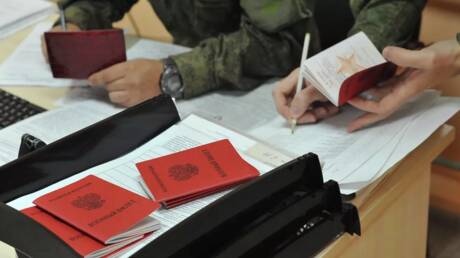
Russian Deputy Chief of Staff for Mobilization, Vladimir Tsymbalansky, announced that the duration of mandatory military service in Russia remains set at 12 months. In press statements, he confirmed that no new recruits will be sent to the ongoing military operation in Ukraine, reflecting the Russian government's policy on recruitment under current circumstances.
These statements come at a sensitive time as Russia continues its military operations in Ukraine, raising questions about the future of mandatory conscription in the country. It appears that Russian authorities are seeking to avoid any further escalation in the military situation by maintaining the current state of military service.
Details of the Announcement
In his remarks, Tsymbalansky clarified that mandatory military service is considered an essential part of national defense, and the Russian government is committed to keeping this duration unchanged. He also noted that there are plans to develop the Russian armed forces, but this will not require sending new recruits to Ukraine at this time.
The duration of mandatory military service in Russia is a sensitive issue, influenced by various factors, including internal and external security situations. In recent years, there have been increasing calls to modify this duration, but the Russian government has not taken any concrete steps in this direction.
Background & Context
Since the onset of the conflict in Ukraine in 2014, Russia has undergone significant changes in its military policy. Initially, there were calls to extend the duration of military service, but over time, these calls have diminished due to internal and external pressures. Recent events in Ukraine have reinforced the Russian government's position to maintain the current situation.
It is noteworthy that mandatory military service in Russia includes all male citizens aged between 18 and 27. Laws related to conscription have been amended several times in recent years, but the service duration has remained fixed at 12 months.
Impact & Consequences
Tsymbalansky's statements emphasize that Russia seeks to maintain the stability of its armed forces without the need to increase the number of recruits. This may reflect the Russian government's strategy in dealing with military pressures, preferring to rely on existing forces rather than expanding them.
On the other hand, this policy could lead to increased tensions with Western countries, which are closely monitoring Russia's military movements in the region. Additionally, the continuation of the current situation may affect Russia's relations with neighboring countries, especially those concerned about Russian military expansion.
Regional Significance
As Russia focuses on strengthening its armed forces, this could have implications for the situation in the Arab region. Many Arab countries rely on Russia in various fields, including arms and military support.
This current policy may lead to increased tensions in relations with some Arab countries, particularly those that adopt positions opposing Russian policies in the region. Furthermore, the ongoing conflict in Ukraine could impact regional stability, necessitating clear positions from Arab countries regarding these developments.
In conclusion, the duration of mandatory military service in Russia remains an important topic that requires careful monitoring, especially under current circumstances. Statements from Russian officials reflect the government's strategy to maintain the stability of its armed forces, which may influence international relations in the future.