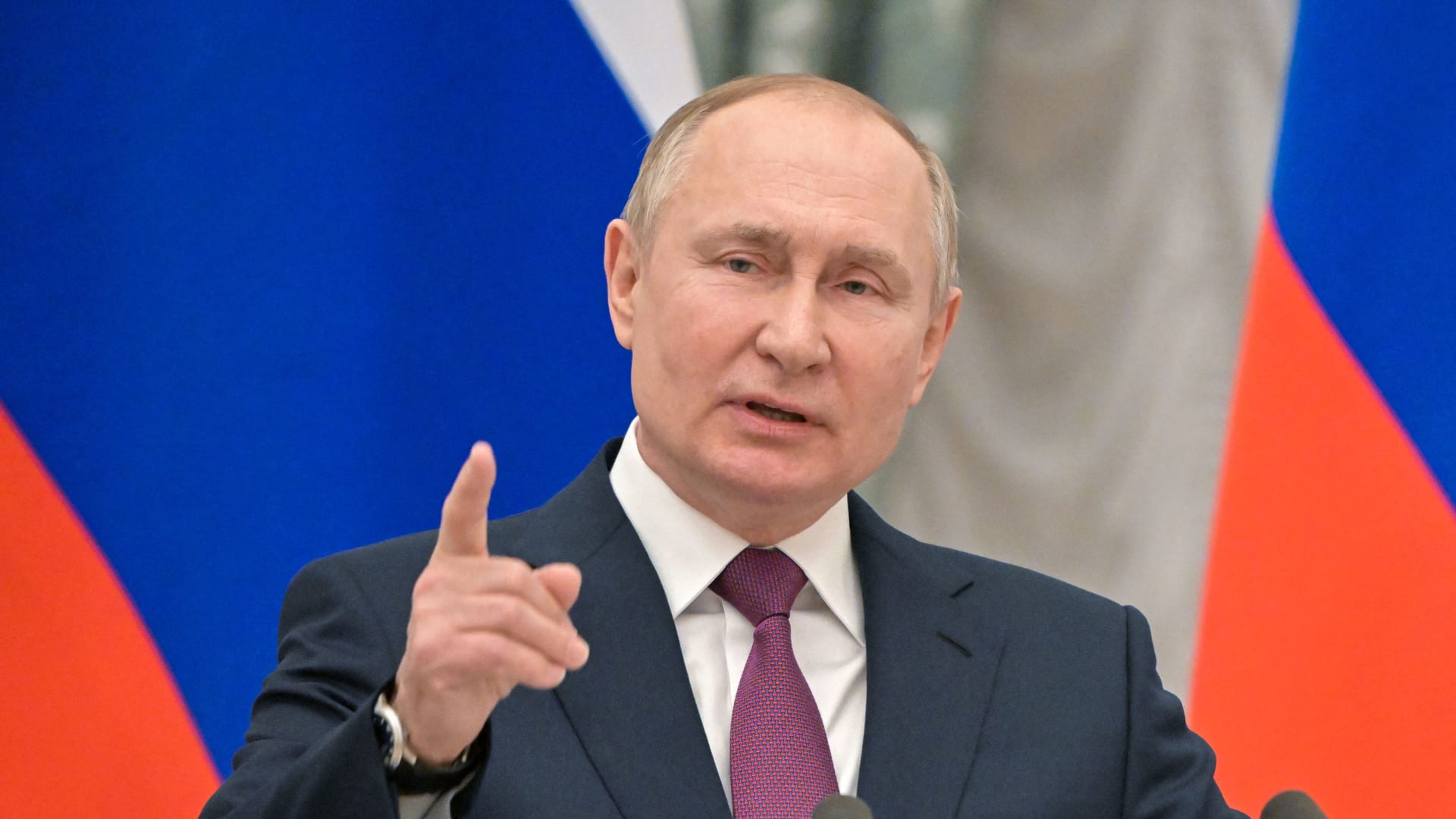
Russian Foreign Minister Sergueï Lavrov stated in an exclusive interview with France 2 that President Vladimir Putin remains open to dialogue with French President Emmanuel Macron. These remarks come at a time when relations between Russia and the West are increasingly strained, particularly due to the ongoing war in Ukraine.
In his remarks, Lavrov indicated that Putin welcomes any initiative for dialogue, reflecting Moscow's desire to find diplomatic solutions to current crises. These statements are made in a sensitive context, as international concern grows over military escalation in the region.
Details of the Event
During the interview, Lavrov emphasized that Russia does not seek to escalate the conflict but aims to find ways to communicate with Western countries. He clarified that Putin is ready to listen to Macron's proposals, which could pave the way for new discussions that may help ease tensions.
These statements follow a series of events that have seen military escalation in Ukraine, where clashes between Russian and Ukrainian forces have intensified. These developments have raised alarm in the international community, prompting many nations to call for dialogue and de-escalation.
Background & Context
Since the beginning of the conflict in Ukraine in 2014, Russian-Western relations have deteriorated significantly. Recent events have led to heightened tensions, with Western countries accusing Russia of increasing its military presence on the Ukrainian border. In response, Moscow denies these accusations and asserts that it is acting within the framework of defending its national interests.
Historically, there have been numerous attempts at dialogue between Russia and the West, but most have failed due to mutual distrust and conflicting interests. However, Lavrov's statements may indicate a new possibility for dialogue, particularly in light of the economic and political pressures facing Russia.
Impact & Consequences
Lavrov's statements could lead to a reduction in tensions in the region if properly leveraged by the involved parties. Dialogue could help avoid a new military escalation, which would have a positive impact on regional and international security.
However, the question remains about the seriousness of Russia's engagement in genuine dialogue. If military actions continue, the situation may worsen, leading to negative repercussions on the global economy, particularly in energy and food sectors.
Regional Significance
The situation in Ukraine is of significant importance to the Arab region, as any escalation could affect energy prices that many Arab countries rely on. Additionally, stability in the European region has a direct impact on regional security in the Middle East.
Moreover, any successful diplomatic moves could enhance peace prospects in other parts of the world, including Arab conflicts. Therefore, monitoring the developments of dialogue between Russia and France will be crucial for Arab nations.