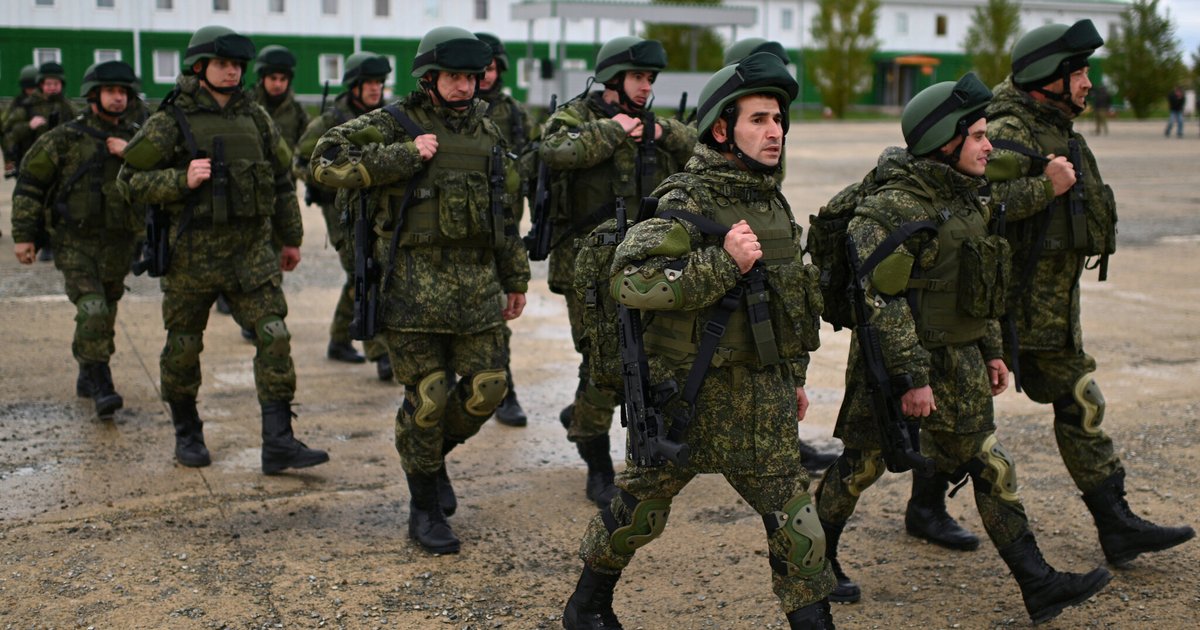
Russia has declared the defeat of its aggressive policy in Ukraine, with official sources confirming that the military operations launched by Russian forces did not achieve the set objectives. This announcement comes at a time when the world is witnessing escalating political and military tensions, raising questions about the future of the conflict in the region.
Reports indicate that Ukrainian forces have made significant advances in several areas, leading to a reassessment of Russian strategies. These developments reflect the substantial challenges Moscow faces in its quest to control Ukrainian territories.
Details of the Event
In a related context, military sources reported that Ukrainian forces have regained control over several areas that were under Russian occupation. This progress follows months of intense battles, during which Ukraine employed new strategies to confront Russian forces.
Experts have noted that Western support for Ukraine, including advanced weaponry and military aid, has played a crucial role in enhancing the capabilities of the Ukrainian army. These combined factors have led to a shift in the balance of power in the conflict.
Background & Context
The roots of the conflict in Ukraine date back to 2014 when Russia annexed Crimea, leading to heightened tensions between Moscow and the West. Since then, the country has experienced an ongoing struggle between Ukrainian forces and Russian-backed separatists.
Over the years, Russia has attempted to impose its control over vast areas of Ukraine, but it has faced fierce resistance from the Ukrainian army. These dynamics have exacerbated the humanitarian situation in the region, with civilians suffering from the effects of the ongoing conflict.
Impact & Consequences
The Russian defeat in Ukraine could significantly impact Moscow's domestic and foreign policy. The failure of the military strategy may lead to increased pressure on the Russian government from both the opposition and the international community.
Moreover, this defeat could strengthen Ukraine's position in future negotiations, potentially opening the door to diplomatic solutions to the conflict. These developments may also affect Russia's relations with Western countries, which could see further sanctions and political pressure.
Regional Significance
Considering the potential impact on the Arab region, the escalation of tensions in Ukraine may affect energy prices and global markets. Arab countries that rely on oil may experience price fluctuations as a result of these events.
Additionally, the conflict in Ukraine could provide an opportunity for countries in the region to strengthen their relationships with major powers, whether Russia or the West, which may influence political balances in the area.
In conclusion, the recent developments in Ukraine reflect the significant challenges facing Russia and raise questions about the future of the conflict and its impact on the international stage.