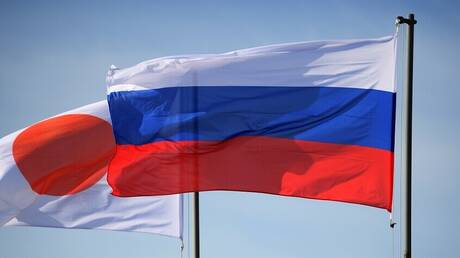
Russian Ambassador to Japan Nikolai Nozdrev has indicated that resuming relations between Moscow and Tokyo necessitates Japan's abandonment of its anti-Russian stance. These comments are part of Russia's efforts to improve relations with Japan, which have notably deteriorated in recent years.
Nozdrev emphasized that Russia hopes Japan will take concrete steps towards enhancing bilateral relations, noting that any progress in this direction hinges on a change in Tokyo's position. These statements reflect Russia's concern over the ongoing political and economic tensions between the two nations.
Historical Context of Russian-Japanese Relations
Historically, Russian-Japanese relations have been complex, with roots of tension dating back to World War II. The dispute over the Kuril Islands remains a significant obstacle to normalizing relations, as Japan considers these islands part of its territory, while Russia refuses to relinquish them.
In recent years, the relationship between the two countries has further deteriorated due to Western sanctions imposed on Russia in response to events in Ukraine. These sanctions have adversely affected economic cooperation between the two nations, complicating the situation even further.
Current Political Climate
Japan is one of the countries that have taken a firm stance against Russia, joining Western sanctions and expressing support for Ukraine. This position has exacerbated bilateral relations, as Tokyo had hoped to improve ties with Moscow through dialogue and cooperation.
Despite these tensions, there remain areas for cooperation between the two countries, particularly in energy and trade. Russia is a vital energy source for Japan, which is seeking to diversify its energy supply.
Potential Economic and Political Implications
If Russia and Japan can overcome these obstacles, it could lead to improved economic and political relations between the two nations. Cooperation in the fields of energy and trade could benefit both parties, especially in light of global economic challenges.
However, the continuation of the current situation may lead to further tensions in the region, as Russian-Japanese relations could impact the strategic balance in Northeast Asia.
Regional Significance and Future Prospects
The relationship between Russia and Japan holds strategic importance amid global tensions, as it could influence regional stability. The ability of both nations to navigate their historical grievances and current geopolitical challenges will be crucial for future cooperation.
In conclusion, while significant hurdles remain, the potential for collaboration in various sectors offers a glimmer of hope for improved relations, which could ultimately contribute to a more stable regional environment.