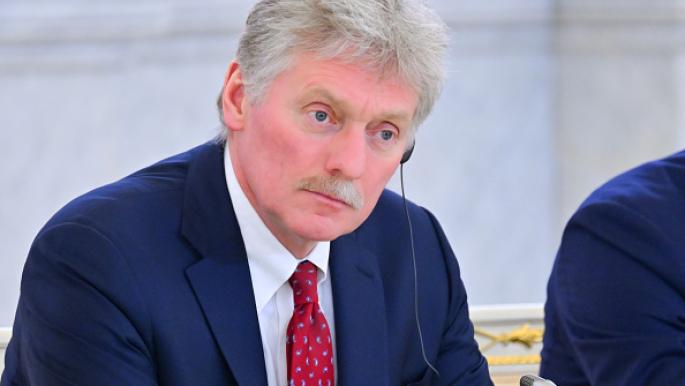
Russia has categorically denied the news regarding the shipment of drones to Iran, coinciding with the escalating conflict in the region. Moscow has expressed its desire to resume negotiations with Ukraine, stressing the importance of dialogue to resolve ongoing disputes.
These statements come amid increasing tensions between Russia and the West, with growing concerns about the use of drones in regional conflicts. Reports of military cooperation between Moscow and Tehran have raised alarms among many countries, particularly given the current circumstances in Ukraine.
Details of the Event
In an official statement, the Russian Foreign Ministry confirmed that reports of sending drones to Iran do not reflect reality, indicating that this information is based on unreliable sources. It clarified that Russia is focused on strengthening relations with other countries, including the United States, having sent a delegation to Washington in an attempt to revive deteriorating bilateral relations.
This step is part of Moscow's strategy to rebuild its international relations, especially under the economic and political pressures it faces due to sanctions imposed as a result of the Ukrainian conflict. Russia is also seeking to enhance its position on the international stage by strengthening cooperation with traditional allies such as Iran.
Background & Context
Historically, relations between Russia and Iran have experienced fluctuations, with roots dating back to the Cold War era. As tensions in the Middle East have escalated, the two countries have begun to enhance military and economic cooperation. However, recent reports about the shipment of drones have raised fears of escalating conflict in the region, particularly given the tense situation in Ukraine.
Russia aims to use its relations with Iran as a means to bolster its influence in the region, especially in light of the challenges it faces from the West. Simultaneously, Iran is attempting to leverage these relations to enhance its military capabilities, further complicating the regional landscape.
Impact & Consequences
Russian statements could lead to increased tensions in international relations, particularly between Russia and the United States. The assertion of not sending drones to Iran may be an attempt by Moscow to alleviate pressure on itself, but at the same time, it could raise suspicions about its true intentions in the region.
Moreover, continued cooperation between Russia and Iran could escalate the conflict in Ukraine, as Iran might benefit from Russian military technology to enhance its defensive capabilities. This could complicate peace efforts in the region and affect the stability of neighboring countries.
Regional Significance
The Russian-Iranian relationship is a source of concern for many Arab countries, which fear the rise of Iranian influence in the region. Military cooperation between Moscow and Tehran could enhance Iran's capabilities in regional conflicts, increasing tensions in areas such as Iraq and Syria.
Additionally, Russian statements may impact Arab countries' positions on the Ukrainian conflict, as these nations may find themselves compelled to deal with the ramifications of this conflict on their national security. Under these circumstances, dialogue and cooperation between Arab countries and Russia remain essential to avoid any potential escalation.
In conclusion, the Russian-Iranian relationship remains a complex subject that requires close monitoring, especially under current conditions. Recent Russian statements indicate Moscow's desire to improve its international relations, but at the same time reflect the challenges it faces in the context of regional and international conflicts.