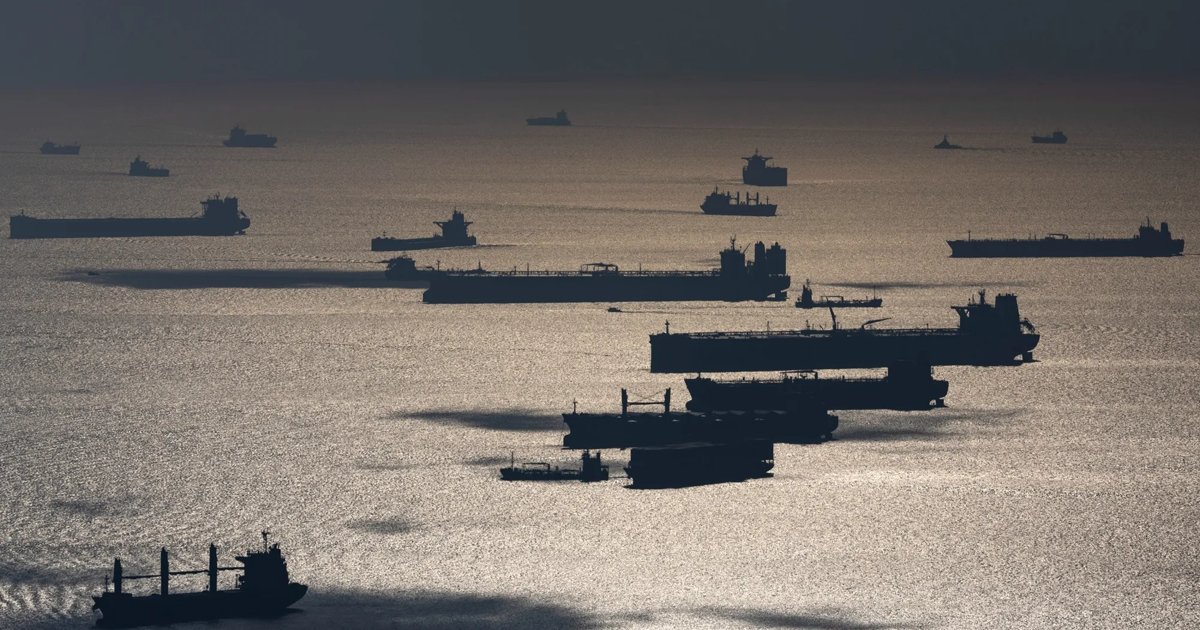
The liquefied natural gas tanker Mercury, which has changed its flag to Russian, has started loading fuel shipments from a project that is under U.S. sanctions. This move represents the latest action from Moscow to expand its 'shadow fleet', aimed at circumventing Western restrictions on its exports.
According to ship tracking data compiled by Kepler, the Mercury docked next to the floating storage unit Sam, which is also under U.S. sanctions, near Murmansk in western Russia. This unit is used to store LNG coming from the Arctic LNG 2 project, which has been blacklisted.
Details of the Event
This step highlights Russia's efforts to capitalize on the increasing demand for LNG in Asia, at a time when the Strait of Hormuz is experiencing a crunch in about one-fifth of global supplies, leading to rising fuel prices. Reports indicate that Russian shipments are being offered at significant discounts to attract energy-hungry buyers.
Russia faces significant challenges in increasing its LNG exports in recent years due to U.S. and European sanctions, which have negatively impacted its production at the Arctic LNG 2 project. The expected increase in the number of vessels within the shadow fleet is anticipated to bolster Moscow's exports to Asian markets.
Background & Context
Historically, Russia has seen remarkable development in the natural gas sector, being considered one of the largest exporters in the world. However, Western sanctions imposed after the Ukrainian conflict have curtailed its ability to access traditional markets. In this context, Moscow is seeking alternative ways to export gas, reflecting its strategy to adapt to changing global conditions.
The tankers used in the shadow fleet are often older, as is the case with the Mercury, which possesses characteristics that make it less competitive compared to modern tankers. However, the change of ownership to an unknown company like Celtic Maritime and Trading through unclear intermediaries reflects the complexities of the current market.
Impact & Consequences
Russia anticipates that these steps will lead to an increase in its LNG exports to Asia, where demand is continuously rising. This trend could help alleviate the economic pressures the country faces due to sanctions. Additionally, an increase in Russian exports may alter global market dynamics, especially amid rising energy prices.
At the same time, these moves could exacerbate geopolitical tensions, as Western countries seek to counter Russian influence in energy markets. Sanctions and pressure measures on Moscow are likely to continue, making it difficult for Russia to achieve its export goals.
Regional Significance
The Middle East, particularly the Gulf states, is a key player in the natural gas market. As Russia continues to expand its gas transport fleet, Arab producers may face new challenges in maintaining their market shares. Furthermore, rising gas prices could impact the economies of energy-importing Arab nations.
In conclusion, Russia's steps to expand its gas transport fleet represent a direct response to the challenges it faces under Western sanctions. While Moscow seeks to enhance its presence in Asian markets, the question remains about how this will affect the balance of power in the global energy market.