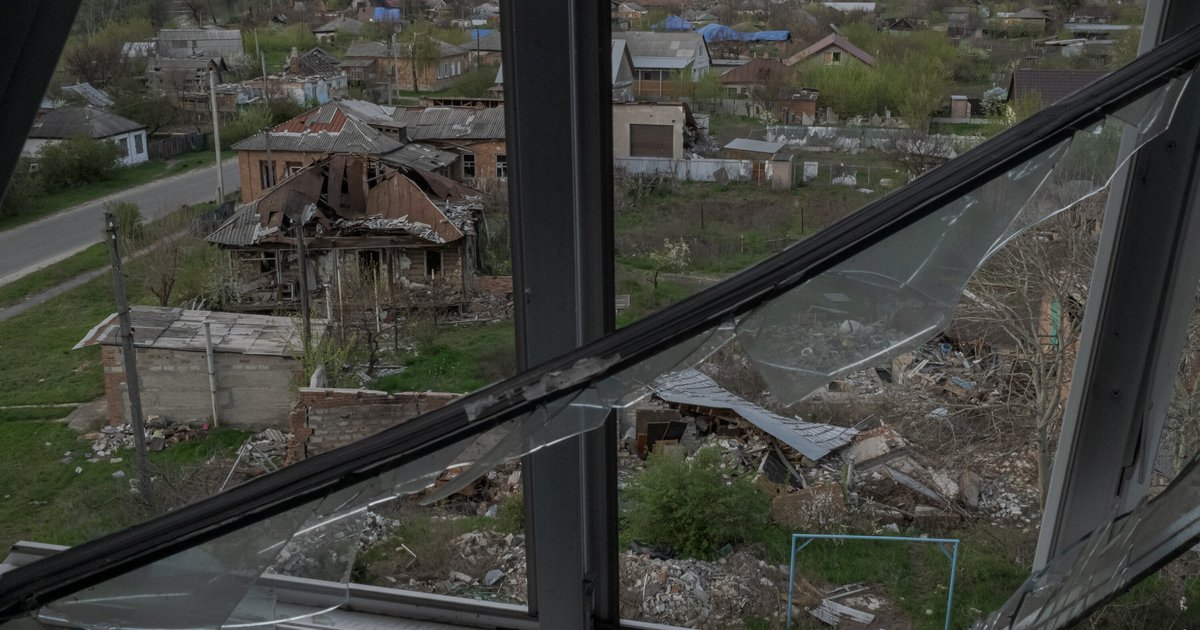
As the military conflict in Ukraine intensifies, Russia is anticipated to leverage the return of vegetation in spring to bolster its military capabilities. This tactic is part of a broader strategy aimed at protecting Russian forces from aerial reconnaissance conducted by drones.
With the onset of spring, vegetation begins to flourish, providing new opportunities for Russian troops to use the terrain to their advantage. This tactic could enhance their ability to move without being easily detected by drones, which are widely used in the current conflict.
Details of the Situation
Reports indicate that Russia has already begun reorganizing its forces in certain areas, taking advantage of the return of plant life. This could give Russian troops a tactical advantage, allowing them to operate in previously exposed regions, making it more challenging for Ukrainian forces to target them.
Concerns are growing that this tactic may lead to an escalation of the conflict, as Russian forces could be deployed more aggressively in areas that were previously considered safe. This development illustrates how nature can play a pivotal role in modern military conflicts.
Background & Context
Since the onset of the conflict in Ukraine in 2014, the region has witnessed an increase in the use of military technology, including drones. This conflict stands as one of the most prominent examples of how modern technology influences war strategies. As spring arrives, Russia is reassessing its military strategies, capitalizing on environmental conditions.
Historically, armies throughout the ages have utilized nature to their advantage, whether by exploiting terrain or weather conditions. In this context, the use of vegetation is part of a long-standing military tradition, where military leaders always seek to leverage anything that can provide them with an edge in battle.
Impact & Consequences
Russia's exploitation of vegetation could lead to significant changes in the dynamics of the conflict. If Russian forces successfully employ this tactic effectively, it could increase pressure on Ukrainian troops, potentially altering the course of the conflict dramatically.
Moreover, these developments could impact the international community, as pressure will mount on Western nations to provide greater support to Ukraine. This is crucial in the context of international relations, where major powers are competing for influence in the region.
Regional Significance
These developments highlight the importance of monitoring international conflicts and their impact on the Arab region. The conflict in Ukraine is not merely a regional struggle but has global ramifications that could affect food and economic security in Arab countries.
Amid increasing crises, Arab nations may find themselves compelled to adapt to changes in the global market, particularly in energy and food sectors. Thus, understanding these dynamics is essential for addressing future challenges.