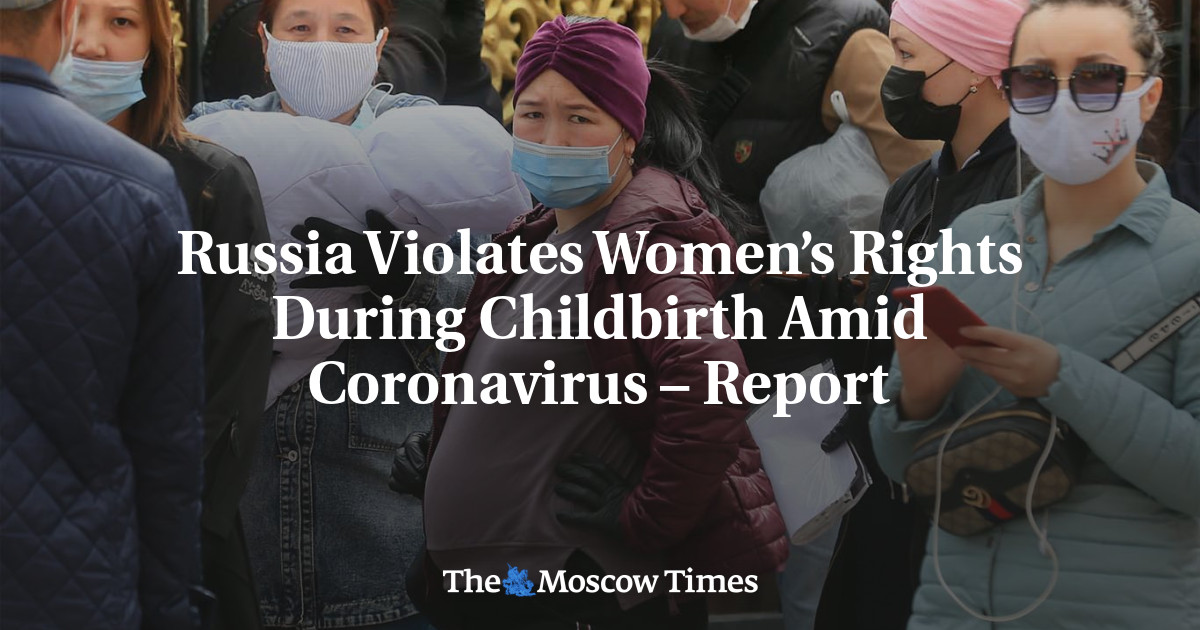
The Russian Ministry of Health has announced its intention to refer women who express a lack of desire to have children to psychologists, prompting strong reactions and sharp criticism even from within the Kremlin's Human Rights Council. This initiative comes amid increasing pressures on women in Russia to bear children, as the government seeks to address the sharp decline in birth rates.
This initiative is part of the Russian government's efforts to promote childbirth at a time when the country is facing a population decline. Many observers have pointed out that these pressures could lead to violations of women's rights, raising concerns about freedom of choice and reproductive rights.
Details of the Initiative
Under this new policy, the Ministry of Health will refer women who express their unwillingness to have children to psychologists, aiming to assess their psychological state and provide mental support. This decision has sparked widespread debate, with some considering it an unjustified intrusion into women's private lives. Some members of the Human Rights Council have expressed concern that this step may lead to increased pressure on women, rather than supporting them in their personal choices.
This initiative comes at a time when Russia is experiencing a significant decline in birth rates, with statistics indicating that the number of newborns in the country has dropped markedly in recent years. Experts attribute this decline to several factors, including economic and social conditions, as well as cultural changes within Russian society.
Background & Context
Historically, Russia has faced significant demographic challenges, witnessing a population decline since the 1990s. The Russian government has attempted to address this issue through a range of policies, including offering financial incentives to families that have children. However, these policies have not achieved the desired results, prompting the government to take more stringent measures.
Social and cultural pressures are part of this equation, as women in Russia face substantial pressure from society and family to have children. Studies have shown that many women feel unable to make free decisions regarding childbirth due to these pressures.
Impact & Consequences
These policies may exacerbate social tensions in Russia, as many feel that women's rights to make decisions about childbirth may be violated. Such pressures could lead to increased feelings of isolation and anxiety among women, potentially negatively impacting their mental health.
Furthermore, this step may lead to increased international criticism of Russia, as women's rights are considered a fundamental aspect of human rights. The Russian government may face pressure from human rights organizations and the international community to retract these policies.
Regional Significance
This issue may be particularly significant for Arab countries, as many nations in the region face similar demographic challenges. The Russian experience could provide valuable lessons on how to address issues of childbirth and reproductive rights. Additionally, the social pressures on women to have children are not unique to Russia but are a global issue that requires comprehensive addressing.
In conclusion, this issue highlights the importance of women's rights in making decisions about childbirth and underscores the challenges governments face in addressing demographic issues without violating individual rights.