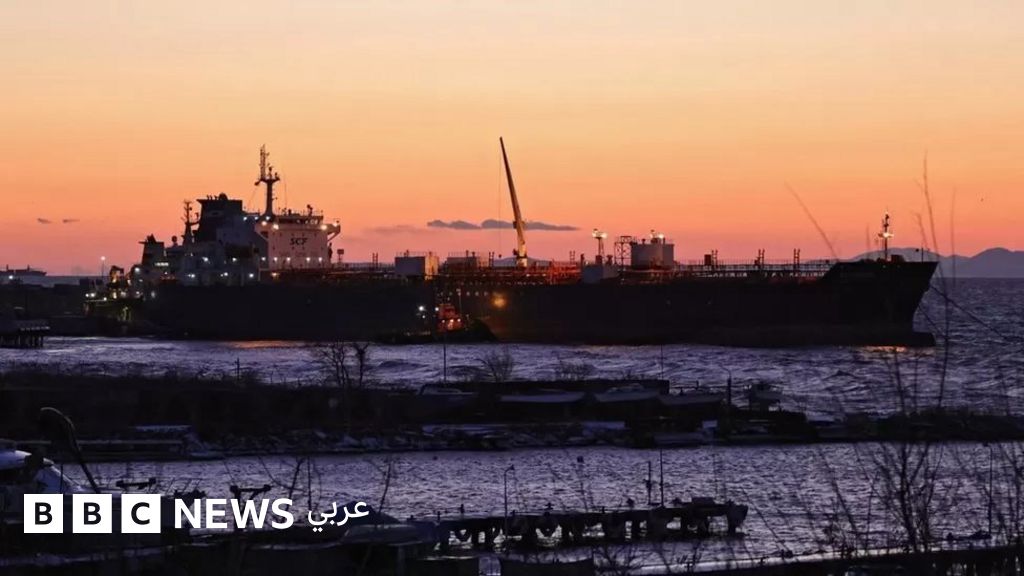
Russia has announced a suspension of its ammonium nitrate exports, a key type of agricultural fertilizer, increasing pressure on global food supplies. This decision comes at a time when markets are facing severe food shortages, significantly impacted by the ongoing war in Ukraine.
Ammonium nitrate is a vital fertilizer used in crop cultivation and significantly contributes to agricultural production increases. With Russia halting these exports, farmers worldwide are expected to face additional challenges in meeting their fertilizer needs, which could negatively affect global agricultural output.
Details of the Announcement
Reports indicate that the Russian government made this decision as part of its efforts to control domestic fertilizer prices and ensure availability for Russian farmers. This move comes at a time when the world is facing an escalating food crisis, with food prices having risen sharply in recent months.
Russia is one of the largest fertilizer exporters in the world, and the suspension of its exports is a significant blow to global markets that rely on these supplies. Previous data showed that Russia accounted for about 15% of total global fertilizer exports, making this decision have widespread implications.
Background & Context
The roots of the current fertilizer crisis can be traced to several factors, including disruptions caused by the war in Ukraine, which has led to rising energy and raw material prices. Additionally, sanctions imposed on Russia by Western countries have exacerbated the situation, affecting the country's ability to export fertilizers effectively.
Moreover, climate change and severe weather conditions in some regions have led to reduced agricultural production, further increasing pressure on markets. Under these circumstances, it has become essential for countries to take urgent actions to ensure the sustainability of food supplies.
Impact & Consequences
The suspension of ammonium nitrate exports is expected to lead to an increase in fertilizer prices in global markets, which will, in turn, affect food prices. Farmers may struggle to obtain the necessary fertilizers, potentially leading to decreased agricultural production and heightened food shortages.
Developing countries, which heavily rely on fertilizer imports, will be the most affected by this decision. Rising fertilizer prices could exacerbate poverty and hunger in these nations, necessitating an urgent response from governments and international organizations.
Regional Significance
Arab countries are among the most affected by the suspension of Russian fertilizer exports, as many nations depend on imports to meet their agricultural needs. Rising fertilizer prices could increase agricultural production costs, negatively impacting food prices in Arab markets.
In light of these circumstances, Arab countries must consider new strategies to enhance local agricultural production and reduce reliance on imports. These strategies may include improving sustainable farming techniques and increasing investment in agricultural research and development.
The suspension of Russia's ammonium nitrate exports represents a significant challenge for global markets and calls for a coordinated response from nations to prevent exacerbating the food crisis. There must be joint efforts to ensure the sustainability of food supplies and achieve food security under the current conditions.