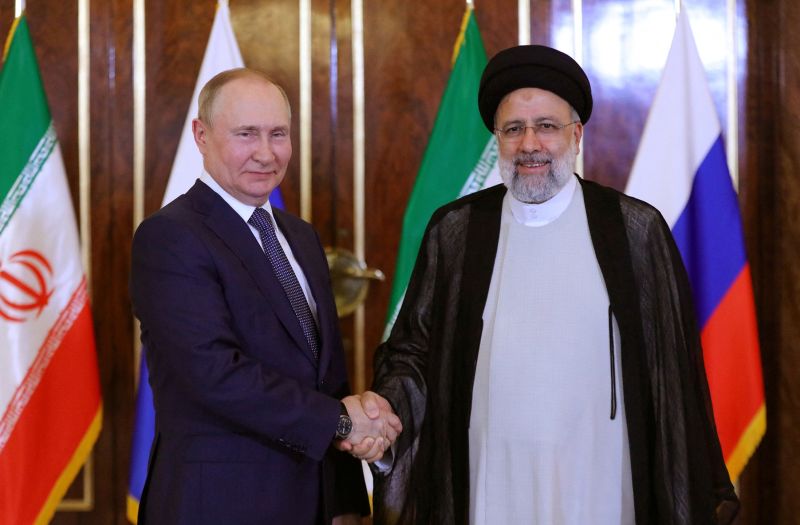
In a new step towards achieving peace in the Middle East, Russia has offered mediation to Iran following negotiations held in Islamabad. This initiative comes at a time when the region is experiencing increasing tensions, reflecting Moscow's interest in enhancing its role as a mediator in regional crises.
The negotiations that took place in Islamabad between Russian and Iranian officials addressed various security and political issues affecting the stability of the region. The Russian side emphasized the importance of dialogue and cooperation among the concerned countries to achieve lasting peace.
Details of the Negotiations
During the negotiations, ways to enhance cooperation between Russia and Iran in multiple fields, including security and energy, were discussed. Russian officials expressed their readiness to provide the necessary support to Iran in its efforts to achieve stability in the region.
The talks also covered issues related to the conflicts in Syria and Iraq, where Russia seeks to play a larger role in resolving ongoing disputes. The negotiators pointed out the importance of collective action to achieve common goals.
Background & Context
Russia and Iran are considered key countries playing a pivotal role in Middle Eastern issues. Their relationship has seen significant development in recent years, especially in light of the challenges facing the region. These negotiations are part of Moscow's efforts to enhance its influence in the area, at a time when Western pressures on Iran are increasing.
Historically, Russia and Iran have cooperated in various fields, including military and economic collaboration. This relationship has contributed to strengthening Iran's position in the face of international sanctions.
Impact & Consequences
If Russian mediation succeeds, it could lead to a radical change in regional dynamics. This step may help alleviate tensions between Iran and Arab countries, opening the door for broader dialogue on shared issues.
Moreover, successful mediation could bolster Russia's position as a key mediator in the Middle East, potentially increasing its influence in the region. At the same time, these efforts may face significant challenges, particularly from Western powers seeking to limit Iran's influence.
Regional Significance
This Russian initiative is of great importance to Arab countries, as it may contribute to achieving stability in the region. If an agreement is reached, it could lead to improved relations between Iran and Arab nations, enhancing opportunities for economic and political cooperation.
However, the question remains about Russia's ability to achieve tangible results amid the political and security complexities in the region. The success of this mediation could open new horizons for cooperation between Arab countries and Iran, contributing to the desired peace.