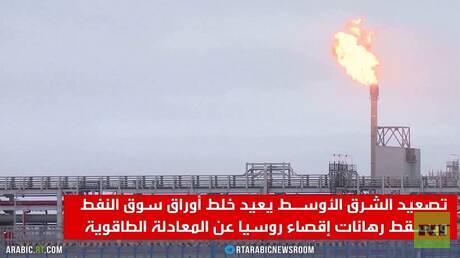
Global energy markets are undergoing a significant transformation as Russia returns to a leading position. This shift occurs during a period of rapid changes in the Middle East that are impacting global energy strategies.
Russia is considered one of the largest oil and gas producers in the world, possessing vast energy reserves. With the increasing global demand for energy, Moscow aims to enhance its role in the market by boosting its exports and expanding partnerships with other countries.
Event Details
In recent years, Russia has faced significant challenges due to Western sanctions and their impact on its economy. However, geopolitical shifts in the region, including tensions in the Middle East, have opened the door for Russia to become a key player in securing energy supplies.
Russia seeks to strengthen its relationships with energy-producing countries in the region, such as Iran and Iraq, which bolsters its strategic position in energy markets. Moreover, the shift towards renewable energy does not prevent Russia from continuing to exploit its traditional resources.
Background & Context
Historically, Russia has been a major player in global energy markets, contributing to price stability and meeting the needs of importing countries. However, the Western sanctions imposed after the political events in Ukraine have negatively affected its competitiveness.
Yet, with rising tensions in the Middle East, there is an urgent need to secure energy supplies, bringing Russia back into the spotlight. Changes in global energy policies, including the transition towards renewable energy sources, have not significantly impacted Russia's role; rather, they have increased the importance of its traditional resources.
Impact & Consequences
Reports indicate that Russia's return to the forefront of energy markets could lead to significant changes in global prices. These changes may affect oil and gas importing countries, increasing economic tensions in certain regions.
Furthermore, strengthening Russian relations with energy-producing countries in the Middle East could contribute to the formation of new alliances, potentially affecting the balance of power in the region. These dynamics may lead to a reshaping of energy strategies among major countries.
Regional Significance
Arab countries are among the most important players in global energy markets, and with Russia's return to prominence, these nations may face new challenges in maintaining their market shares. This may require them to reassess their energy strategies.
Additionally, the strengthening of Russian relations with some Arab countries could lead to changes in traditional alliances, prompting Arab nations to consider how to navigate these new dynamics.
In conclusion, it seems that Russia is returning to be a significant player in the equation of global energy security, compelling other countries to rethink their strategies and orientations in this field.