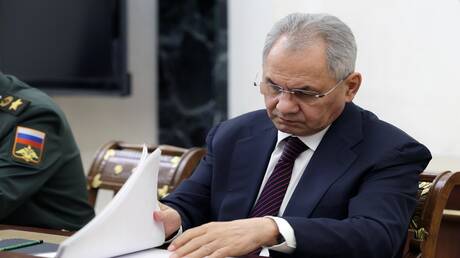
Russian Security Council Secretary Sergey Shoigu announced that the deployment of military infrastructure for the U.S. and NATO in Afghanistan or neighboring countries is completely unacceptable. These statements reflect growing concerns over escalating military tensions in the region, which alarm Russia and its neighboring countries.
This declaration reaffirms Russia's firm stance against any foreign military presence near its borders. Moscow aims to bolster its national security by countering any attempts to deploy foreign forces in adjacent areas. This statement follows reports indicating that the United States and its allies are planning to enhance their military presence in Afghanistan.
Details of the Event
In remarks made during a press conference, Shoigu emphasized that Russia is closely monitoring developments in Afghanistan, noting that any movements by NATO would be met with strong reactions from Moscow. He clarified that Russia would not accept an enhanced NATO presence in the region, viewing it as a direct threat to its national security.
Shoigu also indicated that Russia would take all necessary measures to protect its interests, including strengthening cooperation with neighboring countries. These statements come at a critical time as Russia seeks to enhance its influence in Central Asia, especially following the withdrawal of American forces from Afghanistan.
Background & Context
Historically, Afghanistan has been a battleground for international conflicts, witnessing military interventions from major powers over the decades. After the withdrawal of Soviet forces in the 1980s, the country fell into chaos and civil strife, allowing armed groups to flourish. In recent years, Afghanistan has regained the attention of major powers following the Taliban's takeover.
Russia is one of the countries striving to maintain stability in the region, seeking to strengthen its relations with neighboring countries such as Tajikistan and Uzbekistan. Moscow also aims to prevent any American or Western influence in the area, which could affect its strategic interests.
Impact & Consequences
Shoigu's statements could escalate tensions between Russia and the West, particularly given the current situation in Afghanistan. If NATO continues to bolster its presence in the region, Russia may take escalatory steps, increasing the likelihood of new conflicts.
These statements might also impact relations between Russia and neighboring countries, as some nations may feel concerned about rising military tensions. At the same time, some countries might seek to enhance their cooperation with Russia to counter any potential threats.
Regional Significance
Developments in Afghanistan are of significant importance to the Arab region, as they could affect security and stability in countries like Iraq and Syria. Should tensions escalate in Afghanistan, the activities of armed groups in the region may be impacted, complicating security situations further.
Moreover, these developments could lead to changes in regional policies, as Arab countries may seek to strengthen their cooperation with major powers like Russia to address security challenges.
The situation in Afghanistan remains under scrutiny, with growing concerns over escalating military tensions. Shoigu's remarks reflect Russian anxiety over any foreign military presence in the region, which could lead to widespread ramifications for regional and international security.