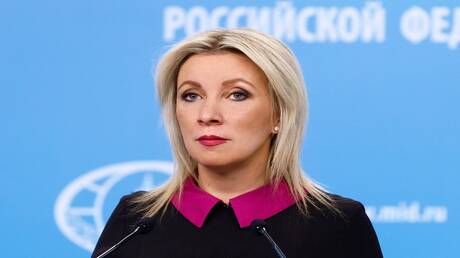
The Russian Foreign Ministry, through its spokesperson Maria Zakharova, announced its diligent efforts to secure the release of Anna Novikova, a Russian citizen detained in France since November 2022. Zakharova confirmed that the ministry and the Russian embassy in Paris are continuously monitoring the developments of the case.
These statements come at a sensitive time, as Novikova's case has garnered significant attention within Russian circles, especially with growing concerns about the impact of her detention on Russia-France relations. Novikova was arrested under mysterious circumstances, complicating the situation further.
Details of the Incident
Anna Novikova, who is 30 years old, was detained in France in November 2022, facing charges that have not been fully disclosed yet. This case has raised concerns among human rights activists in Russia, who believe that her detention may have political motivations. The Russian embassy in Paris is providing her with legal support, seeking accurate information regarding her detention conditions.
In her statements, Zakharova emphasized that the ministry is closely following the case and is attempting to communicate with French authorities for more information regarding Novikova's status. She also called for the respect of her legal rights as any other citizen.
Background & Context
Russian-French relations have been tense in recent years, particularly amid the political and economic crises that have affected the region. The relationship between the two countries has notably deteriorated following the events in Ukraine, impacting bilateral cooperation in various fields.
Novikova's case is part of this broader context, with increasing concerns that her detention could have repercussions on bilateral relations. Previously, tensions have arisen between Russia and Western countries, with several Russian citizens detained in European nations for various reasons.
Impact & Consequences
Novikova's case may affect Russian-French relations, potentially contributing to heightened tensions between the two countries. If French authorities continue to detain her, pressures from the Russian side may escalate, leading to reciprocal diplomatic reactions.
This case could also open discussions about the rights of Russian citizens abroad and how to protect their rights amid political crises. The situation may influence France's image in the eyes of Russians, which could reflect on tourism and cultural exchange between the two nations.
Regional Significance
Novikova's case exemplifies international tensions that may impact relations between countries. In the Arab region, this issue may raise questions about how nations handle their citizens abroad, especially during political crises. Additionally, relations between Russia and Arab countries may be affected, as Arab nations strive to maintain a balance in their relationships with major powers.
Ultimately, Anna Novikova's case remains a focal point for many, as international circles await developments and potential impacts on international relations.