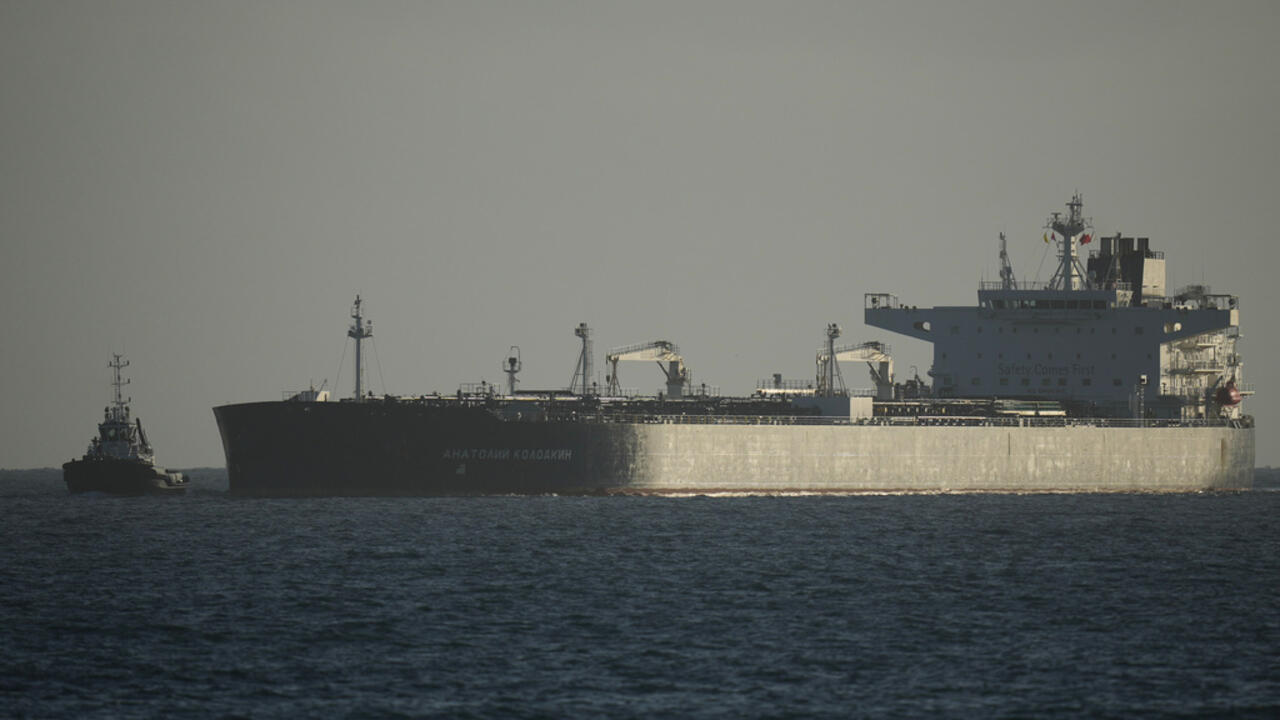
Russia has announced the dispatch of a second oil tanker to Cuba, a move that comes at a time when the communist island is suffering from a severe energy crisis. Russian Energy Minister Sergey Tsivilev confirmed that the new ship will help alleviate the hardships faced by Cubans who are struggling to obtain fuel.
This step follows the arrest of Venezuelan President Nicolás Maduro by U.S. forces, a key ally of Cuba, which has deprived the island of essential oil supplies. Since the beginning of the year, the energy crisis in Cuba has worsened, with the country experiencing frequent power outages and fuel shortages.
Details of the Event
According to Tsivilev's statements, the Russian tanker loaded with oil has breached the blockade imposed on Cuba. The second tanker was loaded after the arrival of the first, which carried 730,000 barrels of oil, to the Cuban port of Matanzas last Tuesday. This is the first Russian oil shipment to reach Cuba since January, reflecting the close historical ties between Moscow and Havana.
Despite U.S. threats to impose tariffs on any country exporting oil to Cuba, Washington allowed Moscow to send the first tanker for humanitarian reasons. U.S. President Donald Trump stated that he has no issue with Russia sending oil to Cuba, indicating that the situation in Cuba will not change regardless of oil supplies.
Background & Context
Historically, Cuba has heavily relied on Venezuelan oil, which came under trade agreements between the two countries. As the situation in Venezuela deteriorates, Cuba faces significant challenges in securing its energy needs. The U.S. blockade imposed on Cuba for decades has complicated this crisis, imposing strict restrictions on trade and imports.
Russia, which maintains close relations with Cuba, seeks to enhance its presence in the region by supporting Havana in the face of U.S. pressures. Moscow has criticized Washington's attempts to prevent fuel supplies from reaching Cuba, considering it a violation of sovereignty rights.
Impact & Consequences
This move is expected to strengthen relations between Russia and Cuba, especially amid increasing tensions between Moscow and Washington. Additionally, the shipment of Russian oil to Cuba may encourage other countries to challenge the U.S. blockade, potentially leading to a shift in the dynamics of international relations in the region.
This action also serves as a strong message from Russia to the United States, indicating that it will not abandon its allies in Latin America. Furthermore, the strengthening of relations between Cuba and Russia could contribute to improving the economic situation in Cuba, despite the significant challenges the country faces.
Regional Significance
The importance of this news lies in the geopolitical shifts occurring worldwide, as countries like Russia seek to enhance their influence in areas traditionally under U.S. dominance. These developments could signal future changes in relations between Arab countries and the United States, especially amid current tensions.
Ultimately, these events highlight the importance of international cooperation in addressing crises and underscore how foreign policies affect the lives of people. Continued Russian support for Cuba may open new avenues for collaboration among countries facing pressures from major powers.