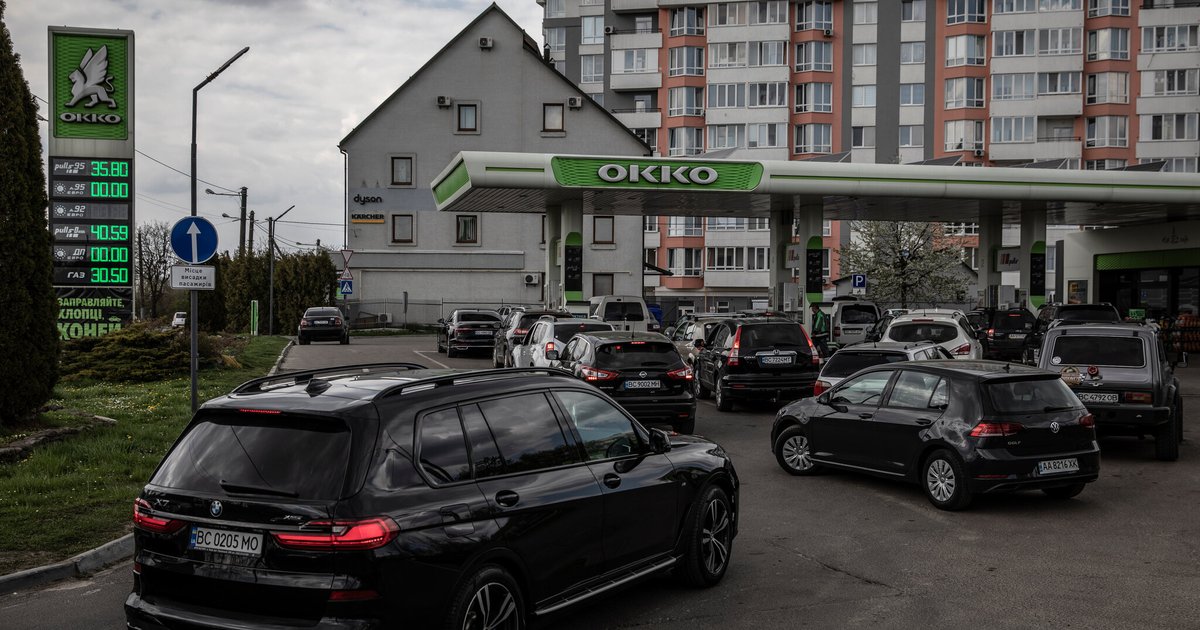
Russia has warned of an imminent fuel crisis that could hit European stations by the end of this month due to the closure of the Strait of Hormuz, which is one of the most crucial waterways for oil transportation. Reports indicate that the last shipment of fuel heading to Europe is expected to arrive on April 11, raising concerns about meeting the energy needs of the European market.
These warnings come at a sensitive time as Europe is experiencing significant fluctuations in energy prices due to ongoing geopolitical crises, including the conflict in Ukraine and the sanctions imposed on Russia. Russian officials have indicated that European countries must be prepared to face a future shock that could affect the stability of energy markets.
Details of the Event
According to data, the closure of the Strait of Hormuz, which is considered a vital crossing point for oil transportation, could lead to a severe fuel shortage in Europe. Many European countries rely on imports of oil and gas, making them vulnerable to supply fluctuations. Russia has confirmed that this closure could have widespread effects on the European economy, necessitating swift actions to address the situation.
In this context, experts have pointed out that European countries should seek alternatives to secure energy supplies, including increasing reliance on renewable energy sources or enhancing cooperation with other energy-producing nations. There should also be long-term strategies to deal with future crises.
Background & Context
Historically, Europe has faced multiple energy crises, the most notable being the gas crisis in 2009, which led to a severe shortage of Russian gas supplies. As geopolitical tensions escalate, securing energy sources has become critically important for European nations. The conflict in Ukraine has led to sanctions on Russia, complicating the situation in energy markets.
European countries are currently striving to reduce their dependence on Russian energy, but this requires time and significant efforts. Amid current crises, there are growing fears that any supply shortage could lead to a substantial increase in energy prices, adversely affecting the European economy as a whole.
Impact & Consequences
If fuel runs out at European stations, it will lead to serious repercussions for the European economy, including rising fuel and energy prices. Additionally, supply shortages could impact industrial and service sectors, resulting in slowed economic growth.
Moreover, any energy crisis could lead to social unrest, as citizens may face increased living costs. In this context, European governments must take urgent measures to ensure market stability and protect citizens from the repercussions of rising prices.
Regional Significance
The Arab region is one of the largest oil producers in the world, and thus any fluctuations in global energy markets could directly affect its economies. In the event of an energy crisis in Europe, some Arab countries may benefit from increased demand for oil, potentially leading to higher prices.
However, Arab nations must be prepared to face challenges that may arise due to changes in global demand. Strengthening cooperation among Arab countries in the energy sector could be an effective solution to tackle future crises.
In conclusion, the current situation in global energy markets requires a swift and effective response from European countries and energy-producing nations. There must be clear strategies to address crises and ensure market stability while protecting consumers from the potential repercussions of any supply shortages.