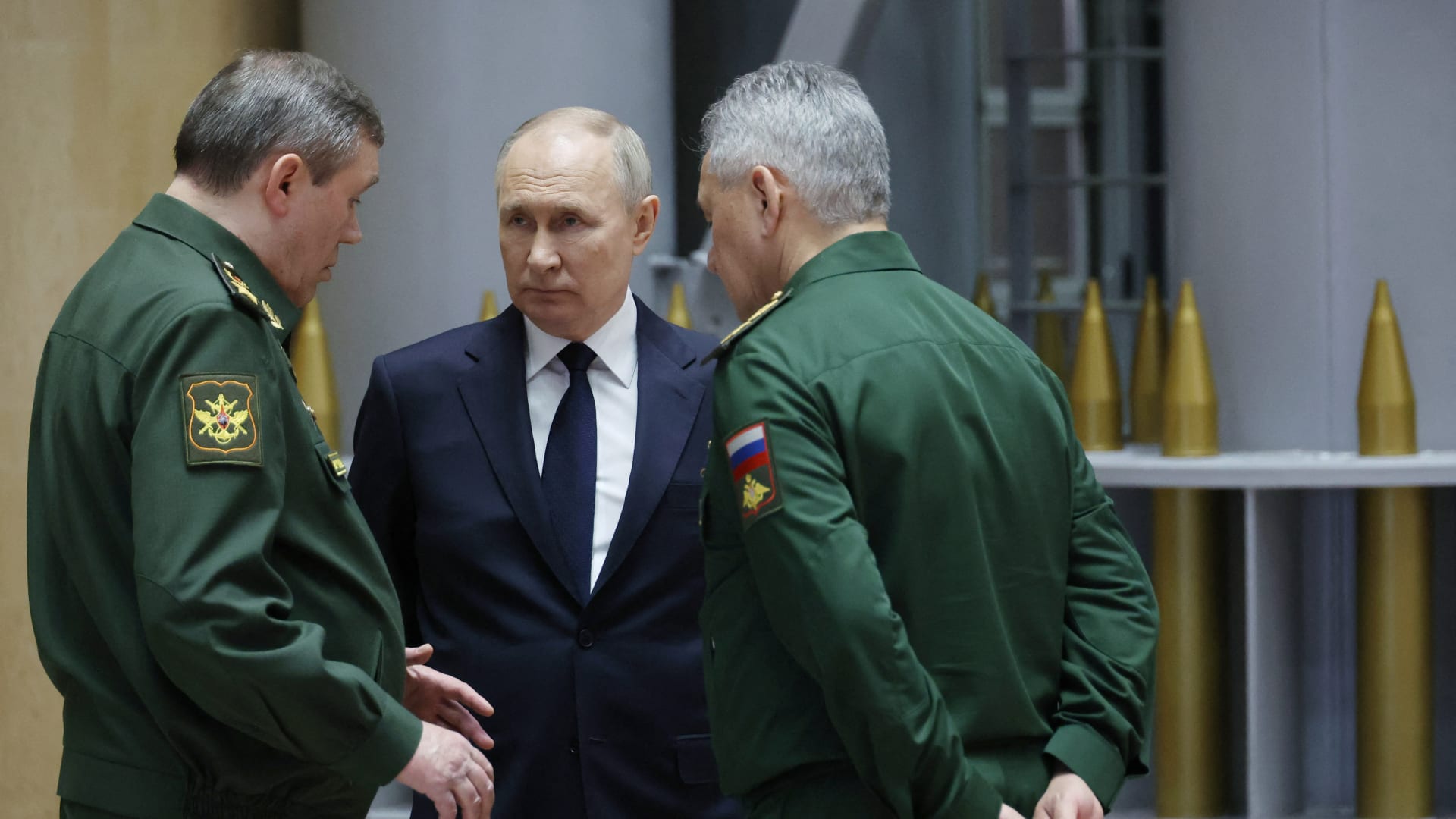
Russia has warned that the Middle East is at risk of slipping into instability and war, urging regional countries to establish 'red lines' in the Iranian-Israeli conflict. The Kremlin emphasized that its relationships with Iran, Israel, and other countries in the region enhance its mediation capabilities.
In official statements, the Kremlin spokesperson confirmed that the situation in the Middle East requires urgent action from the concerned countries to set clear boundaries for the escalating conflict between Iran and Israel. These statements come at a time when the region is witnessing increasing tensions, raising concerns about the potential for a full-scale conflict.
Details of the Situation
Tensions between Iran and Israel are escalating, with both countries exchanging accusations regarding military activities and regional interventions. In this context, the Kremlin believes that maintaining balanced relations with both sides grants Russia a pivotal role in mediation. Russian officials have indicated that dialogue is the only way to avoid military escalation, warning that any escalation could have dire consequences for regional security.
The Kremlin also asserted that Arab and regional countries must take effective steps to establish 'red lines' that limit escalation, pointing out that failure to do so could exacerbate the situation and intensify the conflict.
Background & Context
Historically, the Middle East has witnessed multiple and complex conflicts, where regional and international interests intertwine. The Iranian-Israeli conflict is not new; it has spanned decades and reflects sectarian and political tensions in the region. In recent years, these tensions have notably escalated, especially with the increase of Iranian military activities in Syria and Lebanon, and Israel's airstrikes on Iranian-affiliated sites.
Russia's statements come at a sensitive time, as many countries are seeking to achieve stability in the region. There are also increasing calls from the international community to curb escalation, amid fears of the repercussions of any military conflict on global security.
Impact & Consequences
If the situation continues as it is, the repercussions of the Iranian-Israeli conflict could be severe. An escalation of tensions could lead to military interventions by regional and international powers, complicating the situation further. Additionally, any military conflict could result in mass displacement of populations, increasing humanitarian burdens in the region.
Moreover, the continuation of tensions could negatively impact the regional economy, as trade and investment flows may be affected. The tense situation could also lead to an increase in oil prices, impacting the global economy.
Regional Significance
The Arab countries neighboring Iran and Israel are the most affected by the current tensions. The security and stability of these countries heavily depend on how the conflict evolves. Should the situation escalate, Arab nations may find themselves compelled to intervene, potentially leading to new conflicts in the region.
It is crucial for Arab countries to adopt effective strategies to address these tensions and work towards enhancing regional cooperation. There should also be coordination with major powers, including Russia, to ensure the achievement of peace and stability in the region.
In conclusion, Russia's calls for establishing 'red lines' in the Iranian-Israeli conflict serve as a warning of the dangers of escalation. The current situation requires swift action from all concerned parties to avoid slipping into a full-scale conflict.