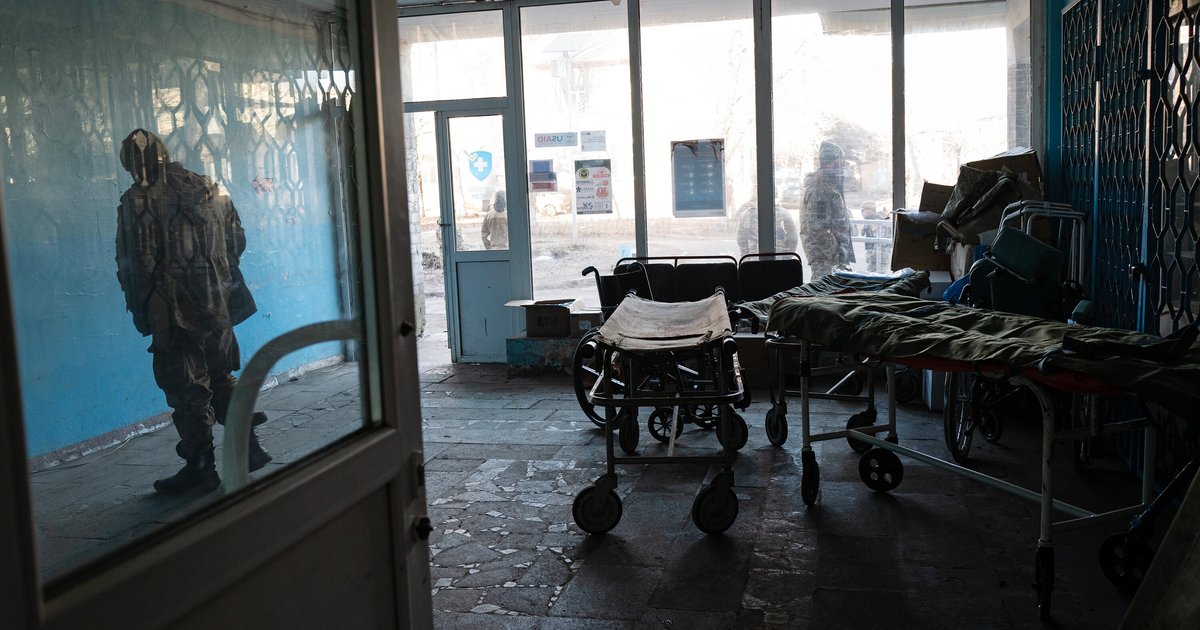
Ukrainian official sources reported today that three individuals, including a child, were killed as a result of a Russian airstrike that targeted the coastal city of Odesa in southern Ukraine. This attack comes at a time when Russia is attempting to suspend shelling and combat operations around the Zaporizhzhia nuclear power plant, which it has controlled since 2022.
The head of the military administration in Odesa, Serhiy Lisak, confirmed via Telegram that "as a result of the nighttime attack launched by the enemy, the death of three individuals, including a child, has unfortunately been confirmed." He added that two other individuals were hospitalized in serious condition.
Details of the Incident
The Russian attack resulted in the destruction of part of a high-rise building in the city, causing significant damage between the third and fifth floors. Lisak noted that there may be individuals trapped under the rubble, which exacerbates the tragedy of the incident.
In a related context, the governor of the Russian region of Krasnodar reported that eight people, including two children, were injured in a series of drone strikes that targeted the area early Sunday morning. The Ukrainian Air Force had previously warned of potential Russian drone attacks in the region.
Background & Context
The Zaporizhzhia nuclear power plant, the largest in Europe, is located in an area that has experienced ongoing tension since the beginning of the Russian-Ukrainian conflict. Russian forces have controlled the plant since early March 2022, raising international concerns about the safety of the nuclear facility.
Yuri Chernichuk, the plant's director, confirmed that they are currently working with the International Atomic Energy Agency to activate a "silent mode," which is an informal agreement to suspend military activities around the plant in order to repair one of the damaged power transmission lines.
Impact & Consequences
The tension in the Zaporizhzhia region raises international concerns, especially with the increasing attacks on nuclear facilities. Chernichuk warned that the situation is characterized by ongoing tension due to combat operations, which threatens the safety of the facility and the surrounding population.
The head of the Rosatom nuclear energy corporation, Alexey Likhachev, confirmed that no direct strikes have been recorded in the area of the plant in recent days, but he noted that there has been a power outage at the plant via the Dniprovskaya line, complicating the situation further.
Regional Significance
Events in Ukraine, particularly attacks on nuclear facilities, raise concerns in the Arab region, where Arab countries are closely monitoring the developments. Fears about the impact of the conflict on energy prices and regional security remain prevalent.
In conclusion, the situation in Ukraine remains tense, with ongoing attacks and military operations, exacerbating humanitarian burdens and increasing concerns about nuclear security in the region.