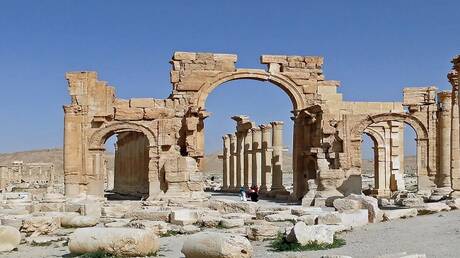
Russian archaeologists have handed over a collection of archaeological findings from Palmyra, Syria, focusing on the foundations of the monumental arch destroyed in 2015. This initiative is part of efforts to preserve Syrian cultural heritage.
Palmyra, the historic city known as the "Pearl of the Desert," has suffered significant destruction during the ongoing conflict in Syria. The monumental arch, a symbol of ancient Roman architecture, was part of the Temple of Baal and was destroyed by ISIS in 2015, prompting global condemnation.
Details of the Event
The Russian Academy of Sciences reported that excavations conducted by Russian scientists in Palmyra resulted in important discoveries, including parts of the monumental arch. These findings represent a part of the efforts to rebuild the cultural heritage that Syria has lost due to the conflict.
The discoveries were delivered to Syrian museums, where they will be displayed to the public as part of efforts to enhance cultural and historical awareness in the country. This step reflects international cooperation in the field of cultural heritage preservation and highlights the significance of Palmyra as a UNESCO World Heritage site.
Background & Context
Palmyra is not just an archaeological site; it is a symbol of human and cultural history. Founded in the third millennium BC, it was an important commercial and cultural center along the Silk Road. The city has faced numerous invasions throughout history but has always managed to rise again.
In recent years, Palmyra has witnessed widespread destruction due to armed conflict, leading to the loss of many archaeological landmarks. However, the efforts by archaeologists and local communities to rebuild the city and preserve its cultural heritage continue unabated.
Impact & Consequences
The delivery of archaeological findings to Syrian museums represents a positive step towards rebuilding the country's cultural identity. This initiative could contribute to the enhancement of cultural tourism in Syria, helping to revive the local economy.
Furthermore, the collaboration between Russian and Syrian scientists reflects the importance of teamwork in the field of cultural heritage preservation and enhances opportunities for knowledge and experience exchange between countries.
Regional Significance
Palmyra is considered a symbol of Arab cultural heritage, and its destruction has had a significant impact on the cultural identity of the region. Rebuilding Palmyra and preserving its ruins could have a positive effect on other Arab countries suffering from conflicts.
These efforts also reflect the importance of preserving cultural heritage as a means to promote peace and understanding among peoples. The restoration of archaeological sites can play a role in boosting cultural tourism, benefiting the local economy.
In conclusion, the delivery of archaeological findings to Syrian museums represents an important step towards rebuilding the country's cultural identity and reflects ongoing efforts to preserve cultural heritage in the face of challenges. This initiative is not just a scientific achievement but also a message of hope for the future.