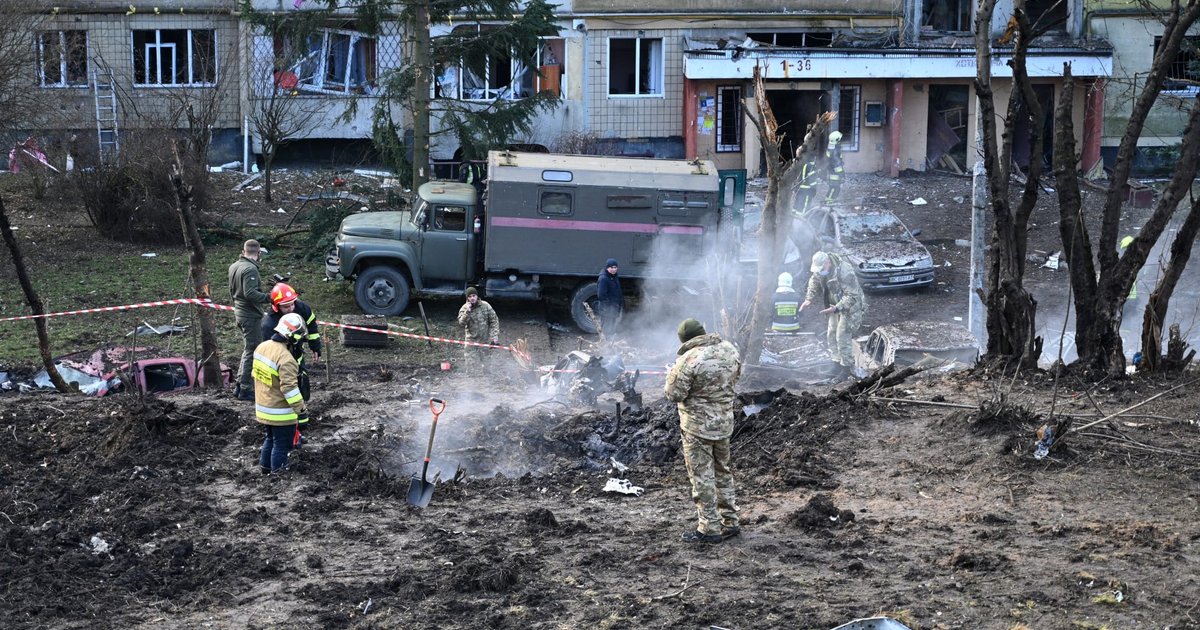
A Russian attack resulted in the deaths of three people and injuries to 13 others in the city of Kramatorsk, eastern Ukraine, on Sunday, March 29. The attack comes at a time when clashes between Ukrainian and Russian forces are intensifying in border areas, raising international concerns about military escalation in the region.
Local police confirmed that the attack targeted a residential area, leading to civilian casualties. This incident is part of a series of attacks on Ukrainian cities amid the ongoing conflict that began in 2014 following Russia's annexation of Crimea.
Details of the Incident
According to reports, Russian strikes targeted populated areas, heightening fears for civilian safety. The attack on Kramatorsk is part of a Russian military strategy aimed at pressuring the Ukrainian government in the eastern regions, where most clashes are concentrated.
Russian attacks on Ukrainian cities are increasing, indicating a potential escalation in military operations. In recent weeks, other areas such as Bakhmut and Lviv have witnessed similar attacks, putting additional pressure on Ukrainian forces and exacerbating civilian suffering.
Background & Context
The conflict in Ukraine began in 2014 after Russia's annexation of Crimea, leading to an armed conflict in eastern Ukraine between government forces and Moscow-backed separatists. Since then, the country has experienced a continuous escalation of violence, resulting in thousands of deaths and millions displaced.
Historically, Kramatorsk was an important industrial center, but it has now become one of the most affected cities by the conflict. The repeated attacks on the city reflect the ongoing tensions between Russia and Ukraine, highlighting the tragic humanitarian impact of the conflict.
Impact & Consequences
The recent attack on Kramatorsk could lead to further escalation of tensions between Russia and Ukraine, potentially affecting diplomatic efforts to resolve the conflict. The international community, including the European Union and the United States, may take new steps to impose sanctions on Russia or increase military support for Ukraine.
Moreover, the rising violence could exacerbate humanitarian conditions in the region, where civilians are suffering from shortages of food and medicine, along with the ongoing fear of attacks. These conditions are expected to increase pressure on the Ukrainian government to provide protection for civilians.
Regional Significance
The Arab region is indirectly affected by the escalating tensions in Ukraine, as any escalation in the conflict could impact energy prices and global markets. Arab countries that rely on importing gas and oil may face new challenges in securing their needs.
Furthermore, the humanitarian crises resulting from the conflict could lead to new waves of refugees, putting additional pressure on neighboring countries. Therefore, developments in Ukraine remain of significant importance to Arab policies and regional security.