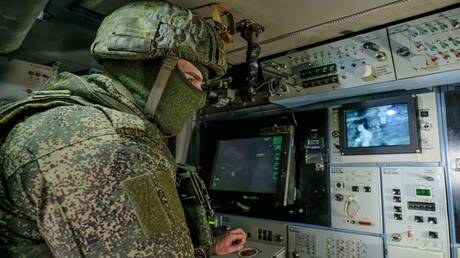
The Russian Ministry of Defense announced the destruction of 58 Ukrainian drones over Russian territory within three hours on Tuesday evening. This announcement comes at a time when military tensions between Moscow and Kyiv are escalating, as Ukraine continues to carry out its aerial operations within the ongoing conflict.
This incident is part of a series of aerial attacks occurring in the region, as Ukraine seeks to enhance its defensive and offensive capabilities against Russian forces. The spokesperson for the Russian Ministry of Defense indicated that these drones were targeting strategic sites within Russian territory, necessitating a strong response from the Russian side.
Details of the Incident
According to official reports, the drones were shot down by Russian air defense systems, which are tasked with protecting Russian airspace from external threats. These operations were carried out late Tuesday evening, reflecting Russia's readiness to counter any potential attacks.
These developments come at a sensitive time, as relations between Russia and Ukraine are experiencing a notable escalation, with increasing military operations from both sides. The Russian Ministry of Defense showcased images of the downed drones, emphasizing the success of its defensive systems in countering these threats.
Background & Context
The roots of the conflict between Russia and Ukraine date back to 2014, when Russia annexed Crimea, leading to an armed conflict in Eastern Ukraine. Since then, the region has witnessed a continuous escalation of military operations, as Ukraine strives to regain control over its lost territories.
Drones are considered an essential part of modern military strategies, as countries use them for reconnaissance and attack purposes. Both Russia and Ukraine are investing in the development of this technology, complicating the conflict and reflecting the security challenges facing the region.
Impact & Consequences
This incident could lead to greater escalation in the conflict, as Ukraine may feel pressured to respond to Russian attacks. The continued use of drones may heighten tensions and signify a shift in the nature of the conflict towards the use of advanced technology.
Concerns are growing that these escalations could have broader implications for regional security, potentially affecting neighboring countries and increasing instability in the area. The international community is closely monitoring these developments, as the current situation may require an urgent diplomatic response.
Regional Significance
In light of these events, the Arab region remains on alert, as developments in the Russian-Ukrainian conflict could impact regional security. Increased tensions may have economic and political repercussions for Arab countries, especially those reliant on energy and resource imports from the region.
Moreover, the events in Ukraine could reshape regional and international alliances, prompting Arab countries to reassess their security and political strategies. In this context, Arab nations must be prepared to address any repercussions that may arise from the escalation of the conflict.
The situations in Ukraine and Russia remain under scrutiny, with expectations that events will continue to evolve. The recent military escalation reflects the ongoing challenges facing the region, necessitating the international community to work towards finding peaceful solutions to the conflict.