The Russian Ministry of Justice has included director Pavel Talankin on its 'foreign agents' list, just days after his documentary 'Mr. Nobody vs. Putin' won the Oscar for Best Feature Documentary on March 15, 2026. This move reflects the increasing tensions between the authorities and filmmakers in Russia, especially given the current political circumstances surrounding the war in Ukraine.
This action follows Talankin's involvement in directing a film that was secretly shot inside a Russian school where he worked. Talankin managed to smuggle the footage out of the country and left Russia in 2024 amid growing pressures on him.
Details of the Event
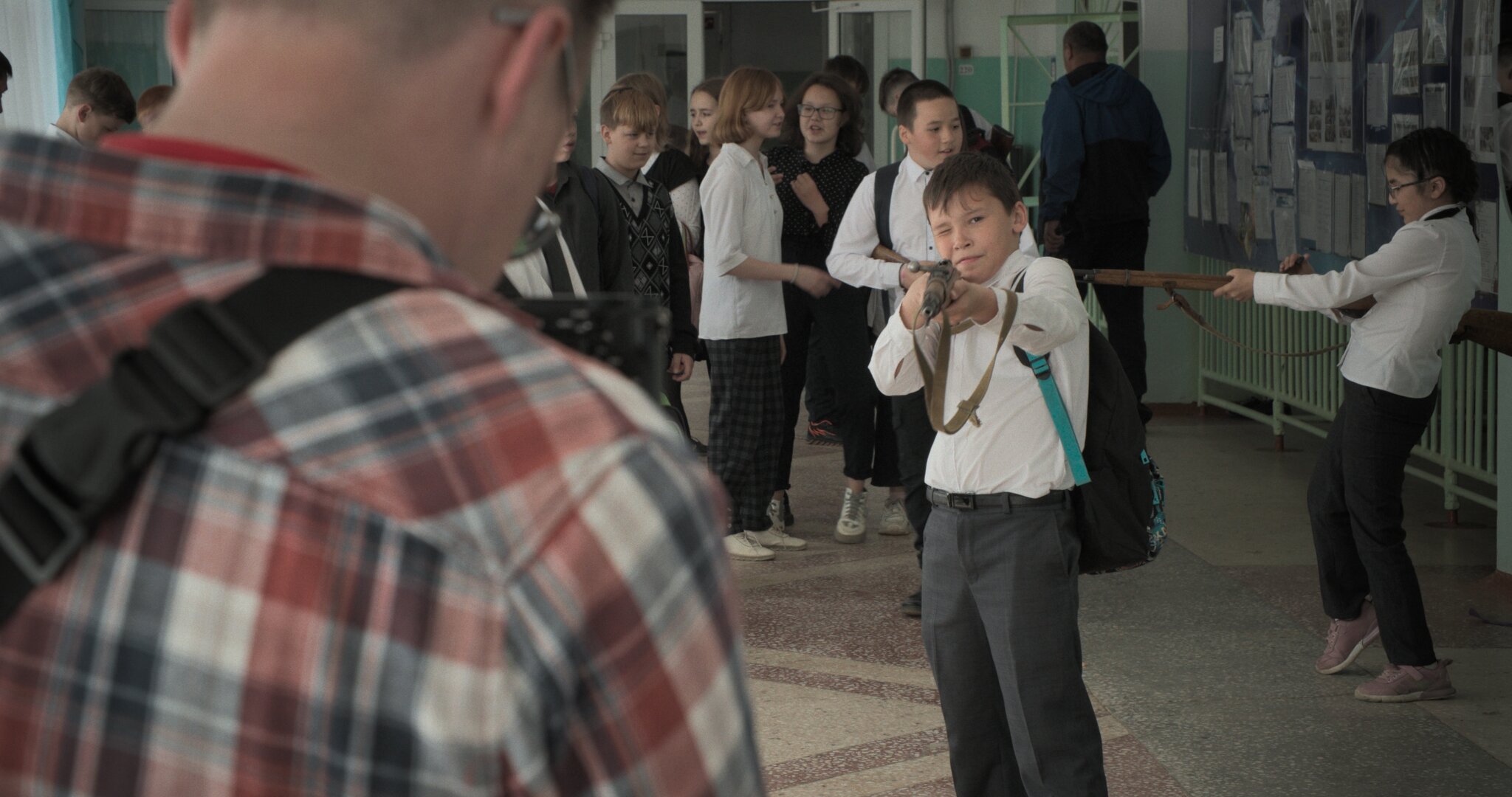
The film, which premiered at the Sundance Film Festival in January 2025, documents how the educational environment in Russia has changed since the outbreak of the war in Ukraine in 2022. The authorities imposed nationalistic educational programs that require teachers and students to participate in and document war-supporting activities.
Through these images, the film reveals how schools have become spaces for reproducing the official narrative, through lessons, daily rituals, and visits from soldiers, culminating in the introduction of military-themed activities into students' lives. These scenes illustrate how children's consciousness is gradually reshaped within an institution that is supposed to be educational, which has garnered the film critical attention.
Background & Context
The film has won several awards, including the Special Jury Prize at Sundance and the BAFTA for Best Documentary, before being crowned with an Oscar. These accolades have heightened the film's sensitivity within Russia, where such works are viewed as part of a broader struggle over narrative control.
The film relied on materials filmed over two years within the educational institution, benefiting from the authorities' request to document activities, which allowed Talankin to capture sensitive moments without raising suspicion. The work presents a blend of direct documentation and human stories, where the lives of students and teachers intersect with the realities of war, from losing relatives to moving to the front lines, and the division within the school community between compliance and resistance.
Impact & Consequences
The film has sparked widespread debate about its ethical boundaries, particularly regarding the use of secret filming within an educational environment. The Russian authorities have cited these points in their justification for including Talankin on the 'foreign agents' list, in addition to accusing him of promoting negative views towards the government and the war.
Being placed on the 'foreign agents' list means imposing broad legal restrictions, including disclosure of funding sources and labeling published materials, along with ongoing surveillance of professional activities. The use of this classification has expanded in recent years to include journalists and artists, amid tightening control over the media and cultural sectors in Russia.
Regional Significance
These events are part of the political and cultural tensions in Russia, which may impact international relations, including with Arab countries. These measures reflect how regimes handle artistic and political criticism, raising questions about freedom of expression in the Arab world.
In conclusion, the case of Pavel Talankin stands as an example of the struggle between art and authority, opening the door for broader discussions about the role of cinema and the arts in expressing political and social realities.