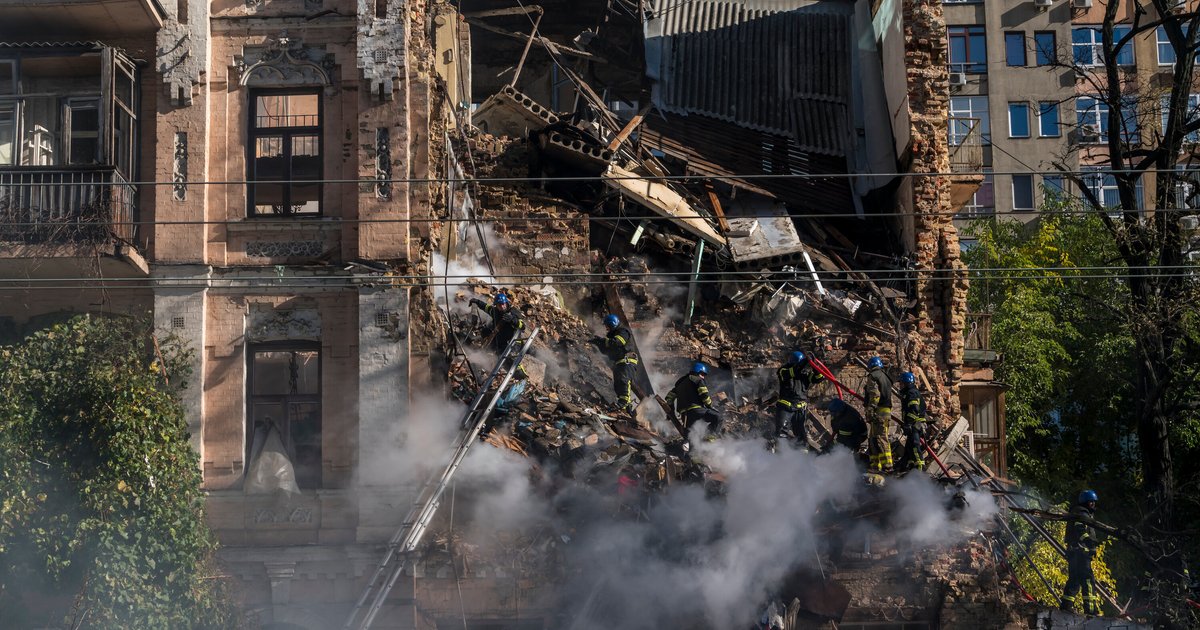
In a new assault on the Ukrainian city of Odesa, nighttime drone strikes led to the deaths of three people, including a child, and injured 17 others. This incident occurs amidst rising tensions between Russia and Ukraine, with Russian forces continuing to carry out attacks on Ukrainian cities.
Rescue teams responded swiftly after the attack, deploying over 200 rescuers and 44 technical units from the state emergency service. This effort reflects the scale of the disaster caused by the attack, as responders dealt with injuries and searched for survivors in the affected areas.
Details of the Attack
The attack in Odesa is part of a series of strikes targeting Ukrainian cities since the onset of the conflict. Reports indicate that the assault was carried out using drones, a technological means increasingly utilized in modern conflicts. The attack has caused panic among residents, leading to the evacuation of many families from the affected areas.
The Ukrainian government condemned the attack, deeming it a blatant violation of international laws. They also emphasized the necessity for international support for Ukraine in facing these recurring aggressions.
Background & Context
The history of the conflict between Russia and Ukraine dates back to 2014, when Russia annexed Crimea. Since then, Ukraine has witnessed an escalation in attacks by Russian forces, resulting in significant loss of life and destruction of infrastructure. Drone attacks have become a hallmark of this conflict, as Russia seeks to expand its influence in the region.
In recent years, tensions have intensified, particularly following Russia's invasion of Ukraine in 2022. The international community, including the United States and the European Union, has condemned these actions and imposed sanctions on Russia, yet the situation remains precarious.
Impact & Consequences
The recent attack in Odesa underscores the ongoing risks faced by Ukrainian cities. It also reflects the significant challenges the Ukrainian government encounters in protecting its citizens. The escalation in attacks may lead to increased international support for Ukraine, but at the same time, it could exacerbate the humanitarian situation in the country.
The economic repercussions of this conflict cannot be overlooked, as Ukraine suffers from a sharp decline in its economy due to the war. This situation may affect stability across the entire region and heighten the likelihood of escalating conflicts in the future.
Regional Significance
For the Arab region, the conflict in Ukraine has multiple implications. Firstly, the rise in grain and energy prices due to the conflict directly impacts Arab countries that rely on imports. Additionally, the humanitarian crises resulting from the conflict may lead to an influx of refugees, increasing pressure on neighboring countries.
Moreover, the political stances of Arab countries regarding the conflict could influence their relationships with major powers, necessitating a reevaluation of their strategies in dealing with international crises.
The attack on Odesa highlights the ongoing challenges Ukraine faces amid the persistent conflict. It also emphasizes the urgent need for international support to protect civilians and provide humanitarian aid. At the same time, the international community must work towards finding lasting solutions to the conflict to ensure regional stability.