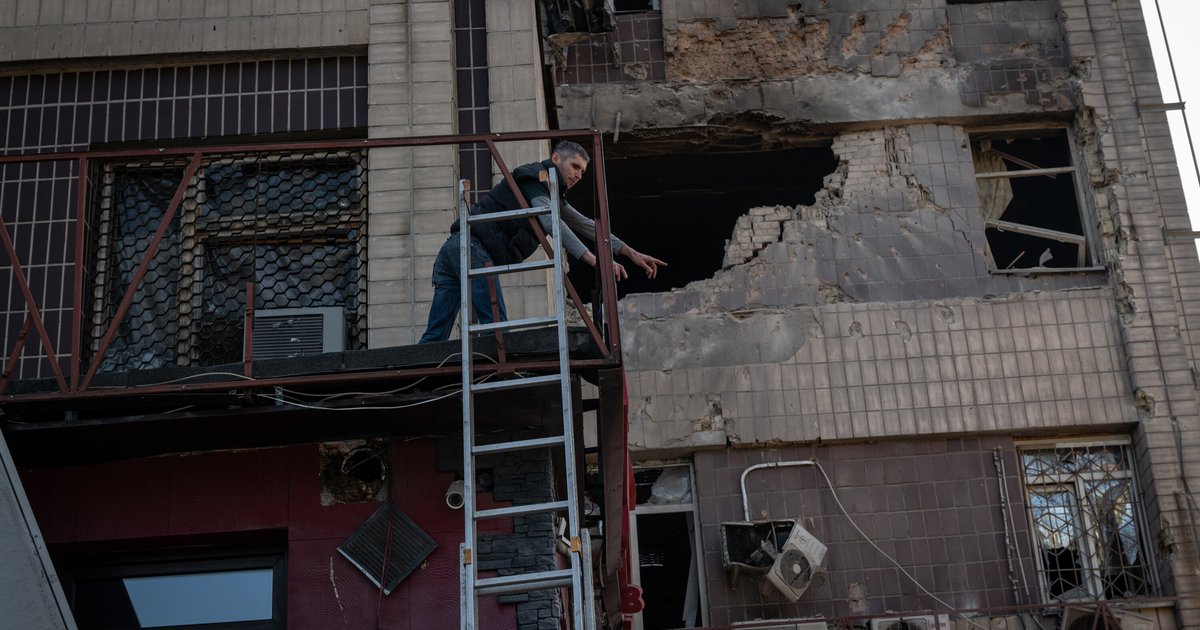
A Russian drone attack has led to the death of three Ukrainian citizens, marking a new incident that reflects the escalating tensions between Russia and Ukraine. The attack occurred late last night, targeting a residential area in one of the Ukrainian cities, resulting in additional injuries among civilians.
This incident comes amid increasing hostilities between Russia and Ukraine, with recent weeks witnessing a notable rise in reciprocal attacks. Ukrainian officials condemned the assault, emphasizing the need to hold Russia accountable for its actions that target civilians.
Details of the Incident
The attack on the residential area caused widespread destruction to surrounding buildings, instilling panic among the residents. Injured individuals were transported to hospitals for treatment, as rescue efforts continue in the area. Ukrainian authorities confirmed that the attack represents a blatant violation of international laws that protect civilians during conflicts.
Simultaneously, the Russian Ministry of Defense issued a statement denying the targeting of civilians, asserting that the attack was aimed at military objectives. However, reports from the area indicate that the victims were civilians, complicating the situation and reflecting the extent of suffering experienced by the Ukrainian people.
Background & Context
Historically, Russian-Ukrainian relations have experienced increasing tensions since 2014, when Russia annexed Crimea. Since then, armed conflicts in Eastern Ukraine have escalated, resulting in the deaths of thousands of civilians and military personnel. Drone attacks have become a common weapon in the conflict, with Russia increasingly using them to target Ukrainian forces.
This incident is part of a broader pattern of violence affecting civilian lives in Ukraine, where many live in constant fear of attacks. The international community is closely monitoring the situation, as calls for new sanctions against Russia due to its human rights violations continue to grow.
Impact & Consequences
The recent attack may lead to further escalation in the conflict, as Ukraine is likely to respond with new military operations. Additionally, this incident could affect ongoing negotiations between the two parties, as the international community faces significant challenges in attempting to reach a peaceful resolution.
On the other hand, the continued attacks on civilians may increase international support for Ukraine, as pressure mounts on Western governments to provide more military and humanitarian assistance. This could alter the dynamics of the conflict and complicate the situation in the region.
Regional Significance
Considering the potential impact of the Russian-Ukrainian conflict on the Arab region, the situation underscores the importance of regional stability. Many Arab countries rely on grains and resources from Ukraine, and any escalation in the conflict could affect food prices and essential resources.
Moreover, the conflict may open the door for new international interventions in the region, further complicating the political and economic situations in Arab countries. It is crucial for Arab nations to remain vigilant regarding developments in this conflict, as its repercussions may extend beyond Ukrainian borders.