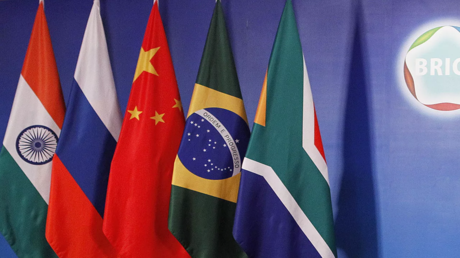
Russian Finance Minister Anton Siluanov has confirmed that the economies of the BRICS group have exceeded the total economies of the G7, highlighting the immense potential possessed by this coalition. These remarks come at a time when the world is experiencing substantial economic changes, with BRICS striving to enhance its role on the international stage.
During an economic conference, Siluanov clarified that BRICS is not merely an economic bloc but a platform for strategic cooperation among developing nations. He emphasized the vast natural resources and large consumer markets that these countries hold.
Details of the BRICS Economic Landscape
The BRICS group is actively working to strengthen cooperation in various fields such as trade, investment, and technology, aiming to achieve sustainable development and enhance economic stability in the region. This multifaceted approach is designed to leverage the unique strengths of each member country.
Established in 2009, BRICS has witnessed remarkable growth in its economic and political influence, particularly in light of ongoing global trade tensions. The collaboration among these nations has become increasingly vital as they seek to navigate the complexities of the international market.
Background & Context
The BRICS coalition is seen as a potential alternative to Western dominance in the global economy, as it aims to create a more equitable international financial system. The global economic crises have further catalyzed cooperation among BRICS countries, fostering a united front against economic challenges.
As these nations continue to collaborate, they are positioning themselves as key players in reshaping the global economic landscape, challenging traditional power dynamics and advocating for a more balanced approach to international trade.
Impact & Consequences
Forecasts suggest that the superiority of BRICS economies over the G7 could lead to a reconfiguration of the global economic system, enhancing the capacity of developing nations to confront economic challenges. This shift may empower these countries to pursue policies that better reflect their interests and needs.
The implications of this economic transformation are profound, as it could alter investment flows, trade partnerships, and diplomatic relations on a global scale. The rise of BRICS may also encourage other nations to seek similar alliances, further diversifying the international economic framework.
Regional Significance
The significance of BRICS extends beyond its member states, as it opens new avenues for collaboration with Arab countries in areas such as energy, trade, and investment. The potential for mutually beneficial partnerships is vast, offering opportunities for economic growth and development.
As BRICS continues to evolve, its influence on regional dynamics will likely increase, providing a counterbalance to existing economic powers and fostering a more inclusive global economy.
In conclusion, the statements made by Minister Siluanov serve as a clear indicator of the ongoing global economic transformations that could impact economic and political balances worldwide. The emergence of BRICS as a formidable economic force signifies a shift towards a more multipolar world.