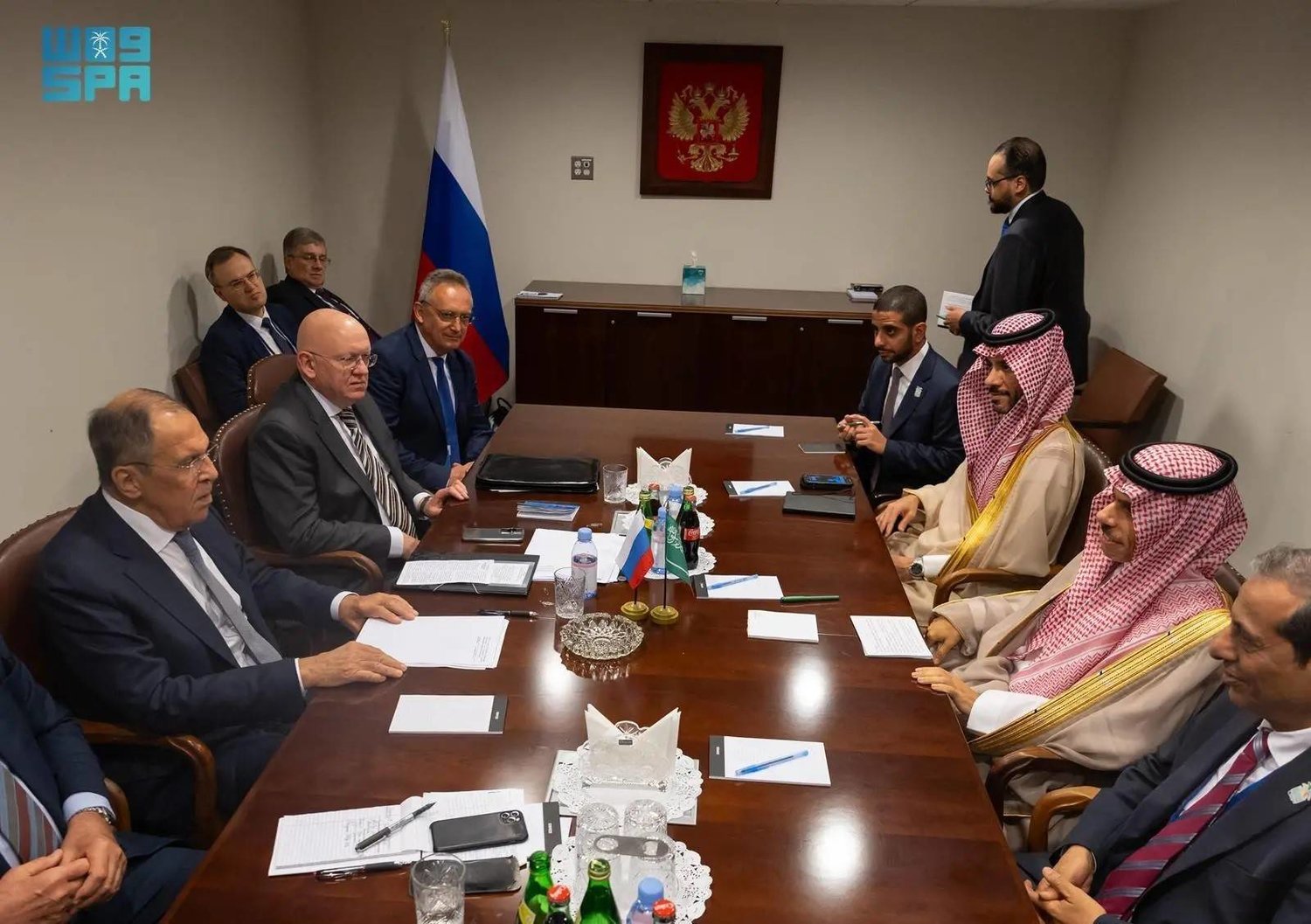
Russian Foreign Minister Sergey Lavrov has warned that the tense situation in the Gulf region could develop into a new global war. This statement was made during Lavrov's remarks, where he confirmed that the world is currently experiencing a profound restructuring of the international system.
These statements come at a time when the Gulf is witnessing increasing tensions, particularly with the escalation of conflicts between regional countries and interventions by major powers. Lavrov pointed out that these conditions require the international community to take urgent steps to avoid escalation.
Details of the Situation
In his remarks, Lavrov clarified that the multiple crises in the Gulf, including the Iran-Saudi conflict, the situations in Yemen, and the increasing security threats, are key factors that could lead to military escalation. He noted that these crises are not merely regional issues but have global implications that could affect countries far from the region.
Lavrov also indicated that major powers, including the United States, play a pivotal role in these crises, complicating the situation further. He affirmed that Russia seeks to promote dialogue among the concerned parties to alleviate tensions.
Background & Context
Historically, the Gulf region has witnessed numerous conflicts and disputes that have led to military interventions by external powers. Since the beginning of the new millennium, tensions between Iran and the Arab Gulf states have escalated, resulting in a division in political and security stances.
Moreover, the situations in Iraq, Syria, and Yemen have further complicated the landscape, as regional and international interests increasingly overlap. This backdrop makes it difficult to reach lasting solutions, thereby increasing the likelihood of military escalation.
Impact & Consequences
If the situation continues to deteriorate, it could lead to serious global repercussions. Any war in the Gulf is likely to affect oil prices and financial markets, negatively impacting the global economy.
Furthermore, military escalation could result in mass displacement of populations and an increase in the number of refugees, placing additional pressures on neighboring countries. Any military intervention could also provoke reactions from other nations, further complicating the situation.
Regional Significance
For Arab countries, the escalation of crises in the Gulf could impact political and economic stability. Countries that rely on oil may face significant challenges in the event of any escalation.
Additionally, these conditions could exacerbate humanitarian crises in the region, particularly in Yemen and Syria. Therefore, there is an urgent need for Arab and international cooperation to mitigate these tensions and achieve peace.
In conclusion, the situation in the Gulf remains a focal point for the world, as fears grow of a military escalation that could alter the landscape of the international system. It is essential for the international community to intensify efforts to prevent disaster.