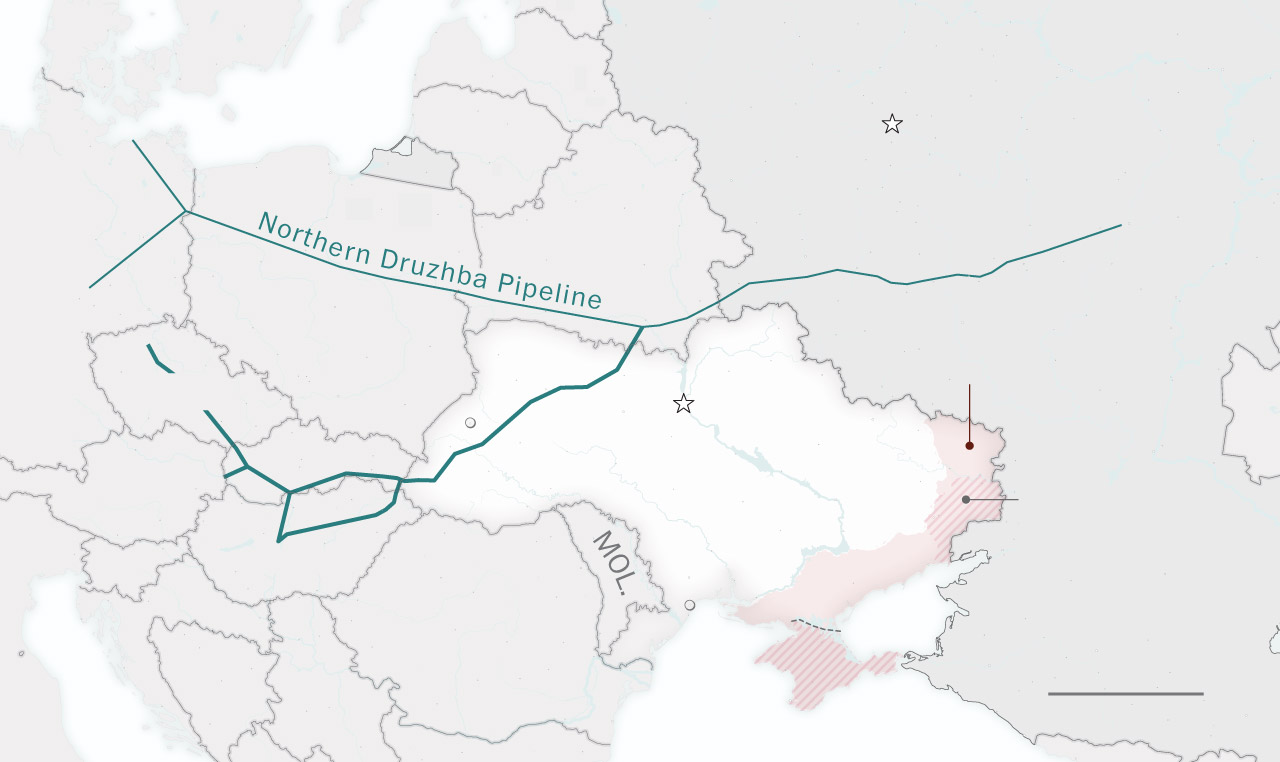
Russian natural gas exports to Europe via the TurkStream pipeline saw a significant increase of 22% in March 2023, compared to the same month last year, with daily supply averaging 55 million cubic meters. This increase comes at a time when the world is experiencing rising geopolitical tensions, raising questions about the future of energy supplies in the region.
The Russian energy giant Gazprom is one of the leading exporters of natural gas, and its supplies to Europe have shown notable improvement in recent months. This improvement comes despite the challenges Russia faces amid ongoing regional conflicts, including the ongoing war in Ukraine.
Details of the Event
According to reports, the increase in gas exports reflects Gazprom's ability to enhance its supplies despite international pressures. The company has managed to overcome sanctions imposed by some Western countries, which has helped it maintain a high level of production and export. Data has shown that the TurkStream pipeline has become one of the main sources for supplying gas to Europe, especially as supplies from other sources have declined.
This comes at a time when many European countries are suffering from energy supply shortages, increasing their reliance on Russian gas. This increase in supplies has affected gas prices in European markets, where prices have seen a significant decline in recent weeks.
Background & Context
Historically, Russia has been one of the largest exporters of natural gas to Europe, with many European countries heavily relying on Russian gas to meet their energy needs. As geopolitical tensions have escalated, particularly following the war in Ukraine, some European countries have begun to seek alternatives to Russian gas, yet Russian supplies still play a pivotal role in the European market.
It is worth noting that the TurkStream pipeline is part of Russia's strategy to expand its influence in the European energy market, directly linking Russian gas to Turkey and then to other countries in Southeast Europe. This strategy aims to reduce reliance on traditional routes that pass through Ukraine, which have been susceptible to political conflicts.
Impact & Consequences
The increase in Russian gas exports to Europe has significant implications for the European market, as it could lead to price stabilization and meet the growing energy demand. However, this situation may raise concerns among some Western countries that seek to reduce their dependence on Russian gas, potentially leading to further tensions in international relations.
Moreover, Russia's continued enhancement of its exports may strengthen its position in international negotiations, making it difficult for Western countries to impose stricter sanctions. This reflects the importance of energy as a tool for political influence in international relations.
Regional Significance
For the Arab region, the increase in Russian gas exports to Europe may impact regional energy markets. Some Arab countries, such as Qatar, are seeking to enhance their role as a major natural gas supplier in the global market. Consequently, competition may intensify among gas-producing countries in the region.
Additionally, tensions in the European market may affect oil and gas prices in the Arab region, which could reflect on local economies. Therefore, monitoring developments in the global energy market remains crucial for Arab countries to ensure their economic stability.
In conclusion, Russian gas exports to Europe remain a contentious issue, reflecting the geopolitical tensions and economic challenges faced by countries amid changes in the global market.