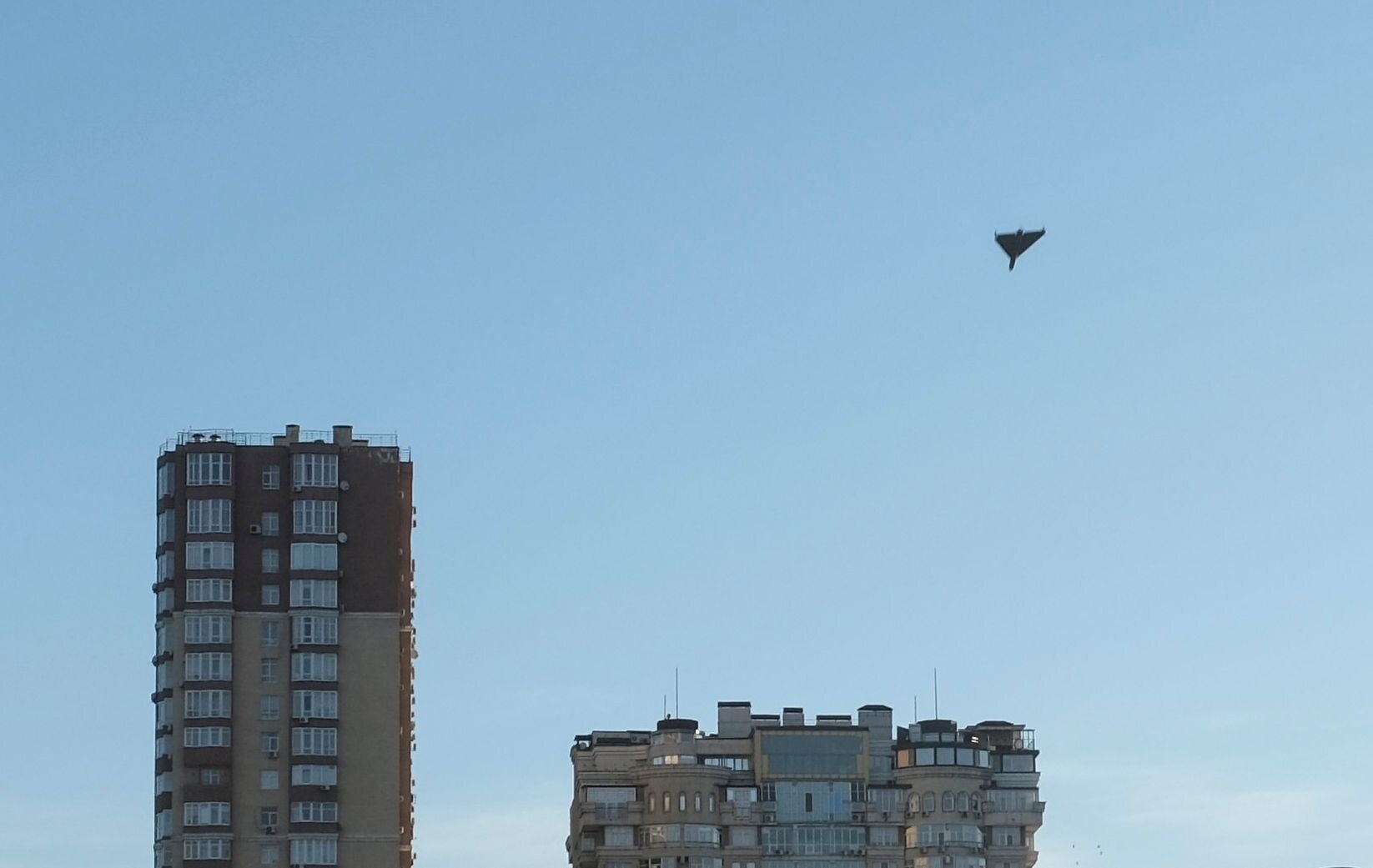
As we enter 2026, indications are mounting that the Russian-Iranian alliance has become more profound and complex. It is no longer merely a transient coordination or exchange of drones; it has evolved into a strategic partnership that transcends traditional boundaries. Since the implementation of the "Strategic Partnership Treaty" in October 2025, Russia has assumed a more active role, becoming Tehran's "intelligence eye" amid increasing Western pressures.
However, the question remains: Is this Russian support for Iran a "blank check"? What are the red lines that Moscow refuses to cross despite escalating tensions in the region? In this report, we will explore four main axes that clarify the nature of this complex alliance and its constraints.
Details of the Event
With the onset of 2026, the rules of the game in the Middle East have changed radically. While Iran was previously used as a tool to attack Ukraine through drones, those drones are now flowing from Russia to Tehran. This shift was not merely a gesture of goodwill; British Defense Minister John Healy described it as the formation of a strategic "axis of aggression." Moscow is supplying Tehran's arsenal with advanced drones like the "Shahed-2," which outperform the original versions due to their jamming-resistant technology.
Moreover, Russia is providing Iran with a comprehensive intelligence umbrella, including satellite data that monitors American movements, reflecting Moscow's desire to drain American power and prolong the conflict in the region.
Background & Context
These developments coincide with European intelligence reports indicating that Russia is preparing to supply Iran with drones to use against the United States and Israel. Sources have confirmed that shipments of drones are en route to Iran, representing the first evidence of lethal support since the war began.
Reports suggest that Russia has been providing intelligence to Tehran to assist in targeting American forces, but the imminent delivery of drones would mark a new step in this cooperation. There are also covert movements to finalize a deal for drone deliveries by next week.
Impact & Consequences
European concerns about this cooperation are rising, with Germany and Britain accusing Russian President Vladimir Putin of aiding Iran in identifying strike targets. Nevertheless, questions remain about how far Russia is willing to go in providing direct military support to Tehran, especially given the clear red lines drawn by the Kremlin.
Leaked documents indicate that military cooperation between Russia and Iran does not extend beyond intelligence support, as there are no direct military commitments. Some analysts have pointed out that Moscow is not seeking a breakthrough in the conflict but prefers "pragmatism" over "military passion."
Regional Significance
As military conflicts draw attention, Bloomberg data indicates that the Kremlin is the biggest beneficiary of escalating tensions in the Middle East, achieving its highest oil profits since the invasion of Ukraine. This development strengthens Russia's position on the international stage and reflects how regional conflicts can impact the global economy.
In conclusion, Tehran recognizes that Russian support is limited, prompting it to adopt a strategy of expanding hostilities in the region, which could lead to increased tensions and higher oil prices as a strategic pressure tool.