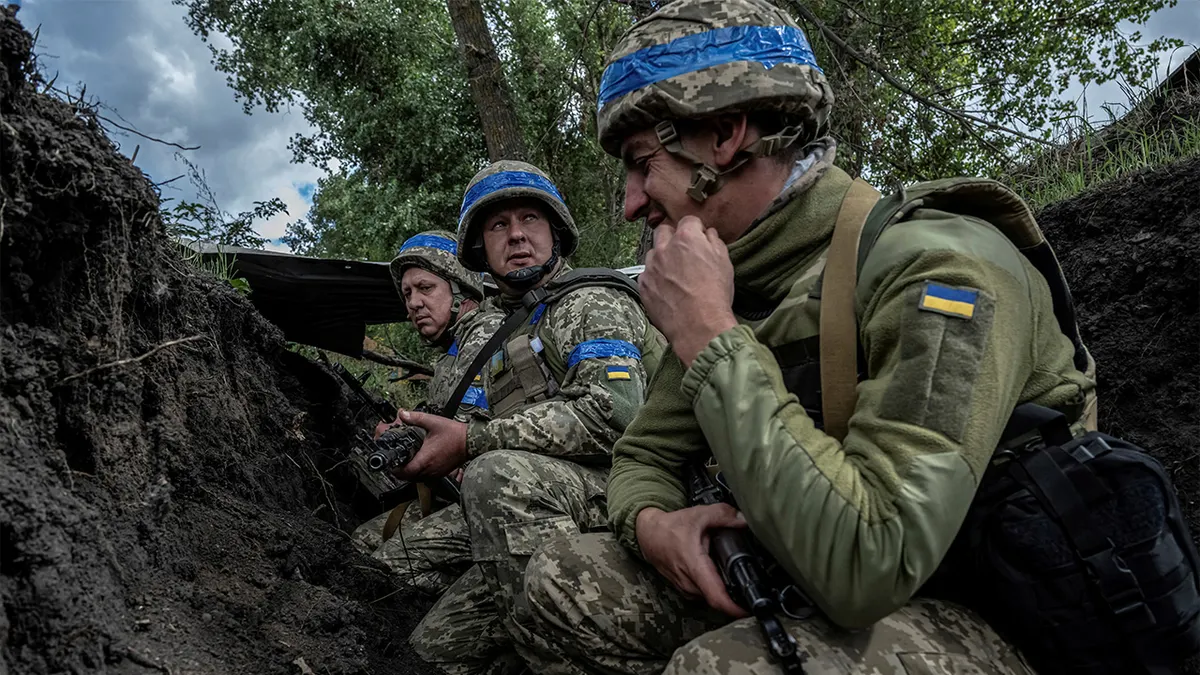
Reports indicate that the number of casualties in the Russian military has reached approximately 1,296,700 individuals, reflecting the significant challenges faced by the army amid the ongoing conflict. These figures come at a time when pressures on Russian forces are increasing across various fronts, raising concerns about their military strategies and ability to sustain the conflict.
Sources suggest that these figures include both fatalities and injuries since the onset of the conflict, highlighting the profound impact the war has had on the Russian armed forces. While Russia seeks to bolster its military presence, the human costs appear to be rising significantly, causing internal and external alarm.
Details of the Ongoing Conflict
Fighting continues in Ukraine, where Russian forces are focusing their efforts on regaining control of lost territories. However, this military advancement comes at a steep cost, as reports indicate that the number of casualties in the Russian army has exceeded expectations. These figures also reflect the logistical and operational challenges faced by Russian forces in their pursuit of military objectives.
Concerns are growing that the continuation of the conflict may exacerbate the humanitarian situation in the region, with civilians suffering from the ongoing repercussions of the war. Additionally, these figures may impact domestic support for Russian President Vladimir Putin, who is facing increasing pressure from the Russian public regarding the costs of the war.
Context and Background
Since the beginning of the conflict in 2022, Russia has witnessed escalating tensions with Ukraine, as Russian forces intervened in the conflict under the pretext of protecting Russian minorities in eastern Ukraine. Over time, the scope of the conflict has expanded to include new areas, leading to an increase in the number of Russian troops deployed to the front lines.
Historically, Russia has always sought to enhance its influence in the region, but the current conflict poses a significant challenge to its military capabilities. The rising numbers of casualties indicate that the Russian military strategy may require reassessment, especially in light of international pressures and sanctions imposed on the country.
Consequences and Impact
The implications of these figures extend beyond Russian borders, affecting international relations and heightening tensions in the region. Western nations, which have imposed sanctions on Russia, are closely monitoring the situation, and these figures may lead to increased pressure on Moscow to alter its military strategy.
Furthermore, the psychological and social impact on soldiers and their families will have long-term repercussions. As casualty numbers rise, Putin may face internal challenges related to political and social stability in Russia, which could influence his foreign policy.
Impact on the Arab Region
In light of these developments, Arab nations are closely watching the situation, as the outcomes of the conflict could affect regional balances. Many Arab countries have interests in the area, and any changes in the military situation may lead to a reassessment of their strategies.
The conflict in Ukraine may also impact energy prices and resources, which could have repercussions for the Arab economy. Amid current economic crises, any increase in energy prices could negatively affect oil-importing countries.
In conclusion, with the rising number of casualties in the Russian military, it appears that the conflict in Ukraine is entering a new phase of complexity. The increasing figures underscore the urgent need for peaceful solutions, as the continuation of the conflict will only exacerbate the humanitarian and political situations in the region.