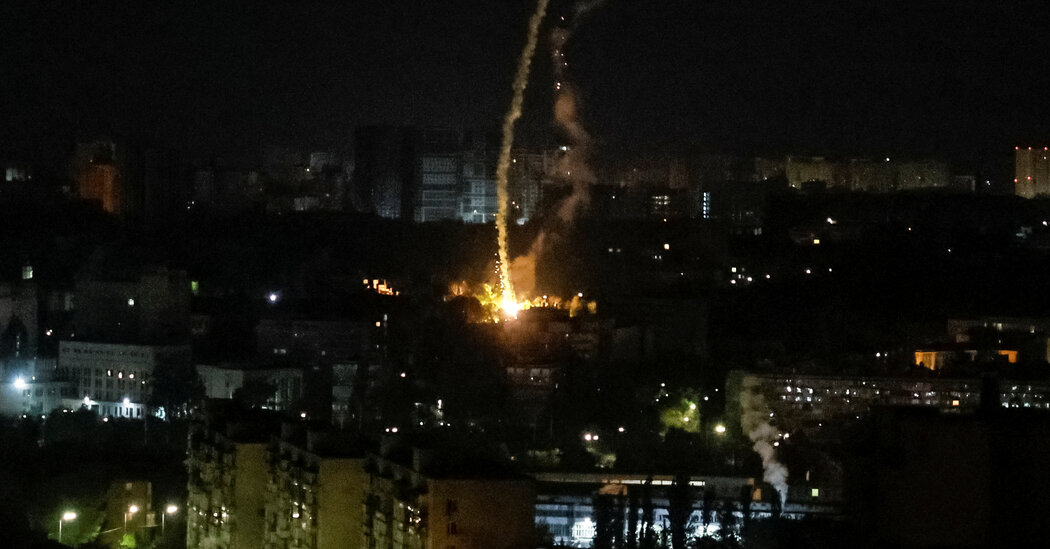
Russian forces have conducted airstrikes in various areas of Kyiv, leading to heightened tensions in the ongoing conflict between Russia and Ukraine. At the same time, Ukraine has shown willingness to consider a ceasefire during Easter, which opens a door of hope for achieving a temporary truce.
This attack comes at a critical time as both sides seek to find lasting solutions to a conflict that has persisted for over a year. The Russian strikes have primarily targeted military and civilian sites in the Ukrainian capital, resulting in significant damage.
Details of the Event
According to reports, the Russian airstrikes targeted several locations in Kyiv, raising concerns among local residents and exacerbating the humanitarian crisis. Ukrainian authorities have confirmed that the attacks resulted in civilian casualties, highlighting the devastating impact of the conflict on people's daily lives.
In response, the Ukrainian government announced that it is considering the possibility of a ceasefire during Easter, which could represent a rare opportunity for de-escalation. This proposal comes amid increasing international calls for a halt to hostilities and a reduction of tensions between the two sides.
Background & Context
Historically, Russian-Ukrainian relations have seen escalating tensions since 2014, when Russia annexed Crimea. Since then, armed conflicts have erupted in eastern Ukraine, leading to thousands of deaths and the displacement of millions. With military actions escalating in recent years, the situation has become more complex, with international powers intervening in the conflict.
Diplomatic efforts to find a lasting solution to the conflict have made little progress, complicating the situation further. However, the possibility of a ceasefire during Easter may open the door for new negotiations.
Impact & Consequences
The military escalation in Kyiv serves as a stark reminder of the consequences of the ongoing conflict on regional and international security. Continued hostilities could worsen humanitarian conditions, necessitating urgent international intervention.
Moreover, any progress towards a ceasefire could affect relations between Russia and Western countries, which are closely monitoring the situation. If negotiations succeed, the world may witness a shift in the geopolitical dynamics of the region.
Regional Significance
The Russian-Ukrainian conflict indirectly impacts the Arab region, as energy and food prices rise due to ongoing tensions. Arab countries, which heavily rely on wheat imports from Ukraine, may face increasing economic challenges if the conflict continues.
Furthermore, any escalation in the conflict could affect regional stability, prompting Arab nations to take precautionary measures to address potential repercussions.
As events unfold, hope remains pinned on the possibility of achieving a truce during Easter, which could help ease tensions and open the door for dialogue between the conflicting parties.