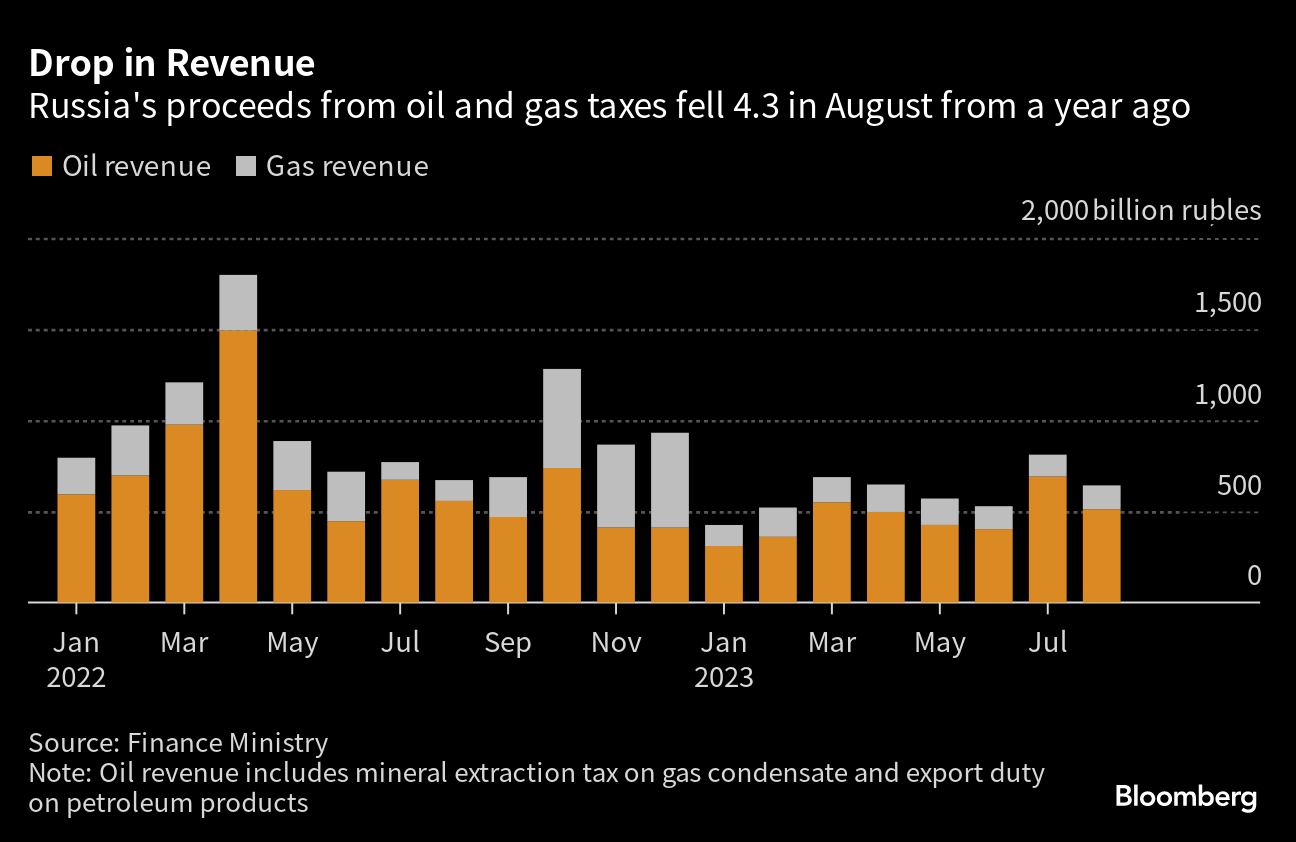
The Russian Ministry of Finance reported a significant decline in government oil and gas revenues, which fell by 43% in March, amounting to 617 billion rubles, or approximately $7.72 billion, compared to the same month last year. This decrease is attributed to falling oil prices and the strengthening of the ruble.
Data indicates that the Russian government is facing substantial economic challenges due to fluctuations in global markets. Oil prices have seen a marked decline, directly impacting revenues that the state heavily relies on. Additionally, the strengthening of the ruble reflects the strength of the local currency, but at the same time, it increases the cost of Russian exports.
Details of the Event
In March, Russian oil and gas revenues hit their lowest levels since the beginning of the year, sharply declining compared to the same period last year. This drop is part of a broader trend observed in the global market, where oil prices have fallen due to increased production from other countries and decreased global demand.
Oil and gas revenues are a primary source of funding for the Russian budget, representing a significant portion of total government revenues. With increasing economic pressures, the Russian government may need to reassess its economic strategies.
Background & Context
Since 2020, global markets have been significantly affected by the COVID-19 pandemic, leading to a decline in demand for oil and gas. However, prices began to recover in the second half of 2021, but this recovery was not sustainable. As geopolitical tensions in the region escalated, including the conflict in Ukraine, pressures on the Russian economy increased.
The Russian government is striving to diversify its economy and reduce dependence on oil and gas revenues, but these efforts face significant challenges. Additionally, Western sanctions imposed on Russia due to the conflict in Ukraine have complicated the economic situation further.
Impact & Consequences
The decline in oil and gas revenues significantly impacts the Russian economy, potentially leading to reduced government spending and increased pressures on the budget. Furthermore, this decline may affect foreign investments in Russia, as companies might hesitate to invest in an unstable economic environment.
In the long term, this situation could lead to increased social and political tensions within Russia, as citizens may feel negative impacts on their standard of living. The decrease in revenues could also affect the government's ability to fund major projects and social initiatives.
Regional Significance
The Arab region is among the largest oil producers in the world, and thus, the decline in oil prices may affect the economies of many Arab countries. Countries that heavily rely on oil revenues may face economic challenges similar to those faced by Russia.
Moreover, falling oil prices could increase competition among oil-producing countries in the region, potentially affecting their economic and political strategies. Under these circumstances, Arab countries may seek to enhance economic cooperation among themselves to address shared challenges.
In conclusion, the decline in Russian oil and gas revenues is an indicator of the economic challenges facing Russia, and it may have far-reaching implications for the global economy, including the Arab region.