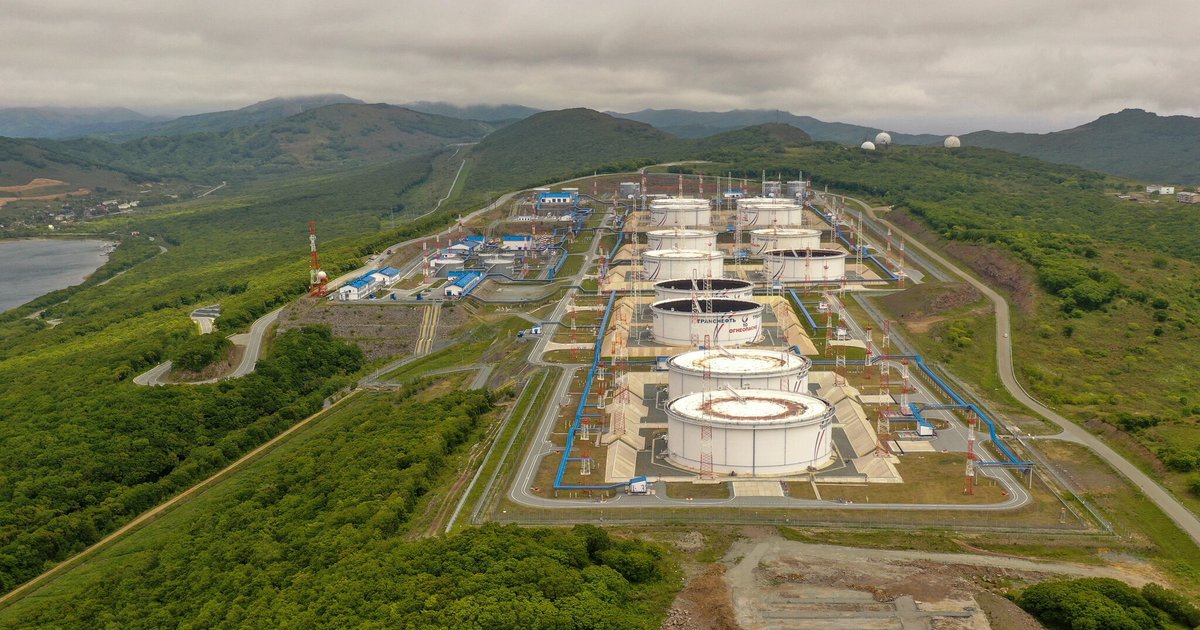
Russian oil stations are facing significant difficulties in accepting shipments for the second consecutive week due to ongoing attacks targeting these vital facilities. This situation has affected the flow of Russian oil to global markets, raising concerns among investors and analysts.
The attacks on oil stations come at a sensitive time, as the Russian economy heavily relies on oil exports. Sources have reported that these attacks have led to a halt in shipping operations, threatening to create supply shortages and impacting global oil prices.
Details of the Incident
Russian oil stations are subjected to repeated targeting, rendering them unable to receive shipments. These attacks, believed to be linked to escalating geopolitical tensions, place the Russian economy in a difficult position, as oil is considered one of the main sources of revenue.
These developments come at a critical time for global markets, as oil-importing countries seek to secure their supplies amid multiple crises. Reports indicate that some countries have started looking for alternatives to Russian oil, increasing pressure on the Russian economy.
Background & Context
Historically, Russian oil has been considered one of the cornerstones of the global economy, exporting large quantities to Europe and Asia. With the rise of political tensions, these supplies have become vulnerable, raising questions about the stability of the global market.
These events occur amid rising conflicts in the region, with growing fears about their impact on regional and international stability. Recent years have seen numerous crises affecting oil flow, prompting countries to rely on new strategies to secure their supplies.
Impact & Consequences
These events serve as a wake-up call for global markets, as they could lead to price increases if the attacks continue. Additionally, a decline in Russian supplies may drive importing countries to seek alternative sources, potentially leading to changes in market dynamics.
Moreover, these developments could affect international relations, as they may lead to further tensions between oil-producing and consuming nations. If these conditions persist, we may witness significant shifts in global energy strategies.
Regional Significance
For Arab countries, the situation in Russia serves as an indicator of how geopolitical crises can impact oil markets. Some countries may benefit from increased demand for their oil if the crises in Russia continue.
Furthermore, oil-producing Arab nations may need to enhance their cooperation to ensure price stability in global markets. In this context, OPEC could play a crucial role in managing supplies and influencing prices.
The ongoing attacks on Russian oil stations represent a significant challenge for the Russian economy and global markets. As tensions rise, the question remains about how these events will affect the stability of the global market and oil supplies in the future.