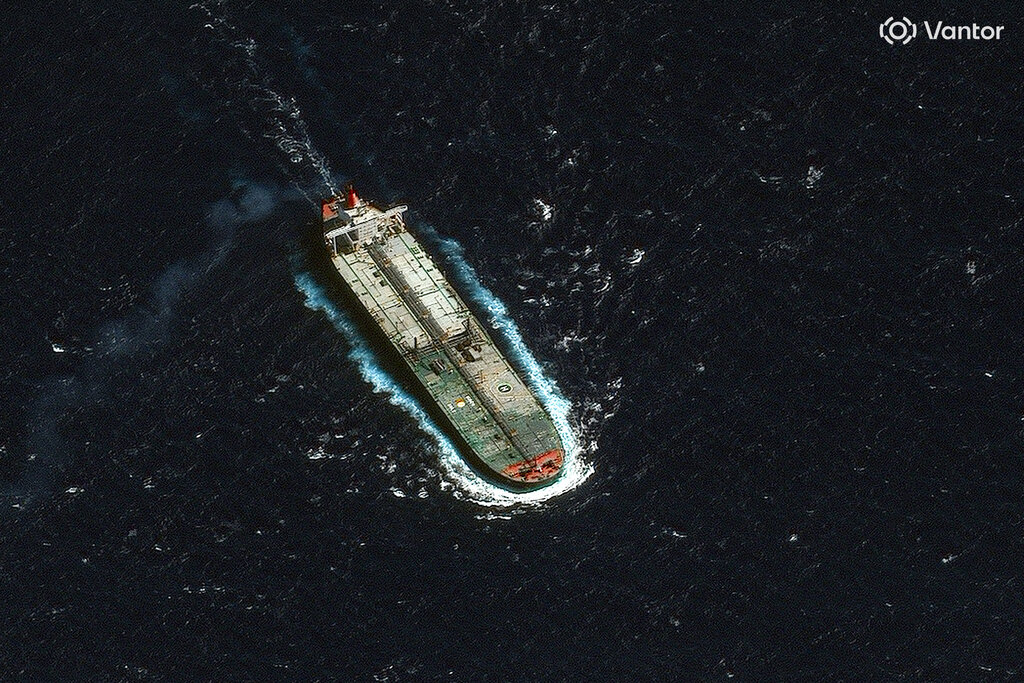
The Russian oil tanker Anatoly Kolodkin, which is under US sanctions, is preparing to arrive in Cuba on Monday, marking a significant challenge to the oil blockade imposed by the United States on the energy-stricken island. The tanker, loaded with 730,000 barrels of oil, was located north of Haiti on Sunday, en route to the Matanzas port in western Cuba.
This move comes at a critical time for Cuba, which has lost its main regional ally and primary oil supplier, Venezuela, following the arrest of its socialist leader Nicolas Maduro by US forces last January. These events have exacerbated the energy crisis in the country, with the Cuban government reporting that it has not received any oil shipments since then.
Details of the Event
The Cuban government, which has an estimated population of 9.6 million, is attempting to tackle the energy crisis through emergency measures, including fuel rationing. Fuel prices have surged significantly, leading to a reduction in public transportation and the suspension of some airlines' flights to Cuba. The country has also experienced seven nationwide power outages since the beginning of 2024, including two this month alone.
The tanker Anatoly Kolodkin, which was loaded with oil at the Primorsk port in Russia on March 8, was accompanied by a Russian warship through the English Channel, but the vessels parted ways as the tanker entered the Atlantic Ocean, according to the British Royal Navy.
Background & Context
Historically, Cuba has heavily relied on Venezuelan oil, which came as part of cooperation agreements between the two countries. As US pressures have escalated, the situation has become more complicated, with former US President Donald Trump threatening to impose tariffs on any country sending oil to Cuba, further isolating the island.
Cuba is one of the few countries that still maintains close ties with Russia, especially amid current geopolitical tensions. These relations date back to the Cold War era when Cuba was a center of Soviet influence in the region.
Impact & Consequences
This move by Russia represents a challenge to US dominance in the region and may provoke strong reactions from Washington. These developments could escalate tensions between the United States and Russia, particularly given the current state of international relations.
The arrival of the Russian tanker may alleviate the energy crisis in Cuba, but it could also expose the island to further pressure and sanctions from the United States. This situation could complicate the already dire economic and social conditions in the country, which is grappling with multiple crises.
Regional Significance
These events are particularly significant for the Arab region, as they reflect geopolitical conflicts and their impact on smaller nations. The situation in Cuba may highlight how economic sanctions affect developing countries, which could influence Arab policies towards relations with major powers.
In conclusion, the arrival of the Russian tanker in Cuba signifies radical changes in international relations and reflects the challenges faced by smaller nations under economic and political pressures. Cuba, like many other countries, must seek innovative solutions to overcome the crises it faces.