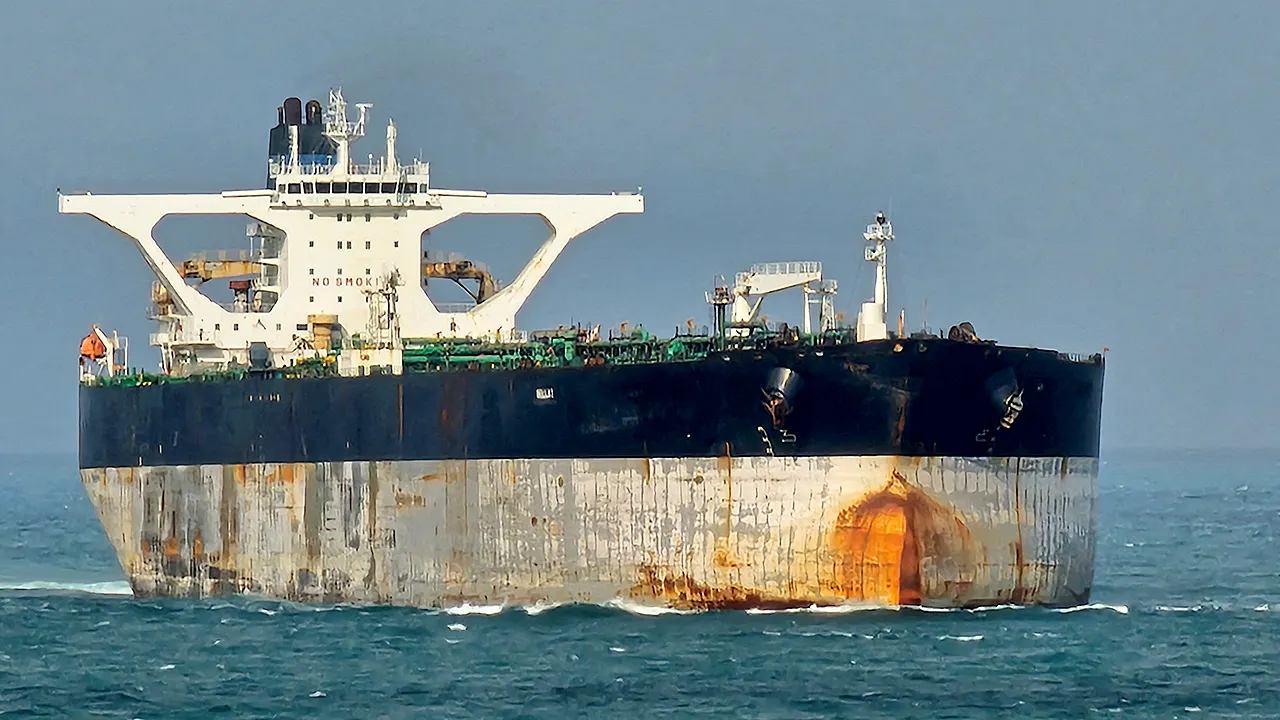
Cuba is preparing to receive a Russian oil tanker named 'Anatoly Kolodkin', expected to arrive at the island's shores next Monday. This move comes at a time when Cuba is experiencing a severe energy shortage, making it increasingly reliant on external supplies. The tanker is loaded with 730,000 barrels of crude oil and is surrounded by US sanctions aimed at reducing Cuba's ability to obtain vital resources.
This action represents a clear challenge to the US embargo imposed on Cuba, which has lasted for decades. Former US President Donald Trump indicated that he sees no problem with the tanker’s passage, raising questions about the current US administration's stance on the matter.
Details of the Event
The tanker 'Anatoly Kolodkin' was spotted in waters north of Cuba, indicating its imminent arrival at the island. This comes at a time when Cuba is facing a crippling energy crisis, suffering from continuous electricity outages and fuel shortages, negatively impacting the daily lives of its citizens.
Cuba is one of the countries facing significant economic challenges, heavily reliant on tourism and agriculture. However, US sanctions have made it difficult for the island to secure the necessary resources to meet its basic needs.
Background & Context
The roots of the US embargo on Cuba date back to 1960 when the United States imposed economic sanctions on the island following the Cuban Revolution. Since then, Cuba has faced significant difficulties in obtaining essential supplies, including oil. In recent years, Cuba has increased its reliance on Russia and other countries to secure its energy needs.
This tanker is part of Cuba's efforts to strengthen its partnerships with non-Western countries in an attempt to overcome US sanctions. Additionally, this event reflects the increasing tensions between the United States and Russia, as both seek to enhance their influence in the Caribbean region.
Impact & Consequences
The arrival of this tanker in Cuba could escalate tensions between the United States and Russia, as Washington views any support for Cuba as a threat to its interests in the region. Furthermore, this situation may encourage other countries to challenge US sanctions, complicating the geopolitical landscape in the area.
On the other hand, the arrival of Russian oil could alleviate the severity of the energy crisis in Cuba, potentially improving the economic and social situation in the country. However, the question remains as to how effectively Cuba can utilize these supplies under current conditions.
Regional Significance
These events are significant for the Arab region, reflecting the challenges faced by countries under sanctions and embargoes. The relationships between major powers like the United States and Russia directly impact regional stability. As many Arab countries seek to strengthen their partnerships with Russia, these events may serve as evidence of the importance of diversifying international relations.
In conclusion, the approaching Russian tanker reflects the significant challenges faced by Cuba amid US sanctions. This move could mark the beginning of a new phase in relations between Cuba and other countries, potentially impacting the geopolitical landscape in the region.