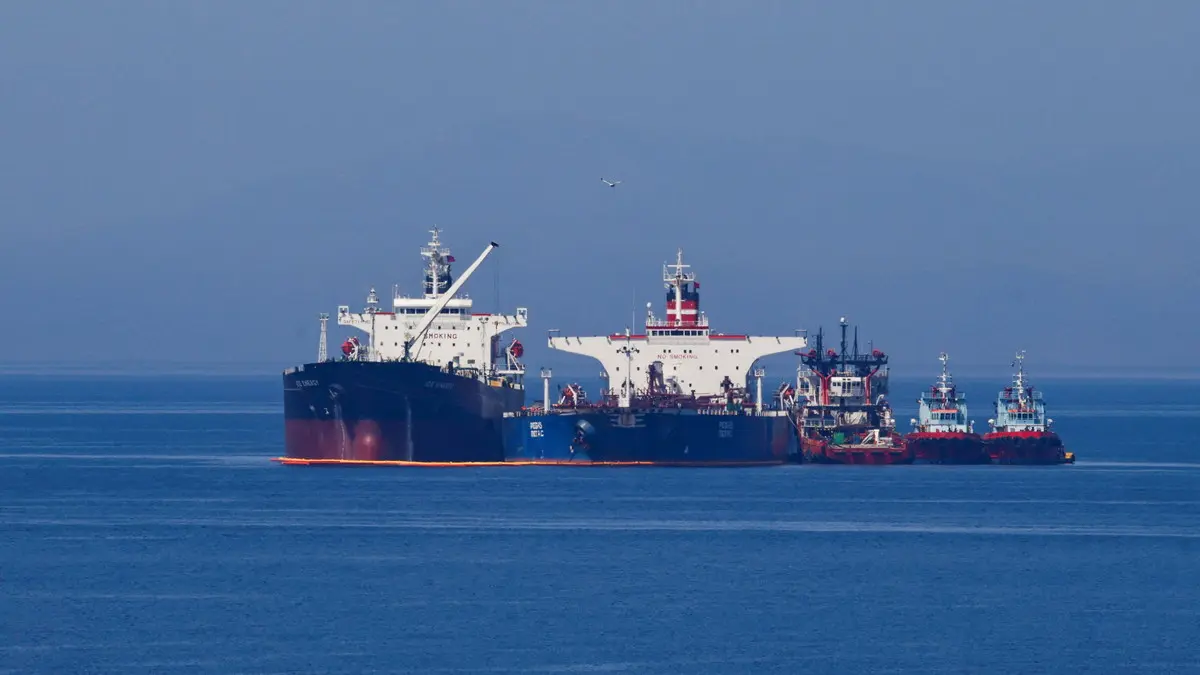
A Russian oil tanker is preparing to deliver its first shipment of crude oil to Cuba since January, which could help alleviate the energy crisis the island is experiencing. The shipment arrives at a critical time as Cuba faces a severe shortage of energy supplies, impacting the daily lives of citizens and the local economy.
This shipment is considered an important step in the economic relations between Russia and Cuba, as Cuba seeks to bolster its energy supplies amid multiple crises. It is expected that this shipment will contribute to improving the energy situation in the country, although challenges remain.
Details of the Event
The Russian tanker, carrying crude oil, is scheduled to arrive at Cuban ports today, Tuesday. This shipment comes at a time when Cuba is suffering from a crippling energy crisis, with increasing instances of power outages across the country, negatively affecting vital sectors such as health, education, and transportation.
The Cuban government is seeking quick solutions to this crisis, and this shipment may represent the beginning of larger efforts to restore stability in energy supplies. Additionally, Cuba relies heavily on imports to meet its energy needs, making it vulnerable to fluctuations in the global market.
Background & Context
Historically, Cuba has relied on oil imported from countries like Venezuela, but with the deterioration of political and economic relations with some of these countries, Cuba has been searching for new alternatives. In recent years, Russia has increased its cooperation with Cuba, particularly in the fields of energy and technology.
The energy crisis in Cuba is not new, but it has worsened in recent years due to economic sanctions, a lack of investments, and reliance on unsustainable energy sources. This situation has prompted the Cuban government to seek new partnerships, including with Russia, to enhance its energy supplies.
Impact & Consequences
If the Russian shipment succeeds in improving the energy situation in Cuba, it could lead to greater stability in the daily lives of citizens, which may positively reflect on the local economy. However, it remains unclear whether this shipment will be sufficient to meet the country's long-term needs.
Moreover, this move could strengthen relations between Russia and Cuba, potentially opening new avenues for cooperation in other areas such as trade and investment. Nevertheless, challenges persist, as Cuba requires significant investments to modernize its energy infrastructure.
Regional Significance
The energy crisis in Cuba serves as an example of the challenges faced by many countries around the world, including some Arab nations. With increasing demand for energy and rising prices, Arab countries find themselves in a position that requires them to consider new strategies to ensure sustainable energy supplies.
Cuba's experience in seeking new partnerships in the energy sector may provide valuable lessons for Arab countries, especially those facing resource shortages or economic challenges. International cooperation in the energy sector could be key to achieving stability and growth in the region.
In conclusion, the Russian shipment to Cuba represents an important step in the context of international relations and highlights the significance of cooperation in addressing energy crises. As Cuba seeks to improve its energy situation, the lessons learned from this experience may be beneficial for many other countries.