Cuba is preparing to welcome a Russian oil tanker subject to US sanctions, with the vessel "Anatoly Kolodkin" expected to arrive at the port of Matanzas in western Cuba on Monday, loaded with approximately 730,000 barrels of crude oil. This step comes at a time when political and economic pressures on Havana have intensified, as former US President Donald Trump stated that "Cuba is next" in the context of US sanctions.
The tanker, which set sail from the Russian port of Primorsk on March 8, was escorted by the Russian Navy during its passage through the English Channel before continuing its journey alone in the Atlantic Ocean. The British Royal Navy monitored the tanker’s movements, sending a frigate to observe it, but did not intercept it, as international law guarantees freedom of navigation even for sanctioned vessels.
Details of the Event
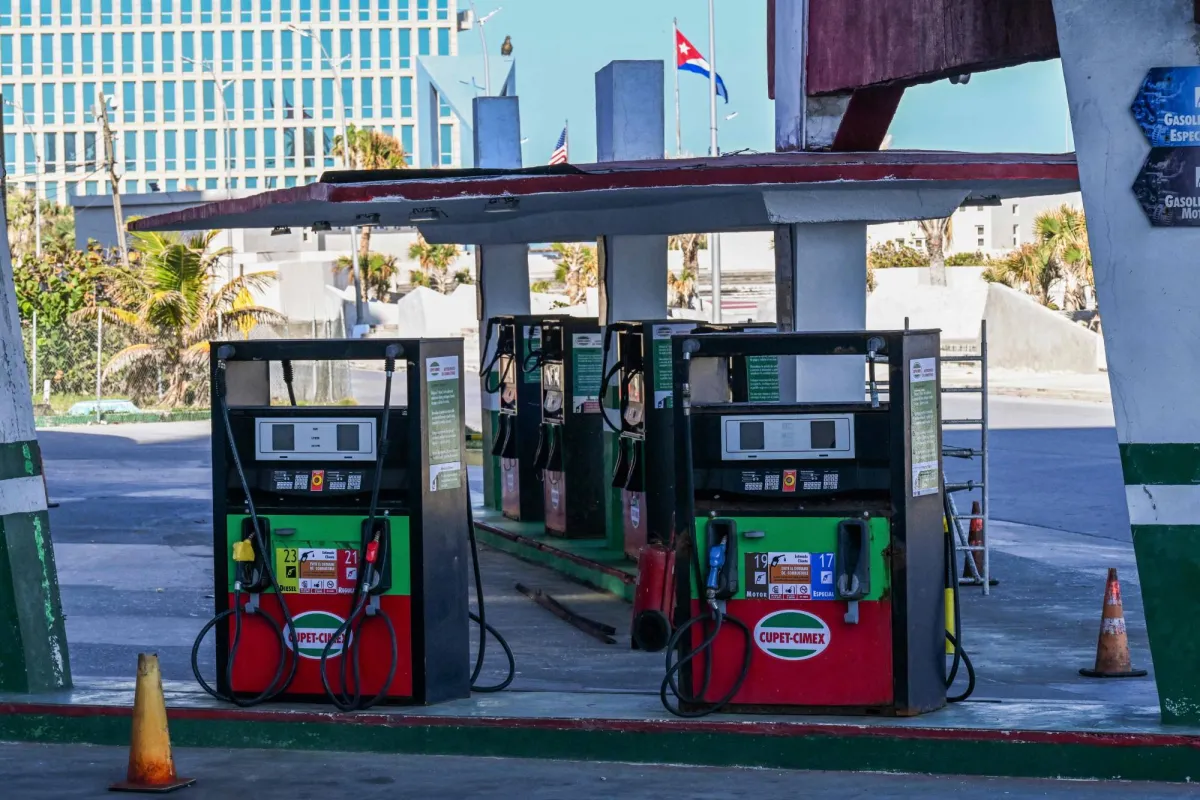
This Russian move comes at a time when Cuba is suffering from a severe economic crisis, as US sanctions imposed since January have choked fuel supplies. The last oil shipment to Cuba arrived on January 9 from Mexico before it was halted under US pressure. Under these circumstances, Cuba is experiencing a severe fuel shortage and power outages that can last up to 20 hours daily.
It is worth noting that Cuba lost one of its major energy suppliers after US forces ousted Venezuelan President Nicolas Maduro, ending a 25-year oil partnership. This situation has forced Cuban authorities to cut services, exacerbating the suffering of citizens.
Background & Context
Historically, Cuba has relied on oil support from Venezuela, but political changes in the region, especially after US sanctions, have led Havana to seek new alternatives. In recent years, relations between Cuba and Russia have strengthened, particularly following the outbreak of the war in Ukraine in 2022, with the Kremlin confirming that it is in talks with Cuba to support it.
These developments come at a sensitive time, as Cuba seeks to secure its energy needs amid increasing pressures from the United States. Cuban President Miguel Díaz-Canel has indicated that any "external aggression" will face "unconquerable resistance," reflecting the potential escalation in relations between Cuba and the United States.
Impact & Consequences
This Russian move is a direct challenge to US sanctions and could escalate tensions in the region. If Cuba successfully imports Russian oil, it may help alleviate economic pressures on the island, but it could provoke negative reactions from Washington.
Moreover, these events could reshape alliances in the region, potentially strengthening Russia's position in Cuba, which may lead to further tensions with the United States. At the same time, this move may encourage other countries to challenge US sanctions.
Regional Significance
The Russian-Cuban relationship exemplifies how international politics affects smaller nations, as these countries seek to secure their needs through new alliances. In the Arab region, these events could serve as a lesson for countries facing similar pressures, prompting them to seek new partnerships to safeguard their interests.
In conclusion, Cuba remains in a precarious position, needing external support to overcome its economic crisis while facing increasing pressures from the United States. All eyes will remain on how events unfold in the coming days.