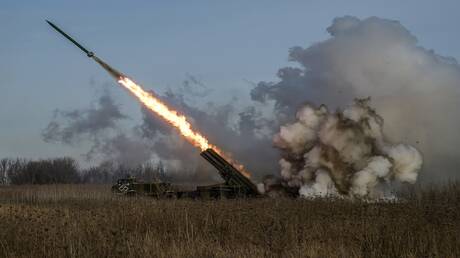
On Thursday, the Russian Ministry of Defense announced airstrikes targeting Ukrainian military facilities, along with critical energy and transport infrastructure. The ministry confirmed that these strikes resulted in damage to one of Ukraine's military industrial institutions, reflecting an escalation of military operations in the region.
As the intensity of the conflict between Russia and Ukraine escalates, these strikes come as a Russian response to increasing military needs, with Moscow seeking to undermine Ukraine's ability to conduct its military operations. The strikes also targeted ports used by Ukrainian forces, complicating the logistical situation for the Ukrainian army.
Details of the Event
Reports indicate that the Russian airstrikes targeted several strategic sites, including energy facilities that are vital for the operation of the Ukrainian army. Transportation sites were also targeted, reflecting a Russian strategy aimed at weakening Ukraine's essential infrastructure.
These operations come at a sensitive time, as Ukraine seeks to bolster its defenses against increasing Russian threats. Ukrainian officials have indicated that these strikes could negatively impact the country's ability to secure energy supplies and logistical resources.
Background & Context
The pace of the conflict between Russia and Ukraine has accelerated since 2014, when Russia annexed Crimea. Since then, the region has witnessed a continuous escalation of hostilities, resulting in thousands of deaths and the displacement of millions. In recent years, tensions have significantly increased, particularly with the growing Western support for Ukraine.
These strikes are part of a broader Russian strategy aimed at regaining influence in the region. The operations have raised concerns within the international community, with many countries calling for a peaceful resolution to the conflict.
Impact & Consequences
The Russian strikes could lead to further escalation in the conflict, as Ukraine may respond with counter-military operations. Additionally, targeting critical infrastructure could affect civilian lives, increasing the suffering of populations in the affected areas.
Moreover, these operations may increase pressure on Western governments to provide more military support to Ukraine, complicating peace efforts. The military escalation could also impact global energy markets, especially if strikes on energy facilities continue.
Regional Significance
The Arab region is indirectly affected by the Russian-Ukrainian conflict, as disruptions in energy markets could lead to rising oil and gas prices. This situation may reflect on the economies of Arab countries, particularly those heavily reliant on oil exports.
Furthermore, the conflict could impact food security in the region, as Ukraine is one of the world's largest grain exporters. Any disruptions in production or transportation could lead to rising food prices in Arab markets.
In conclusion, the ongoing military escalation between Russia and Ukraine raises concerns at both local and international levels. As military pressures continue, hope remains for a peaceful resolution that ends the conflict and restores stability to the region.