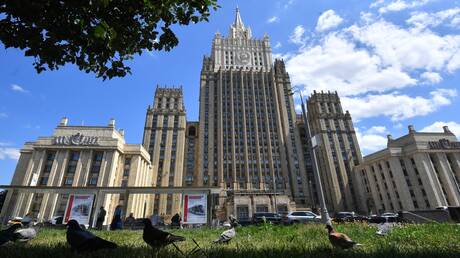
Vladimir Safronkov, Russia's envoy for Middle Eastern affairs, has warned that imposed military solutions in the Gulf region only exacerbate crises. Safronkov confirmed that military escalation will not contribute to stability but will complicate the situation in the region.
His statements come at a time when the Gulf region is witnessing increasing tensions, with the intensity of conflicts between regional countries rising, raising concerns about the implications for regional and international security. He pointed out that peaceful and diplomatic solutions are the only way to achieve stability in the region.
Details of the Event
Fears of military escalation in the Gulf are growing, especially with the increase in military activities by several countries. Recently, the region has witnessed a series of naval skirmishes, in addition to exchanges of accusations between the concerned countries. In this context, Safronkov believes that any attempt to impose military solutions will only exacerbate crises and increase existing tensions.
He also highlighted the importance of dialogue and negotiation as a means to resolve disputes, urging the concerned countries to take serious steps towards achieving peace and stability. He noted that military escalation could lead to counterproductive results and increase instability in a region considered one of the most sensitive in the world.
Context and Background
Historically, the Gulf region has witnessed numerous conflicts and disputes that have had significant implications for regional security. For decades, the area has been a theater for multiple conflicts, ranging from the Iran-Iraq War to the American invasion of Iraq in 2003. These events have left deep scars on the relationships between countries and have exacerbated humanitarian and political crises.
In recent years, tensions between Iran and Arab countries have increased, particularly with the rise of Iranian military activities in the region. Additionally, external interventions, such as the presence of American forces, have complicated the situation further. In this context, Safronkov's warnings highlight the necessity of seeking peaceful solutions instead of relying on military force.
Consequences and Impact
The consequences of military escalation in the Gulf extend beyond regional borders, potentially affecting global security. Any escalation in the region could lead to rising oil prices, impacting the global economy. Moreover, military conflicts could result in a flow of refugees and an increase in humanitarian crises, necessitating an urgent international response.
Furthermore, the continued military escalation may lead to greater divisions among Arab countries, weakening their ability to face common challenges. Under these circumstances, it becomes essential for countries to adopt policies based on dialogue and cooperation rather than military escalation.
Impact on the Arab Region
The situation in the Gulf is part of the larger picture of security in the Arab region. Tensions in the Gulf directly affect neighboring countries and increase security risks. Any escalation could lead to external interventions, further complicating the situation.
In this context, Arab countries must cooperate more to avoid escalation and work towards achieving stability through dialogue and understanding. Strengthening relations among Arab countries can contribute to building a safer and more stable environment.
In conclusion, Safronkov's calls for peaceful solutions remain the most important message in the current circumstances. Military escalation will only lead to more crises, necessitating that all parties work diligently towards achieving peace and stability in the Gulf region.