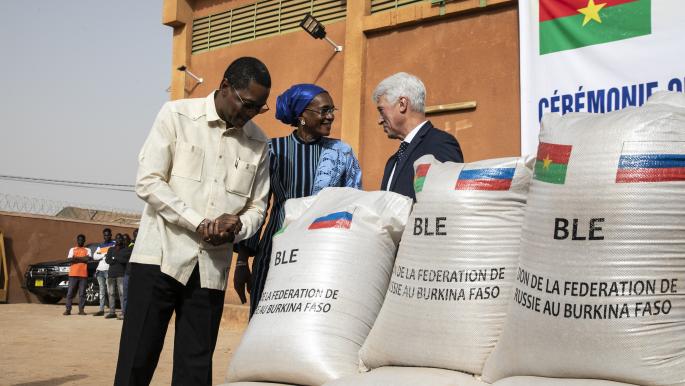
Russian wheat export prices experienced a slight increase last week, attributed by analysts to heightened demand from importers, alongside growing concerns about a new escalation in the Iranian conflict. These developments signal the challenges facing global food markets, which have been significantly impacted by geopolitical crises.
Fears are mounting that any escalation in the Iranian conflict could negatively affect wheat supplies, particularly given the heavy reliance of many countries on Russian exports. Analysts have indicated that these factors may lead to greater price volatility, adversely affecting consumers in global markets.
Details of the Event
Russian wheat prices have risen slightly, with recent data indicating that prices have reached new levels due to increased demand from importing countries. This rise comes at a sensitive time, as tensions in the Middle East are escalating, raising concerns about the stability of food supplies.
Forecasts suggest that demand for Russian wheat may continue to rise, especially from countries facing food supply shortages. Global markets are closely monitoring any new developments in the Iranian conflict, as these developments could directly impact commodity prices.
Background & Context
Historically, Russia has been one of the largest wheat exporters in the world, playing a vital role in securing food supplies for many countries. However, geopolitical crises, such as the Iranian conflict, can lead to significant market fluctuations. In recent years, wheat prices have experienced sharp volatility due to conflicts and disputes in the region, affecting the stability of global markets.
Iran is one of the countries that heavily relies on wheat imports, and any escalation in the conflict could exacerbate food crises in the region. Neighboring countries to Iran may also be affected, complicating the situation further.
Impact & Consequences
The rise in Russian wheat prices could have negative effects on importing countries, as governments may be forced to increase subsidies for essential food items. This situation could place additional pressure on government budgets, particularly in countries experiencing economic crises.
Moreover, rising prices could worsen humanitarian conditions in some countries, where the poor may find themselves unable to afford food. In this context, governments must take urgent measures to mitigate the impact of this increase on citizens.
Regional Significance
Arab countries are among those most affected by fluctuations in wheat prices, as many rely on imports to meet their food needs. Given the current situation, these countries may face significant challenges in securing supplies at reasonable prices.
Additionally, any escalation in the Iranian conflict could impact the stability of the region as a whole, further complicating economic and social conditions. It is crucial for Arab countries to cooperate in addressing these challenges by enhancing food security and developing effective strategies to manage crises.
In conclusion, Russian wheat prices remain under close scrutiny, with analysts expecting continued volatility under the current conditions. Importing countries must be prepared to address these challenges by taking proactive steps to ensure the stability of food markets.