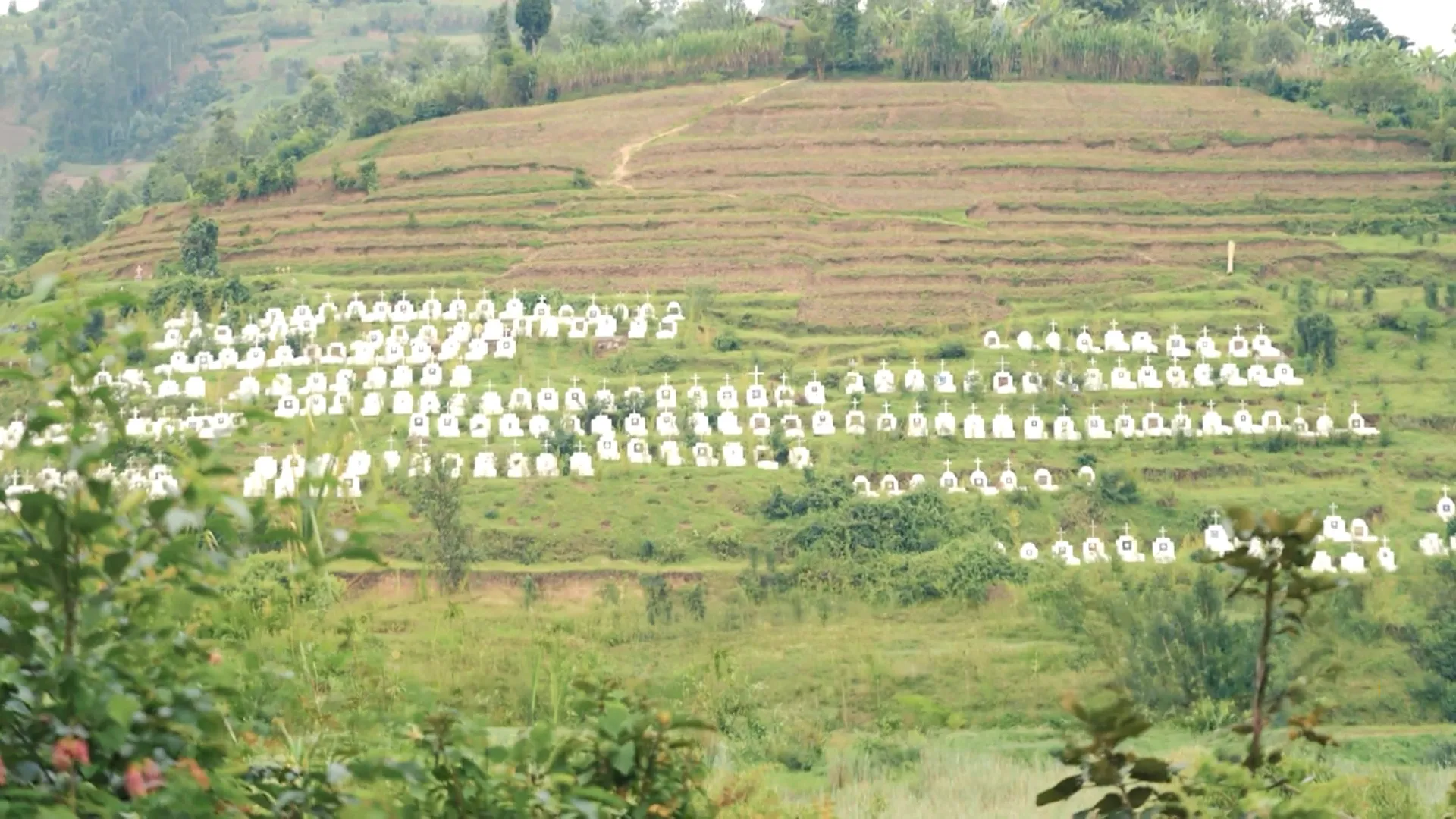
Rwanda is now considered a benchmark for achieving sustainable economic growth, having rebuilt its economy from scratch following the genocide of the 1990s. The country relied on the pillar of transitional justice, transforming past wounds into a source of energy for construction and national unity.
The Rwandan government adopted reconciliatory and judicial mechanisms that contributed to restoring the social fabric, creating a safe and attractive environment for investment. The country has implemented ambitious development strategies, making it one of the fastest-growing economies in Africa.
Event Details
Rwanda aims to achieve its development goals by focusing on innovation and technology. The Rwandan government has invested heavily in infrastructure, which has improved the business environment. Additionally, education and vocational training have been enhanced, contributing to raising human competencies.
Today, Rwanda is one of the leading countries in technology use in Africa, having launched numerous digital initiatives aimed at facilitating business operations and improving public services. This digital transformation has helped attract foreign investments, further boosting economic growth.
Background & Context
Rwanda's history is filled with challenges, having experienced a genocide in 1994 that resulted in the loss of over 800,000 lives. Following this tragedy, the Rwandan government began implementing policies aimed at achieving national reconciliation and building a cohesive society. Emphasis was placed on promoting social justice and providing economic opportunities for all citizens.
Over the years, Rwanda has managed to turn these challenges into opportunities, becoming a model for others worldwide. This success would not have been possible without the commitment of both the government and the people to hard work and cooperation.
Impact & Consequences
Rwanda's success in achieving economic growth has positive implications at both regional and international levels. Today, Rwanda is a preferred destination for investment, enhancing its position in the global economic arena. This success reflects the ability of nations to overcome crises and build a better future.
Moreover, Rwanda's experience inspires many other countries facing similar challenges. By focusing on justice and sustainable development, other nations can learn from this experience and apply it in their own contexts.
Regional Significance
Rwanda's experience offers valuable lessons for Arab countries striving for sustainable development. Arab nations can benefit from Rwanda's strategies in promoting national unity and achieving social justice. Furthermore, focusing on innovation and technology can have a positive impact on the Arab economy.
Given the economic and social challenges faced by many Arab countries, Rwanda's experience can serve as an inspiration for positive change. By enhancing cooperation and investing in education and technology, Arab nations can achieve tangible progress.