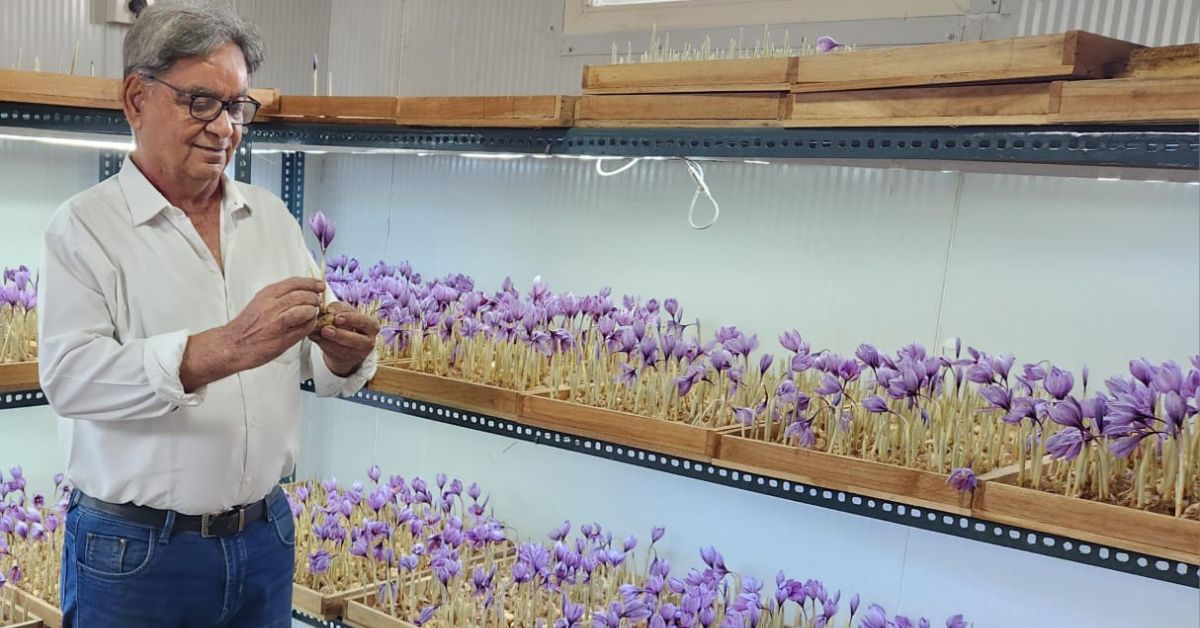
The Saudi Ministry of Environment, Water and Agriculture has announced the launch of a saffron cultivation project in the AlUla region, marking a significant step towards enhancing agricultural diversity in the country. This initiative is part of the Kingdom's Vision 2030, which aims to achieve sustainable development and diversify national income sources.
AlUla is a region rich in natural resources, chosen for saffron cultivation due to its suitable climate and soil conditions. Saffron, known as one of the most expensive spices in the world, is used in various dishes and medicinal preparations, making it a strategic choice for agricultural growth in the Kingdom.
Event Details
The saffron cultivation in AlUla spans extensive areas, with land prepared to meet modern agricultural requirements. Workshops have been organized for local farmers to train them on saffron cultivation techniques and care, contributing to increased productivity levels.
The ministry aims to achieve self-sufficiency in saffron and reduce reliance on imports. This project also opens new horizons for local farmers, allowing them to benefit from the high prices of saffron in global markets.
Background & Context
Historically, agriculture in Saudi Arabia has heavily relied on traditional crops such as wheat and barley. With changing climatic and economic conditions, the focus has shifted towards diversifying agricultural crops to meet local and international market demands. Saffron, cultivated in limited areas worldwide, presents a significant opportunity for the Kingdom to enhance its position in the global agricultural market.
The Saudi government seeks to support new agricultural projects by providing loans and facilities to farmers, reflecting its commitment to achieving food security and developing the local economy.
Impact & Consequences
The saffron cultivation project in AlUla is expected to create new job opportunities for citizens and boost the local economy. Additionally, increased saffron production could improve the quality of agricultural products in the Kingdom, enhancing its reputation as a source of high-quality agricultural goods.
Moreover, this project could attract foreign investments into the agricultural sector, strengthening the Kingdom's competitiveness in global markets.
Regional Significance
The saffron cultivation initiative in AlUla is an important step not only for the Kingdom but for the entire Arab region. This initiative could inspire other countries in the region to adopt similar strategies for diversifying their agricultural crops.
Furthermore, the success of this project may encourage the development of other agricultural projects in various regions of the Kingdom, contributing to enhanced food security in the Arab region.
In conclusion, saffron cultivation in AlUla represents a strategic step towards achieving sustainable agricultural development in the Kingdom, reflecting the government's commitment to enhancing the local economy through innovation and agricultural diversity.