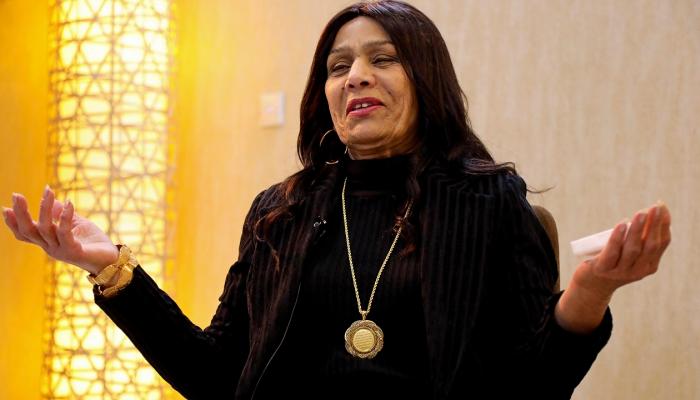
Sajida Obeid, an icon of folk music in Iraq, passed away yesterday at the age of 60 after a long struggle with illness. Her departure represents a significant loss for Iraqi music, as she was considered one of the most prominent artists who enriched the popular artistic heritage.
Born in the city of Al-Kut, Sajida Obeid began her artistic career in the late 1970s and gained widespread fame thanks to her melodious voice and unique style in performing folk songs. She produced many works that were immensely popular in Iraq and the Arab countries, making her a symbol of Iraqi culture.
Details of the Event
Sajida Obeid died in a hospital in the capital, Baghdad, where she was receiving treatment. The news of her death was announced by her family, sparking deep sorrow among her fans and followers. Many artists and media figures mourned her passing, expressing their grief over the loss of one of the most prominent voices in the artistic scene.
Sajida Obeid was known for her songs that reflect Iraqi folk heritage, such as the songs "Ya Habibi" and "Umm Al-Ayoun Al-Sud," which are still heard today. She was considered the voice of the people, as she was able to express the feelings and pains of the people through her art.
Background & Context
Sajida Obeid is part of a generation of artists who contributed to reviving Iraqi folk heritage at a time when the country was facing political and social challenges. Her songs reflected the reality of Iraqi society, making her close to the hearts of the people. She was distinguished by her unique style that combined authenticity and renewal, which made her very popular.
Over the years, Sajida faced many challenges, including the political circumstances that affected art and culture in Iraq. Nevertheless, she continued to produce her artistic works, making her a symbol of resilience and creativity in the face of difficulties.
Impact & Consequences
The passing of Sajida Obeid raises questions about the future of folk music in Iraq, especially in light of the declining interest in traditional art. Her art is considered part of Iraqi cultural identity, and her loss is feared to lead to a decline in this genre of music.
Moreover, her death may open the door for discussions on how to support folk artists in Iraq and ensure the continuity of artistic heritage. It is crucial to preserve and enhance this cultural legacy, especially amidst the challenges facing the arts in the region.
Regional Significance
Sajida Obeid was not just an Iraqi artist; she represented the voice of many Arab women seeking to express themselves through art. Her passing is considered a loss not only for Iraq but for the entire Arab region, as she was seen as a symbol of creativity and artistic expression.
Her influence extends beyond the borders of Iraq, as she was known in many Arab countries and contributed to enhancing Arab popular culture. Her departure is expected to create a void in the artistic scene, highlighting the need to support new artists to preserve this heritage.
In conclusion, Sajida Obeid remains in the memories of her fans as one of the most prominent symbols of folk music, and her songs will continue to live in the hearts of the people, reflecting their feelings and hopes.