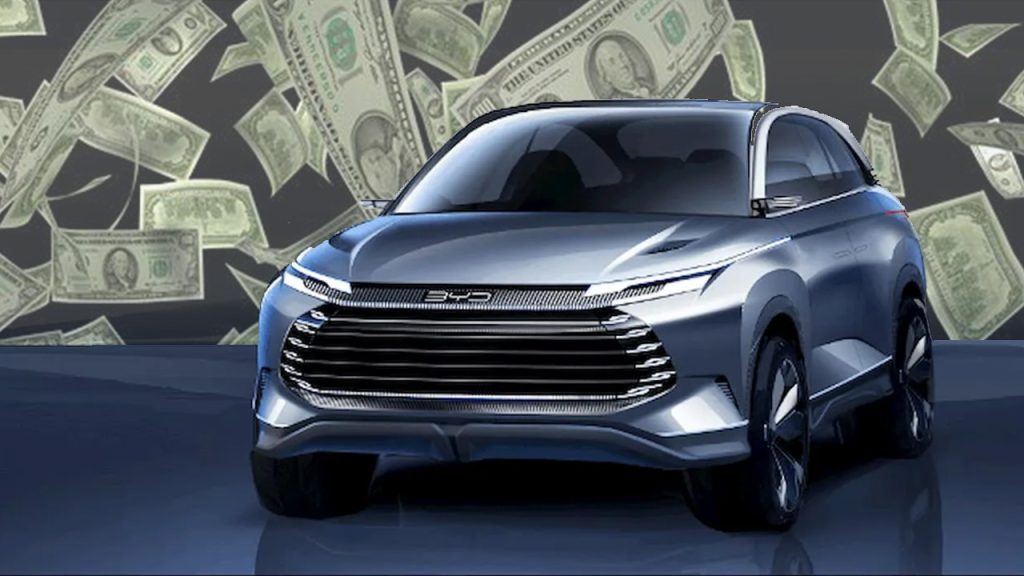
Chinese electric vehicle manufacturer BYD is facing a persistent decline in its sales for the seventh consecutive month, with reports indicating that its sales dropped by 20.5% in March 2023 compared to the same month last year, reaching 300,222 units. This decline comes at a time when the company is grappling with increasing competitive pressures in the world's largest automotive market.
Although the decline in March was less severe compared to February, when the company recorded a drop of 41.1%, the figures still reflect significant challenges faced by BYD amid fierce competition from other companies, including both domestic and international firms seeking to capture a larger market share.
Sales Performance Overview
According to calculations by Reuters, BYD's sales in the first quarter of the year fell by 30% compared to the same period last year. This ongoing decline raises concerns about the company's ability to maintain its position in the rapidly growing electric vehicle market, which is experiencing swift changes in consumer preferences.
BYD is considered one of the largest manufacturers of electric vehicles in China and has achieved significant success in recent years. However, with more companies entering the market, including global giants like Tesla, BYD faces new challenges that require it to innovate and improve its marketing strategies.
Background & Context
Founded in 1995, BYD originally started as a battery manufacturer before expanding into the automotive industry. Since then, it has become one of the leading companies in the electric vehicle sector, striving to meet the growing demand for sustainable transportation. However, the Chinese electric vehicle market is witnessing increasing competition, with a growing number of companies offering new and innovative models.
In recent years, China has seen a significant shift towards electric vehicles, supported by government policies encouraging the use of clean energy. However, this shift comes with challenges, as companies like BYD must adapt to rapid changes in the market.
Impact & Consequences
The decline in BYD's sales is indicative of the challenges faced by electric vehicle manufacturers amid increasing competition. This drop could impact the company's future investments, prompting it to reassess its marketing and production strategies.
Moreover, this decline may affect investor confidence in the Chinese electric vehicle market, potentially leading to fluctuations in prices and financial markets. Companies that cannot adapt to the rapid changes in the market may find themselves in a difficult position.
Regional Significance
The electric vehicle industry is also a vital topic in the Arab region, where many countries are striving to promote the use of clean energy and reduce reliance on fossil fuels. The decline in BYD's sales may serve as a lesson for Arab companies looking to enter this market, as they must be prepared to face competitive challenges.
Additionally, Arab companies collaborating with Chinese firms in the electric vehicle sector may need to reevaluate their partnerships and strategies to ensure success in this changing market.