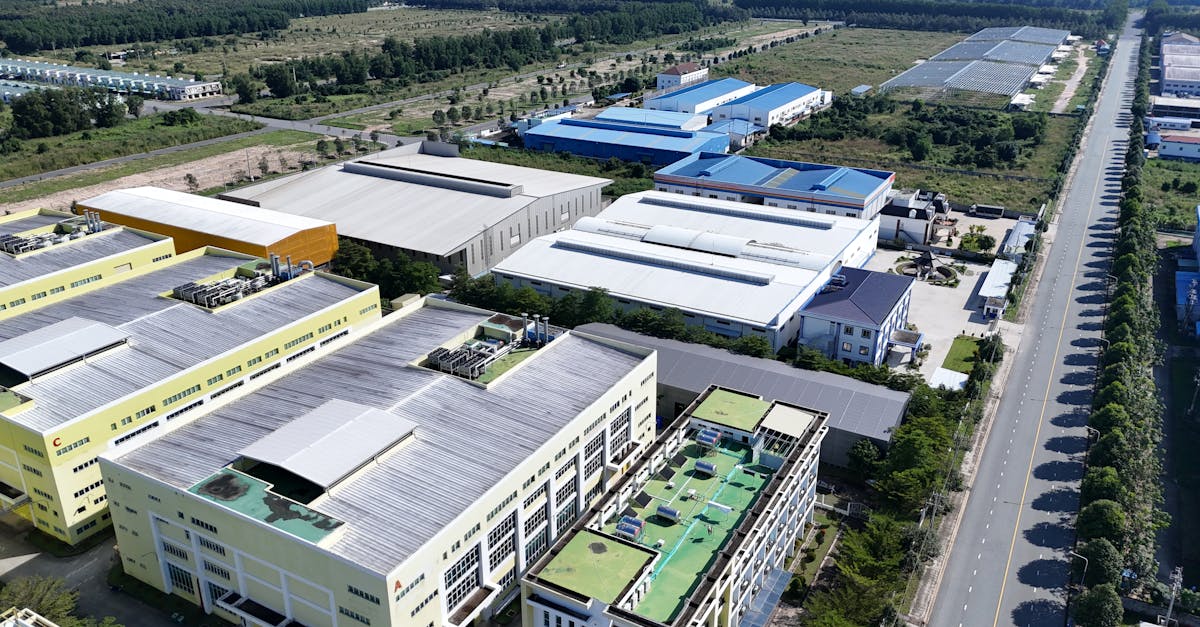
Samsung, the South Korean tech giant, has announced its investment of $1.5 billion, equivalent to approximately 26.8 trillion VND, to construct a semiconductor testing factory in Vietnam. This decision comes in light of the increasing demand for memory chips used in artificial intelligence applications, reflecting the significance of this sector in the global economy.
The necessary documents for obtaining environmental permits from the Vietnamese government were submitted last month, marking this factory as Samsung's first of its kind in Vietnam. The factory will be located in an industrial zone in Thai Nguyen province, about 60 kilometers north of the capital, Hanoi. Work on the project has already begun, with over 200 employees on-site since last month.
Details of the Project
The factory will be dedicated to semiconductor testing operations, which is the final stage of chip manufacturing where defects are checked before shipping after assembly and packaging processes. The annual production capacity of the factory is expected to reach 153.3 billion gigabytes for DRAM chips and 255.6 billion gigabytes for NAND memory chips.
Although the factory will focus on producing traditional semiconductor chips, the demand for these types of chips has surged due to the increasing needs of major companies concentrating on AI chip production. Samsung received approval from the Vietnamese government for this investment in March 2026, with the potential to increase the total investment to $2.5 billion if the second phase of the project is implemented.
Background & Context
Samsung is considered one of the largest foreign investors in Vietnam, having invested over $23 billion over the past decades in developing multiple facilities in the country. This new factory is part of the company's strategy to enhance its presence in the Vietnamese market, which has become a key hub in the global semiconductor industry.
Vietnam enjoys a strategic position in the global supply chain, hosting numerous multinational companies such as Intel and Amkor Technology, making it an important center for chip assembly, packaging, and testing.
Impact & Consequences
This move by Samsung demonstrates a global trend towards enhancing semiconductor production capabilities, especially amidst the global shortage of memory chips. The rising demand for AI chips may lead to increased prices and affect other industries such as smartphones and computers.
The new factory is expected to improve Samsung's ability to meet market needs, potentially strengthening its position in global competition. Additionally, this investment could contribute to creating new job opportunities in Vietnam, boosting the local economy.
Regional Significance
This step by Samsung is significant for Arab countries, as it could lead to increased cooperation in technology and innovation. With the growing reliance on artificial intelligence and modern technology, Arab nations may need to enhance their capabilities in this field.
Moreover, investment in the semiconductor sector could open new avenues for collaboration between Arab companies and global firms, contributing to the development of technological industries in the region.