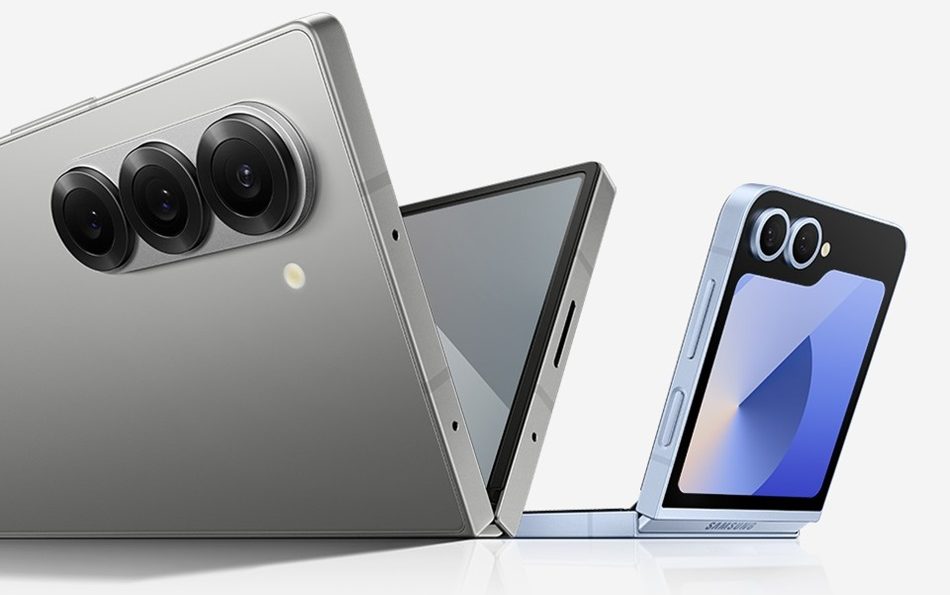
Reports have emerged that South Korean company Samsung is considering raising the prices of its flagship smartphones, including the Galaxy Z Fold7, Galaxy Z Flip7, and Galaxy S25 Edge. This price increase is expected to take effect starting April 1 in the South Korean market.
According to local sources, the potential price increase will affect the models with 512GB storage, with prices expected to rise by approximately 100,000 won (equivalent to about 1.1 million Indonesian rupiah). For the models with 1TB storage, the increase could reach 200,000 won (around 2.2 million Indonesian rupiah).
Details of the Price Increase
This news comes at a time when the smartphone market is experiencing intense competition, as major companies like Samsung strive to enhance their market position by offering innovative products. However, price increases are not new for Samsung, as previous releases of its smartphones have also seen price hikes.
For instance, the Galaxy S26 series was launched earlier this year at higher prices in some markets, indicating the company's trend towards raising prices amid rising production and development costs.
Background & Context
Founded in 1938, Samsung has since become one of the largest technology companies in the world. The company entered the smartphone market in 2009 and achieved significant success due to its innovations in smartphone design. However, global economic challenges, including rising raw material costs, may impact the company's pricing strategies.
In recent years, Samsung has faced increased competition from companies like Apple and Huawei, prompting it to improve its products and occasionally raise prices to meet consumer expectations.
Impact & Consequences
This price increase is expected to affect Samsung's sales in the South Korean market, as some consumers may hesitate to purchase new phones due to the higher prices. However, the company may continue to attract customers by offering new features and innovative technologies.
Moreover, this increase could lead to negative effects on the market overall, as other companies may be forced to reassess their pricing strategies to face new challenges.
Regional Significance
In the Arab region, the increase in Samsung's phone prices may affect consumer choices, especially given the current economic conditions. With the rising demand for smartphones, consumers may find it challenging to afford new phones, potentially driving them to seek more affordable alternatives.
In conclusion, Samsung remains one of the leading companies in the smartphone market, but economic challenges and the potential price increase may impact its strategies in the future.