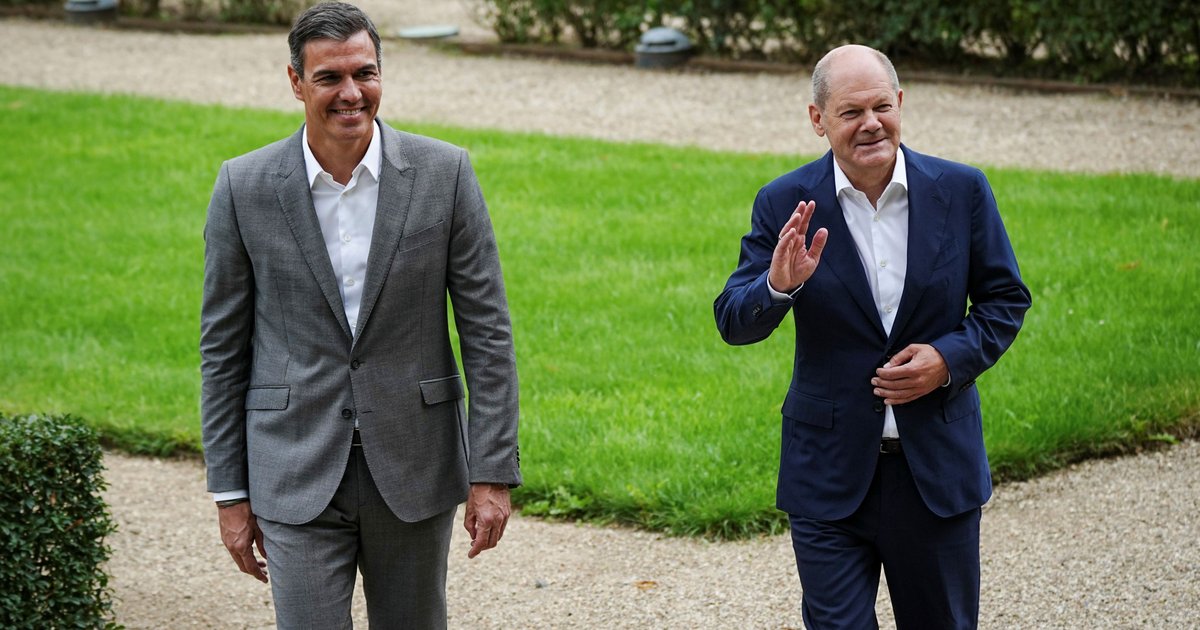
Spanish Prime Minister Pedro Sanchez has avoided responding to calls from German Chancellor Olaf Merz, raising questions about the nature of relations between Berlin and Madrid. This development comes after Merz's silence regarding remarks made by former U.S. President Donald Trump, which publicly criticized Spain, exacerbating tensions between the two parties.
While Trump was directing harsh criticisms at Spain, Merz chose not to comment or respond, which may have affected the relationship between him and Sanchez. It appears that Sanchez has made a decision to avoid communication with Merz, raising questions about whether this step reflects a genuine diplomatic crisis or is part of a broader political game.
Details of the Incident
Concerns are growing that relations between Germany and Spain may experience further strain, especially given the current political climate in Europe. Merz, who took office as Chancellor in December 2021, is a prominent figure in German politics and has shown interest in strengthening ties with other European countries, including Spain. However, his stance on Trump's remarks has unexpectedly impacted these relations.
On the other hand, Sanchez has been the Prime Minister of Spain since June 2018 and has faced numerous challenges in both domestic and foreign policy. His disregard for Merz's calls may be a clear message regarding his dissatisfaction with the German stance on Trump's comments, reflecting discontent with how Berlin has handled sensitive issues.
Background & Context
Historically, German-Spanish relations have been strong, with cooperation in various fields, including economy and security. However, political statements from leaders of major countries, such as the United States, can significantly affect bilateral relations. In recent years, Europe has witnessed numerous political changes, leading to new challenges that require close cooperation among nations.
Trump's remarks about Spain are not new; they have been part of his political strategy aimed at bolstering his position domestically in the U.S. However, the impact of these statements on international relations may have far-reaching consequences, especially given the current circumstances in Europe.
Impact & Consequences
This potential diplomatic crisis between Berlin and Madrid could lead to negative effects on cooperation between the two countries in various areas, including trade and security. Additionally, Sanchez's disregard for Merz's calls may open the door to greater tensions in the future, reflecting instability in European relations.
Moreover, these events could affect Spain's position within the European Union, where it needs the support of major countries like Germany to strengthen its stance on European issues. This situation may lead to a reevaluation of relations among EU member states, potentially creating new divisions.
Regional Significance
As Arab countries monitor these developments, the relations between European nations directly impact foreign policy towards the region. Tensions between Berlin and Madrid could lead to changes in European policies regarding Arab issues, especially amid ongoing crises in the Middle East.
Furthermore, economic relations between Arab countries and Europe heavily rely on cooperation among major nations. Therefore, any strain in relations between Germany and Spain could affect investments and trade with Arab nations, necessitating close observation by decision-makers in the region.
In conclusion, relations between Berlin and Madrid remain under scrutiny, as leaders in both countries must carefully consider their next steps, especially in light of the changing political conditions in Europe.