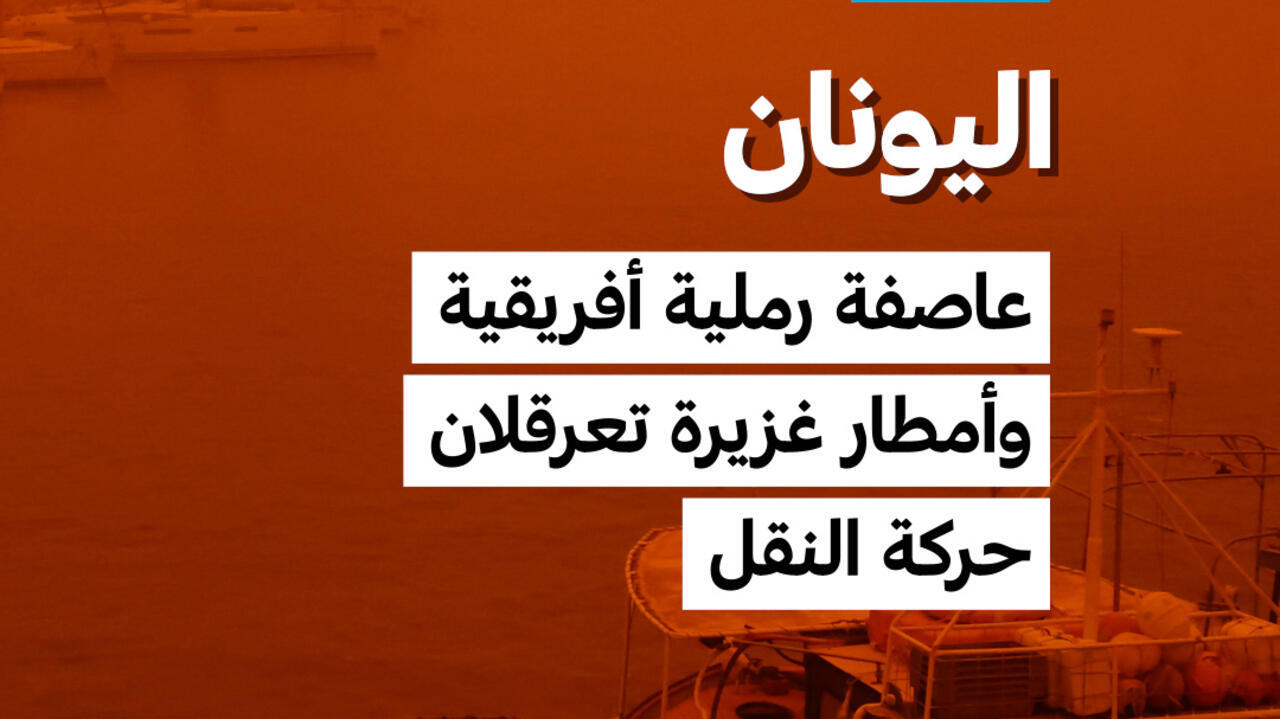
A sandstorm coming from Africa on Wednesday paralyzed transportation in Greece, causing flight cancellations to the island of Crete. The storm, which struck the mainland, severely impacted both air and maritime navigation, leaving most ferries stuck in the harbor.
Greece, one of the world's most popular tourist destinations, is experiencing negative effects on its tourism sector due to these harsh weather conditions. Many tourists who planned to travel to Crete found themselves stranded, raising concerns about their future travel plans.
Details of the Event
The sandstorm that swept through Greece was the result of unstable weather conditions in the Mediterranean region. Reports indicate that the storm caused visibility to drop to dangerous levels, leading to the cancellation of numerous flights. Maritime transport was also affected, as ferries were unable to sail due to strong winds and limited visibility.
The Greek authorities issued warnings to both residents and tourists, urging them to take necessary precautions. Several major roads in the country were closed, complicating traffic further.
Background & Context
Sandstorms are a natural phenomenon that occurs in certain areas of the world, often resulting from changes in atmospheric pressure and winds. In recent years, the Mediterranean region has seen an increase in the frequency of these phenomena, raising concerns about the impacts of climate change.
Greece, which heavily relies on tourism, may face greater challenges if these phenomena continue to rise. While sandstorms are not new to the region, their increasing frequency could affect the country's reputation as a safe tourist destination.
Impact & Consequences
Sandstorms affect many sectors, including tourism and transportation. Disruptions to air and maritime travel can lead to significant economic losses, as many locals depend on tourism as their primary source of income.
Moreover, these weather conditions can lead to respiratory illnesses among the population, as dust and sand can be harmful to health. Therefore, it is crucial for authorities to take necessary measures to protect citizens and visitors.
Regional Significance
Sandstorms are part of the climate in many Arab countries, where some areas experience such phenomena frequently. Thus, what is happening in Greece may resonate in other countries, as climate changes can affect weather patterns in the region.
These challenges require international cooperation to address the effects of climate change, as sandstorms are not just a local problem but a global issue that demands a collective response.
In conclusion, the sandstorm that struck Greece highlights the importance of preparedness for climate changes and their potential impacts on daily life and the economy. Countries must collaborate to develop effective strategies to adapt to these challenges.